
This article is for informational purposes only. It should not be considered medical advice. Please speak with your doctor before making decisions about your health.
Introduction
Hormonal balance is the foundation of women’s health. One of the key hormones in the female body is progesterone. It not only affects fertility and the course of pregnancy but also regulates the menstrual cycle, mood, metabolism, and skin condition. That’s why it’s important to understand it better — to notice changes in its levels in time and respond appropriately.
What Is Progesterone?
Progesterone is a steroid hormone produced by the ovaries after ovulation, by the placenta during pregnancy, and in smaller amounts by the adrenal glands. It prepares the body for embryo implantation, supports pregnancy, and balances the effects of estrogen.
Key Facts About Progesterone
| Parameter | Description |
|---|---|
| What does progesterone do? | Prepares the endometrium for implantation, supports pregnancy |
| Effects on the body | Regulates the menstrual cycle, influences mood, sleep, and metabolism |
| Functions of progesterone | Reduces uterine contractions, lowers the tone of all smooth muscles (e.g., blood vessels), helps form the cervical mucus plug |
| Estrogen and progesterone | Progesterone suppresses excessive estrogen activity to prevent endometrial hyperplasia (excess tissue growth). Estrogen, in turn, activates progesterone receptors, making tissues more sensitive to it. |
| Immune role | During pregnancy, progesterone helps suppress immune system activity so the body does not reject the embryo (which contains foreign paternal genes). This promotes immune tolerance but makes the woman slightly more vulnerable to infections at certain times. |
How to Check Your Progesterone Levels?
The most common way to check your progesterone levels is through a blood test, usually done on day 21 of your menstrual cycle (or 7 days after ovulation).
This test helps determine whether ovulation has occurred, how well the corpus luteum is functioning, and whether your hormone levels are within a healthy range.
However, traditional blood tests provide only a single snapshot and require clinic visits, timing, and sometimes multiple rounds of testing. That’s where modern hormone tracking technologies come in.
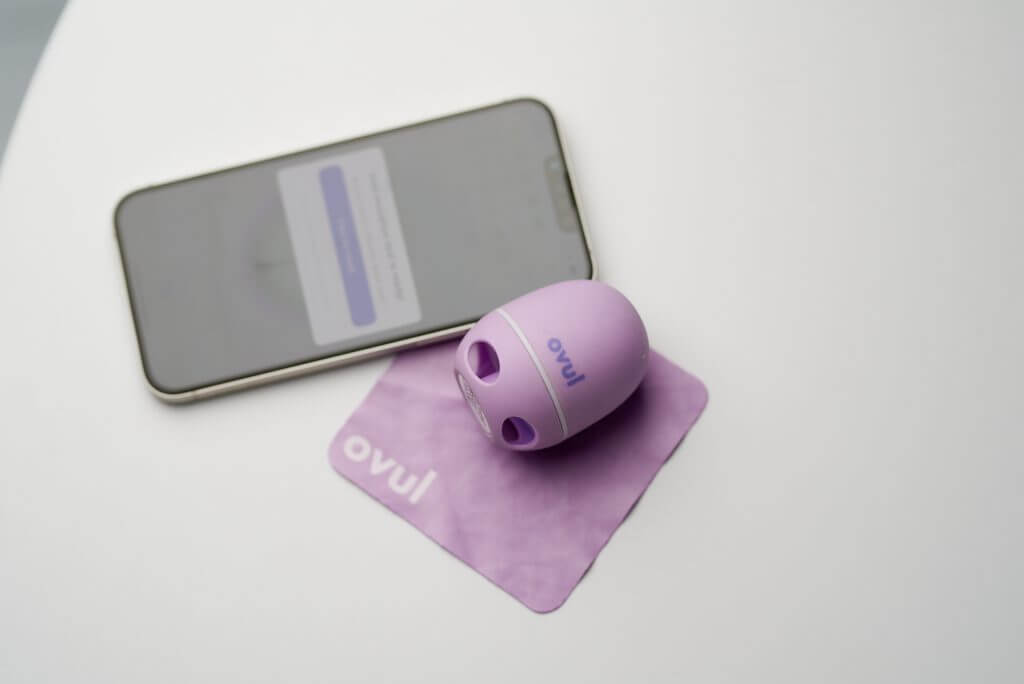
Ovul offers a non-invasive, at-home solution to monitor hormone patterns — including estrogen trends — using just a drop of saliva and AI-powered analysis. While it doesn’t measure exact progesterone levels like a blood test, Ovul helps detect hormonal shifts throughout your cycle, providing insights into ovulation timing, luteal phase patterns, and overall hormonal balance.
By tracking your personal trends over time, Ovul can help you take action earlier — whether that’s adjusting your lifestyle or consulting a doctor for further testing.
Ovul is especially useful for women with irregular cycles, PCOS, or those trying to conceive. It brings hormone awareness into your daily routine — without needles, lab visits, or stress.

AI Fertility Tracker — Your Hormone & Ovulation Monitor (1-Year Access)
Science + convenience = daily insights to support your fertility journey.
Activate My Yearly PlanProgesterone Levels in Women
Progesterone levels in the female body are not constant — they vary depending on age, phase of the menstrual cycle, pregnancy, and overall health. Understanding the normal range of progesterone helps identify abnormalities early and prevent serious health issues.Normal Progesterone Levels by Age
Hormone concentration shifts throughout a woman’s life:| Age Group | Normal Progesterone (ng/mL) |
|---|---|
| Before puberty | < 0.5 |
| Reproductive age | Varies by cycle phase (see below) |
| Menopause | < 0.2 – 1.0 |
Progesterone Levels During the Menstrual Cycle
The menstrual cycle consists of three main phases, each with its own typical progesterone levels:| Cycle Phase | Progesterone Range (ng/mL) | Physiological Role |
|---|---|---|
| Follicular Phase | ~0.1 – 0.7 | Low levels; ovulation preparation |
| Ovulatory Phase | ~0.5 – 3.0 | Slight rise during LH surge; egg is released |
| Luteal Phase | ~5.0 – 20.0 (peak ~7–10 days after ovulation) | Corpus luteum secretes progesterone to support implantation |
Elevated Progesterone in Women
Progesterone is a vital hormone, but both its deficiency and excess can lead to serious health issues. Elevated progesterone is actually less common than low levels, yet it can still negatively impact well-being, the menstrual cycle, fertility, and overall hormonal balance.Symptoms of High Progesterone
How can you tell if your progesterone levels are too high? Elevated progesterone doesn’t always present clear symptoms, but the body may give off warning signs such as:- Drowsiness and fatigue – progesterone has a sedative effect, making you feel sleepy or sluggish;
- Headaches or migraines – due to potential blood vessel constriction caused by excess progesterone;
- Reduced libido – hormonal imbalance may lower sexual desire;
- Skin problems – such as oily skin, acne, or breakouts, especially in the second half of the cycle;
- Emotional instability – mood swings, irritability, or increased tearfulness;
- Swelling (edema) – due to fluid retention in tissues;
- Irregular menstrual cycles – periods may become inconsistent or disappear altogether;
- Weight gain – especially from water retention and changes in appetite;
- Difficulty concentrating – often described as "brain fog" or trouble focusing.
Causes of Elevated Progesterone
Why might progesterone levels be higher than normal? There are several natural and pathological reasons:- Pregnancy – the most physiological cause, as progesterone rises sharply to support gestation;
- Corpus luteum cyst – a benign ovarian formation that may temporarily raise progesterone levels;
- Hormonal medications – especially those containing progestins (synthetic progesterone-like substances);
- Adrenal or ovarian tumors – may lead to excessive progesterone production;
- Thyroid dysfunction – particularly hypothyroidism, which disrupts the entire endocrine system;
- Excess body weight – since adipose tissue can influence hormone synthesis;
- Chronic stress and poor sleep – activate the adrenal glands and may affect progesterone levels;
- Perimenopause – during hormonal shifts, progesterone surges may occur irregularly.
How to Normalize Elevated Progesterone
High progesterone levels don’t always require treatment — the approach depends on the underlying cause. For example, elevated progesterone during pregnancy is completely normal and necessary. However, if levels are abnormally high without pregnancy or accompanied by unpleasant symptoms, it’s essential to monitor hormonal balance and, if needed, take corrective action under medical guidance. If a high progesterone level is confirmed, a doctor will determine an individualized approach to restoring hormonal balance. Key methods may include:- Medication — prescribed for tumors, cysts, or if hormone levels are affected by certain drugs;
- Weight management — excess body weight can trigger hormonal fluctuations. It’s recommended to reduce fatty and sugary foods while increasing fiber, leafy greens, and vegetables in the diet;
- Regular physical activity — supports metabolic health and helps regulate hormones;
- Stress reduction — chronic stress stimulates the adrenal glands, potentially increasing progesterone production. Practices such as yoga, meditation, and quality sleep are essential;
- Vitamins and micronutrients — such as B6, C, E, magnesium, and zinc, which help maintain hormonal balance. These can be included in a revised diet or taken as supplements.
⚠️ Important: Avoid self-diagnosis and self-medication. The hormonal system is highly sensitive, and incorrect interventions can worsen the condition.
Low Progesterone in Women
Progesterone is one of the key hormones in a woman’s body, especially during the second half of the menstrual cycle. Its primary function is to prepare the endometrium for embryo implantation and support pregnancy. However, even outside of pregnancy, progesterone affects mood, skin condition, sleep, and reproductive health. That’s why progesterone deficiency can lead to serious consequences — from emotional instability to difficulty conceiving.Symptoms of Progesterone Deficiency
Low progesterone levels typically manifest in the second half of the menstrual cycle and are often mistaken for PMS or other hormonal disorders. Common signs of progesterone deficiency include:- Irregular cycles or a short luteal phase
- Spotting between periods
- Difficulty conceiving or early miscarriages
- Increased anxiety, irritability, low mood or depression
- Insomnia or poor-quality sleep
- Headaches, decreased focus
- Low libido
- Dry skin, hair loss or brittleness
- Oily skin, acne (especially on the chin)
- Swelling, especially before menstruation
Causes of Low Progesterone
Low progesterone can be a temporary condition or a chronic issue. Potential causes include:- Lack of ovulation (anovulation) — the most common cause, as progesterone is produced after egg release
- Chronic stress — stimulates adrenal glands and suppresses ovulation and progesterone production
- Polycystic ovary syndrome (PCOS) — often associated with ovulatory dysfunction
- Thyroid disorders, particularly hypothyroidism
- Low cholesterol levels — since cholesterol is the building block of progesterone
- Age — ovulation becomes less frequent after age 35–40
- Excessive physical activity, exhaustion
- Certain medications, such as hormonal contraceptives
How to Increase Progesterone Levels
Correcting low progesterone begins with a comprehensive medical evaluation and identifying the underlying cause. Common strategies to boost progesterone levels include:- Prescribed medications — natural or synthetic progesterone in pills, capsules, or vaginal forms
- Lifestyle changes — sufficient sleep, moderate physical activity, stress reduction
- Balanced nutrition — including healthy fats, proteins, magnesium, and vitamins B6, C, and E
- Thyroid health — testing and treating hypothyroidism if necessary
⚠️ Important: Even a mild progesterone deficiency can interfere with conception. If you experience typical symptoms or are planning to become pregnant, consult a gynecologist or fertility specialist.
Progesterone During Pregnancy
Progesterone is essential for successful conception, implantation, and fetal development. Its levels rise significantly from the early weeks of pregnancy, creating the optimal environment for embryo implantation and sustaining early pregnancy. In the first trimester, progesterone is produced by the corpus luteum in the ovary. It relaxes uterine muscles to prevent premature contractions, regulates blood pressure to improve uterine and placental blood flow, supports placental development, and modulates the immune system to prevent rejection of the embryo. By the second trimester, the placenta takes over hormone production. Progesterone not only maintains the uterine environment but also positively affects the pregnant woman’s mental state — reducing anxiety, improving sleep, and promoting emotional stability. Low progesterone during pregnancy may be associated with a risk of miscarriage or fetal development delays. In such cases, doctors may prescribe progesterone therapy (pills, capsules, or vaginal suppositories).Progesterone During Menopause
During menopause, a woman’s reproductive function gradually declines, leading to a decrease in sex hormones, including progesterone. In perimenopause (the transitional phase), progesterone levels begin to fluctuate — some cycles still involve ovulation, others do not. This hormonal imbalance can cause:- Irregular periods
- Mood swings
- Sleep disturbances
- Anxiety
- Breast tenderness
- Fluid retention
⚠️ Important: Hormone therapy should only be prescribed after thorough evaluation and consultation with a gynecologist or endocrinologist, as it may have risks and contraindications.
Questions and Answers
Which foods are high in progesterone?
Foods do not contain progesterone itself. However, since cholesterol is the precursor for all steroid hormones (including progesterone), healthy sources of saturated fats (in moderation) and monounsaturated fats can support its production.
It’s important to understand that diet alone cannot normalize progesterone levels. You should consult a doctor for proper evaluation and treatment. A balanced diet rich in healthy fats, protein, complex carbohydrates, fiber, vitamins, and minerals can create a supportive environment for natural hormone production. Still, in cases of confirmed deficiency, medical treatment may be necessary.
What complications can arise from high progesterone levels?
Menstrual irregularities, fluid retention (edema), hormone-related growths, infertility, or difficulty conceiving.
Is it possible to get pregnant with high progesterone levels?
Yes, pregnancy is possible if ovulation occurs. However, excessively high progesterone levels may indicate hormonal imbalance or ovarian dysfunction. It’s advisable to undergo medical evaluation before trying to conceive.

Your Smart Fertility & Ovulation Monitor
One year of AI-powered cycle tracking & hormone feedback.
Start Shopping Now