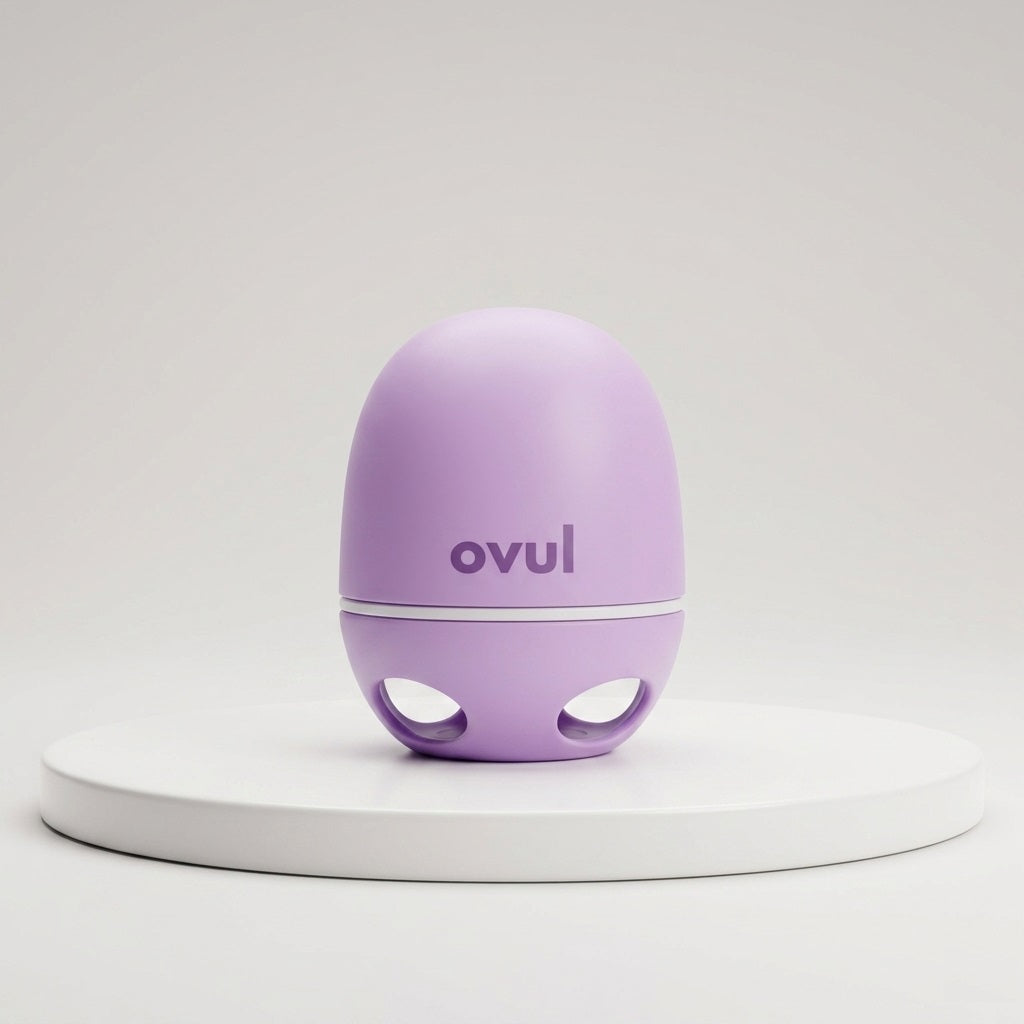
Fertility 101
Check your fertility naturally — and actually understand it.
Fertility refers to a woman's natural ability to conceive. It depends on the healthy functioning of the ovaries, regular menstrual cycles, open fallopian tubes, and a well-functioning uterus.
A fertility test helps identify why conception may not be happening as expected. Specialists usually recommend a fertility check-up if pregnancy does not occur after one year of regular, unprotected intercourse. These tests to check fertility reveal possible causes of reduced fertility and help doctors choose the most effective treatment or support plan to improve reproductive health.
HSA/FSA eligible · 6-month money-back on the device
What Is a Fertility Test and How Does Female Fertility Work?
Fertility is a woman's ability to conceive, carry, and give birth to a child. It depends on the proper functioning of the reproductive system, balanced hormone levels, open fallopian tubes, and egg quality.
Fertility is usually highest between the ages of 20 and 30, gradually declining after 35. Yet, with modern diagnostic tools and personalized care, many women maintain healthy fertility even later in life.
What Is a Fertility Test?
Healthcare providers use fertility tests for women to find out why conception may not be happening as expected. Fertility experts recommend testing if:
- You're under 35 and haven't conceived after one year of unprotected sex.
- You're over 35 and haven't conceived after six months.
- You have irregular or long cycles (more than 35 days apart).
There are many types of tests to check fertility in women. At-home options, such as the Ovul fertility test, can help track ovulation and identify your most fertile days naturally. Clinical tests may include fertility hormone testing, ovarian reserve evaluation, and ultrasound of the uterus and fallopian tubes.
To choose the right fertility test for women, your doctor will review your menstrual history, previous pregnancies, health background, medications, and lifestyle factors before recommending the best diagnostic plan.
The Fertile Window and Ovulation
The fertile window is the part of the menstrual cycle when the chances of conception are highest — several days before and during ovulation. At this time, the egg is ready for fertilization, and sperm can survive for up to five days.
Cycle-Based Examples
| Cycle length | Fertile days |
|---|---|
| 28-day cycle | Days 10–16 |
| 24-day cycle | Days 6–12 |
| 35-day cycle | Days 14–20 |
How to Identify Fertile Days
Common methods include:
- Calendar method: counting days based on your cycle.
- Ovulation test for fertility: detects the LH surge in urine.
- Basal body temperature: slight rise indicates ovulation.
- Smart fertility devices: like Ovul, which analyze hormonal changes through saliva using AI to show your fertile window naturally and precisely.
Tracking your cycle helps you understand your fertility patterns, plan pregnancy, or use natural contraception effectively.
Note: After IUD removal, fertility usually returns quickly — conception can occur in the next cycle.
HSA/FSA eligible
What shapes fertility
Key Factors That Influence Female Fertility
Female fertility is a complex process regulated by hormones and the health of the reproductive organs. The main factors include:
The number of eggs gradually decreases with age.
Regular release of a mature egg is essential for conception.
Estrogen, progesterone, FSH, and LH control ovulation and influence fertility.
They must be open and healthy for fertilization and embryo implantation.
Chronic stress, smoking, poor diet, or exposure to toxins can reduce fertility.
Saliva ferning, AI-powered
How Does the Ovul Fertility Test Work?
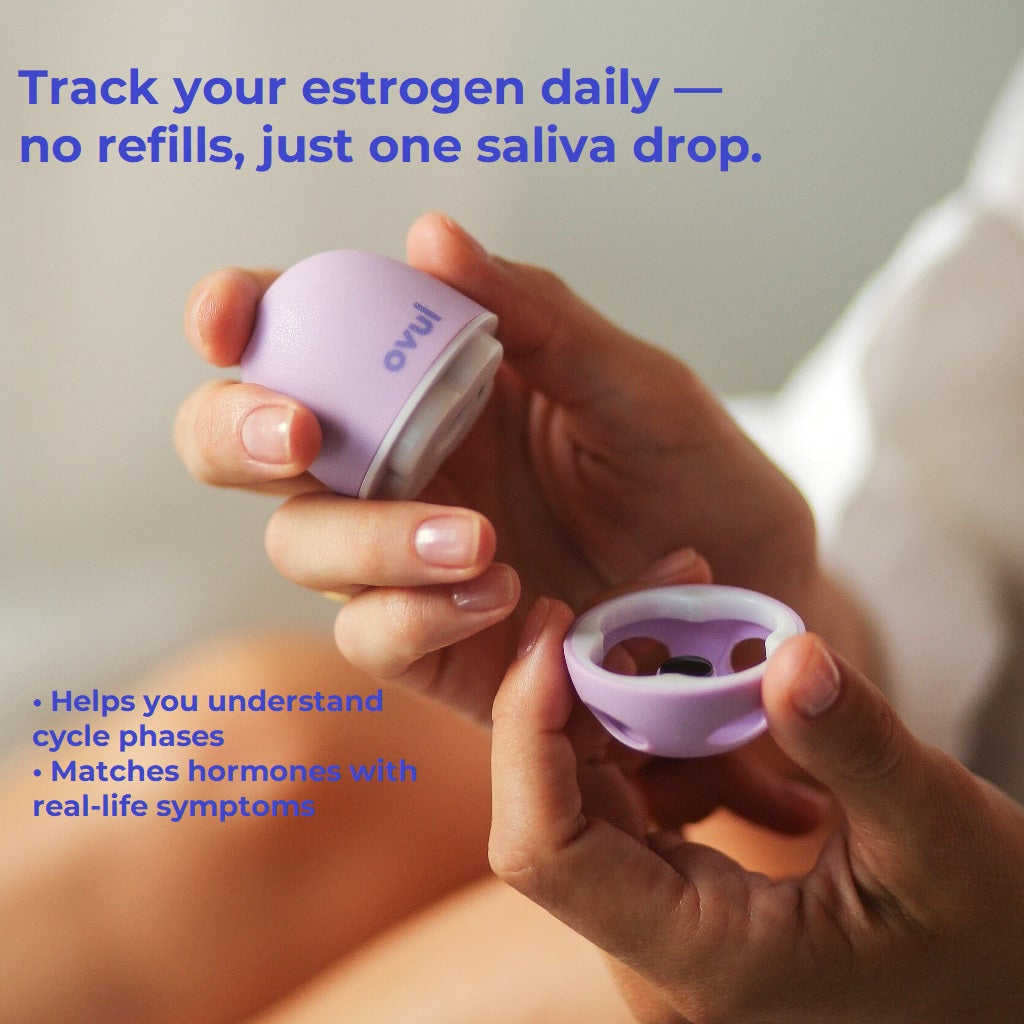
The Ovul fertility test is a non-invasive, science-based way to track your fertility and identify ovulation through a simple saliva sample. When estrogen rises before ovulation, the saliva forms distinctive microscopic patterns — called saliva ferning. With Ovul, this natural process becomes AI-powered.
Collect the sample
Collect and place a saliva sample on the reusable glass slide.
Close and analyze
Close the device and wait for the result in the app — AI analyzes the sample in seconds.
Get your phase
Get instant results in the app showing whether you're in a non-fertile, transitional, or fertile phase.
By tracking estrogen activity daily, Ovul helps predict ovulation 2–4 days in advance, offering reliable and hormone-free fertility monitoring. This reusable device replaces disposable test kits — eco-friendly, cost-effective, and ideal for long-term cycle tracking.
Fertility Test for Women Over 35 and 40
Fertility begins to decline after 35 and more noticeably after 40, as egg count and quality decrease. Still, many women in their late 30s and 40s conceive successfully with early testing and proper guidance.
A fertility test for women over 35 helps evaluate ovarian reserve, hormonal balance, and ovulation regularity.
For women over 40, testing often includes AMH (anti-Müllerian hormone) and FSH (follicle-stimulating hormone) blood tests, ultrasound scans, and overall reproductive assessment.
Smart devices like the Ovul fertility test help track hormonal changes naturally at home, even when cycles become irregular with age.
Note: Early fertility testing provides valuable insights and helps plan pregnancy or consider assisted reproduction (like IVF) at the right time.
How to Improve Fertility
Fertility depends on many factors, and it can be improved by maintaining a healthy lifestyle, balanced nutrition, and regular monitoring of your body's condition. The main recommendations include:
- Adopting a healthy lifestyle: avoid smoking, alcohol, and drugs, and maintain a healthy body weight.
- Eating a balanced diet: include enough protein, vitamins, and minerals such as folic acid, zinc, selenium, and omega-3 fatty acids.
- Managing stress and getting quality sleep: reduce cortisol levels and ensure proper rest.
- Maintaining optimal physical activity: exercise regularly but avoid overtraining.
- Avoiding overheating (for men): stay away from hot baths, saunas, and tight clothing.
- Monitoring hormonal balance.
- Treating chronic diseases that can affect reproductive function.
Additional measures such as taking vitamin supplements, undergoing physiotherapy, and consulting a doctor in case of conception difficulties can also help improve fertility.
Personalized Insights with Ovul AI
Ovul AI goes beyond fertility tracking — depending on your cycle, hormonal fluctuations, and physical symptoms, it provides deeper, data-driven insights. Using knowledge derived from over 2,500 scientific studies, Ovul delivers personalized recommendations across three essential dimensions: Body, Mind, and Nutrition. The more consistently you use Ovul, the smarter it becomes — offering highly tailored guidance that adapts to your unique hormonal patterns and supports your fertility journey naturally and effectively.
Ready to replace your calendar?
A Smarter Ovulation Tracker Device
Try our ovulation tracker kit — the Ovul AI App, a leading femtech innovation and digital ovulation monitor — risk-free. Get one year of unlimited access and a 100% money-back guarantee. Track fertility, predict ovulation, and monitor estrogen trends with just a drop of saliva. No risk, no commitment — just science-backed clarity.
12 months Ovul AI App subscription is on us — $9.99 USD/month after 1 year.
Fertility 101
Latest articles
PCOS affects far more than periods and fertility. It can shape desire, arousal, lubrication, confidence,…
If you are trying to conceive or simply learning to understand your cycle more deeply,…
I've looked at more Ovul hormone tracker crystal patterns than I can count. Tens of thousands…
Get 10% off your first order
Start your hormone tracking journey with a 10% discount. Sign up to save today and take the first step toward a deeper understanding of your cycle.