This article is for informational purposes only. It should not be considered medical advice. Please speak with your doctor before making decisions about your health.
In this guide, we’ll go beyond the basics, where traditional testing falls short, and how a deeper understanding of your body’s hormonal patterns can transform the way you experience perimenopause and menopause. We’ll discuss innovative tools that monitor estrogen trends and empower women to recognize early hormonal drift, take proactive steps, and navigate this transition with knowledge and grace. Whether you’re just noticing the first whispers of change or seeking fresh ways to support your health, you’ll find practical science, honest support, and a reminder that menopause is not an ending—but a remarkable new beginning.
Embracing Menopause: The Science, the Symptoms, and the Start of a New Chapter
Menopause is a natural transition that marks the end of a woman’s reproductive years and the beginning of a new chapter. It is defined as the point when your periods stop for twelve consecutive months, signaling that your ovaries are no longer releasing eggs and that fertility has come to a gentle close. This shift is brought on by a gradual and sometimes unpredictable decline in estrogen and progesterone—two hormones that have guided your cycle, energy, and even your mood for decades.
As these hormones decrease, your body may signal the change in many different ways. Hot flashes, night sweats, trouble sleeping, mood swings, and vaginal dryness are some of the most common symptoms, but every woman’s experience is unique. Some women notice changes in memory, a shift in body composition, or feel more emotional than usual. Others may hardly notice any changes at all.
It’s important to remember that menopause is not a loss, but a rite of passage—a sign that your body has accomplished something incredible. The end of fertility is not the end of vibrancy or purpose. In fact, many women find new freedom, energy, and confidence in this stage of life. The physical changes may feel daunting at first, but with the right information, support, and self-care, you can approach menopause as a new beginning—one where you are just as strong, wise, and beautiful as ever. There is hope, joy, and opportunity waiting for you in this next chapter.
How Can I Diagnose Menopause? Limitations of Traditional Tests
If you are wondering how menopause is diagnosed, most doctors use a combination of symptom tracking and hormone tests, such as blood draws for FSH, estradiol, LH, or AMH. These require appointments at a clinic, blood collection by a professional, and lab analysis. However, hormone levels naturally fluctuate—sometimes even throughout a single day. A single blood test gives only a snapshot, which may not reflect your overall hormonal pattern.
To truly establish a decline in estrogen over time, it is not enough to rely on just a single test. Hormone levels, especially estradiol, can swing significantly even within the same day, let alone from one month to the next. The “proper way” to establish a true trend in estrogen decline would require you to schedule regular blood draws—ideally every few days or at least once a week—over a period of several months. Each sample would need to be processed consistently and at roughly the same time of day, since estrogen fluctuates based on circadian rhythms, physical activity, and stress.
For most women, this type of high-frequency blood testing is unrealistic due to cost, time commitment, and the inconvenience of repeated clinic visits. It can be especially impractical if you have a busy work and family life. That’s why, in real-world settings, trends are often missed, symptoms can be misinterpreted, and the transition into menopause becomes confusing. In contrast, modern tools like Ovul allow you to monitor estrogen levels daily from home, creating a clear, continuous profile of your hormone trends—without the burden of constant lab appointments or consumable refills, which we’ll discuss in the section below.
Best At-home Menopause Test? Does it Exist?
At home, products like Oova offer a way to check hormone trends with less hassle. Oova uses disposable urine strips and a small optical scanner with your smartphone camera to read each result. The strips detect hormone metabolites in your urine, including LH (luteinizing hormone), E3G (a form of estrogen), and PdG (a progesterone metabolite). Oova recommends testing twice daily for optimal data during your cycle, which is a big commitment for anyone with a full schedule. Each test is single use, so you need a constant supply of refills for ongoing monitoring, making the process both expensive and potentially wasteful.
The science behind urine hormone testing is sensitive to timing. The gold standard for accuracy is using your first morning urine, because it is more concentrated and less likely to be influenced by food, drink, or physical activity. Testing after meals, later in the day, or after significant fluid intake can dilute hormone concentrations, leading to false low or inconsistent readings. Similarly, LH and estrogen levels can spike or dip rapidly, so missing the optimal window might mean you miss the crucial hormone surge altogether. Public guidance from the Mayo Clinic and fertility specialists agree that, for best results, first morning urine is preferred when using strips to track hormones.
Finally, Clarity on Menopause
Know your stage, understand your symptoms & reclaim control over your well-being.
Find My StageIs There an Early Detection Test for Menopause?
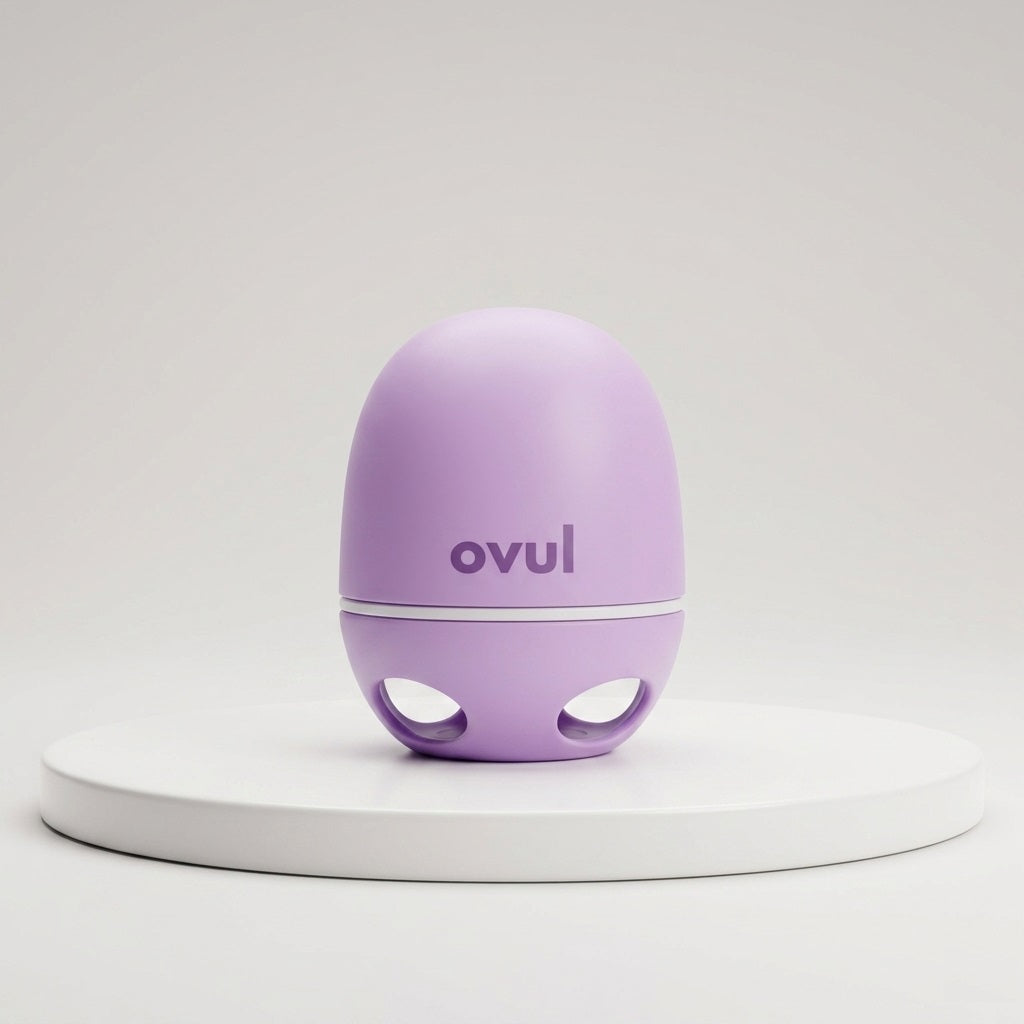
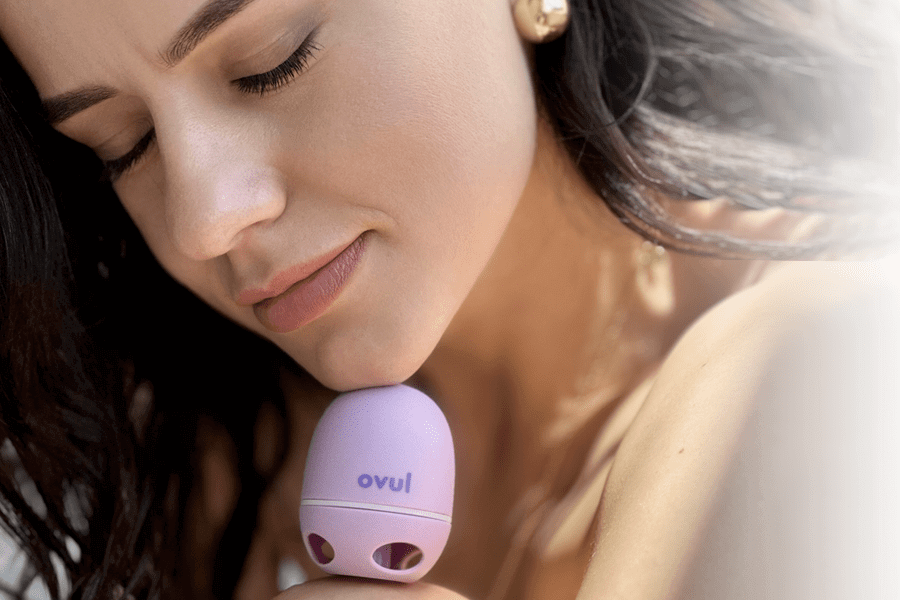
With the latest advancements in AI technology, you no longer have to wait for symptoms to become overwhelming or for traditional tests to catch up. Ovul AI offers saliva-based estrogen monitoring using state-of-the-art artificial intelligence that visually analyzes even the smallest changes in your saliva’s ferning pattern. The Ovul AI platform is an app-based smart device designed with convenience in-mind. Ovul’s AI algorithm has been trained on more than 10,000 reference images, and continues to learn, making it one of the most sensitive, reliable and accurate tools for detecting estrogen shifts in real time.
All it takes is a drop of saliva. Ovul’s AI effortlessly tracks your estrogen trends over days, weeks, or months, completely independent of the time of day or outside influences that might throw off a urine or blood test. Because the AI reviews and compares each sample against your personal baseline, it can recognize even subtle changes in your hormonal profile before you feel a single symptom. By linking this data with the Ovul AI app calendar and cycle history, Ovul builds a clear, easy-to-follow picture of your hormonal wellness—allowing for earlier detection of perimenopause or menopause, and giving you and your healthcare provider more options for timely intervention, lifestyle planning, or simply peace of mind.