
This article is for educational purposes only and does not replace professional medical advice. If you notice unusual menstrual changes, consult a gynecologist.
Why is my period blood brown?
Why is my period blood brown is a question that concerns millions of women around the world, as a brown tint can seem unusual or be a cause for alarm. A brown period is the result of blood oxidation when it stays in the uterus or vagina longer than usual. Hemoglobin in the blood comes into contact with oxygen and reacts, causing the bright red blood to turn brown. This process can be noticed at the beginning or end of menstruation when bleeding is less intense. What does it mean when your period blood is brown? This usually indicates old blood that did not come out immediately but remained in the reproductive system. This phenomenon can be normal, especially if menstruation is light or the cycle is irregular. However, it is important to consider the frequency and accompanying symptoms to rule out possible pathologies (endometriosis or hormonal disorders). For example, brown blood may appear in women who have recently started taking hormonal medications or have experienced stress.
What causes brown period blood?
Brown blood is caused by several factors related to both physiology and external influences. The main cause is blood oxidation, which occurs when blood flows slowly, allowing hemoglobin to interact with oxygen. This often happens when estrogen levels are low, as estrogen regulates blood flow intensity. brown period blood meaning can also be associated with residual endometrium from the previous cycle, which is discharged as brown discharge. Other factors include stress, changes in diet, certain medications, or even mild dehydration, which affects blood consistency. In women going through perimenopause, brown discharge may be more common due to the natural slowing of the cycle. To better understand, let's look at the main causes:
- slow blood flow, characteristic of light or irregular periods;
- endometrial tissue that is shed at the beginning or end of the cycle;
- hormonal fluctuations, for example during perimenopause or after childbirth;
- stress or physical exertion, which slows down blood flow.
These factors are normal and should not cause concern. If brown discharge is accompanied by pain, a strange odor, or other symptoms, it is important to see a doctor as soon as possible for an examination and consultation.

Why is my period brown on the first day?
The question of why is my period brown on the first day often arises when women notice a brownish tint at the very beginning of their period. This is because blood from the previous cycle may have remained in the uterus and undergone oxidation. This is especially common with irregular cycles, when the endometrium is shed unevenly, or after stressful situations that slow down the onset of active bleeding. Brown color on the first day may also be associated with a narrow cervical canal, which makes it difficult for blood to flow out quickly. If this is a one-time occurrence, it usually does not require intervention, but the regular appearance of brown blood at the beginning of menstruation may indicate a hormonal imbalance (low progesterone levels) or polycystic ovary syndrome.
Brown period blood for a week – Is that normal?
When menstruation lasts a week and the blood remains brown, the question arises: brown period blood for a week – is that normal? In most cases, this can be normal, especially if the cycle is light and the blood comes out slowly, oxidizing along the way. This effect is often seen in women with long but light periods. However, if the entire period consists exclusively of brown discharge without fresh blood, this may be a sign of problems such as endometriosis, polyps, or infections. What does brown period blood mean in such cases? It may indicate a delay in blood flow from the uterus due to anatomical abnormalities or hormonal imbalances. Endometriosis can cause inflammation and the color will change to brown. If, in addition to the color, you are concerned about pain, clots are visible in the discharge, or there is an unpleasant odor, you should see a gynecologist for a diagnosis.
Black period blood – What it really means
Black period blood can be visually alarming, but in most cases, it is simply heavily oxidized blood that has remained in the uterus longer than usual. Black period blood meaning is related to the oxidation of hemoglobin, which causes the blood to turn almost black. This is more common at the end of menstruation, when the discharge is less intense, and also with an irregular cycle. What does black period blood mean? This is what blood looks like when it does not come out immediately. It is important to remember that black color can signal more serious problems (polyps, fibroids). Consider how often this happens and if there are other symptoms. The line between normal and cause for concern is very thin.
Why is my period blood black?
Why is my period blood black? This is due to the prolonged presence of blood in the uterus, where it undergoes oxidation. It may be caused by anatomical features such as a narrow cervical canal or the presence of obstructions such as fibroids or polyps, which slow down the flow of blood. Black blood may also appear when using hormonal contraceptives, which alter the nature of menstrual flow, or during postmenopause, when the cycle becomes irregular. Black blood is usually safe in isolated cases, but if it occurs regularly, it may indicate hormonal imbalances or the need to be checked for infections.

Black blood – When to worry
Black blood is a cause for concern if it is accompanied by an unpleasant odor, severe pain, fever, or other alarming symptoms. These signs may indicate an infection, such as endometritis, or a forgotten tampon, which requires immediate medical attention.
In rare cases, black blood may be associated with serious conditions such as tumors, but this is uncommon. If black period blood appears monthly and is accompanied by irregular cycles, clots, or discomfort, you should get checked out to rule out conditions such as endometriosis or fibroids.
Dark period blood – Between normal and concerning
Dark period blood occupies a middle ground between normal and potentially problematic, raising questions such as why is my period blood so dark. It is blood that has partially oxidized, becoming darker than bright red but not as dark as black. Dark period blood meaning depends on a variety of factors, including age, lifestyle, hydration levels, and overall health. Why is my period blood dark brown? This may be due to slowed blood flow caused by hormonal changes or physical factors. Understanding the causes of this phenomenon helps women determine whether it is normal or requires attention.

Ovulation Tracking, Elevated.
Real hormone insights delivered daily — finally tools you can trust.
Reveal My Fertile WindowDark red period blood and its causes
Dark red period blood occurs due to moderate oxidation of blood, which does not come out immediately, but not too slowly either. This may be due to dehydration, which makes the blood thicker, or physical activity, which temporarily affects blood flow. Dark red brown period blood often appears in the middle or at the end of the cycle when the flow becomes less intense, and this is usually not a cause for concern. The dark red color may also be associated with medications such as anticoagulants or natural changes in the body, such as after childbirth, when the lochia gradually darkens.

What does it mean when your period blood is so dark?
The question what does it mean when your period blood is so dark is often related to hormonal changes that slow down blood flow, allowing the blood to oxidize. Dark red blood period can be caused by fibroids, which thicken the blood, or low iron levels, which affect its consistency. If the darkness of the blood is constant, this may be a reason to check your thyroid function or hormone levels. For example, hypothyroidism can make blood darker due to changes in its viscosity. However, isolated cases are usually harmless and related to temporary factors such as stress or changes in diet.
Period blood color meaning – From bright red to brown
Understanding period blood color meaning helps you monitor the health of your reproductive system and identify possible abnormalities. Period colors range from bright red, indicating fresh blood and active blood flow, to brown or black, signaling old blood that has undergone oxidation. These shades reflect how quickly the blood leaves the uterus and how much it interacts with oxygen. Dark blood meaning in this context is often associated with slow blood flow, while bright shades indicate a healthy cycle. Different colors may be normal, but constant changes require attention.
Bright red period blood
Bright red blood is fresh blood that leaves the uterus quickly, before it has time to oxidize. It is typical for the peak of menstruation, especially on the second or third day of the cycle, when blood flow is most intense. Brown period blood, in comparison to bright red, indicates a slower process. Bright red is an indicator of healthy blood flow and no blockages in the uterus.
To better understand period color meaning, let's look at the spectrum of shades:
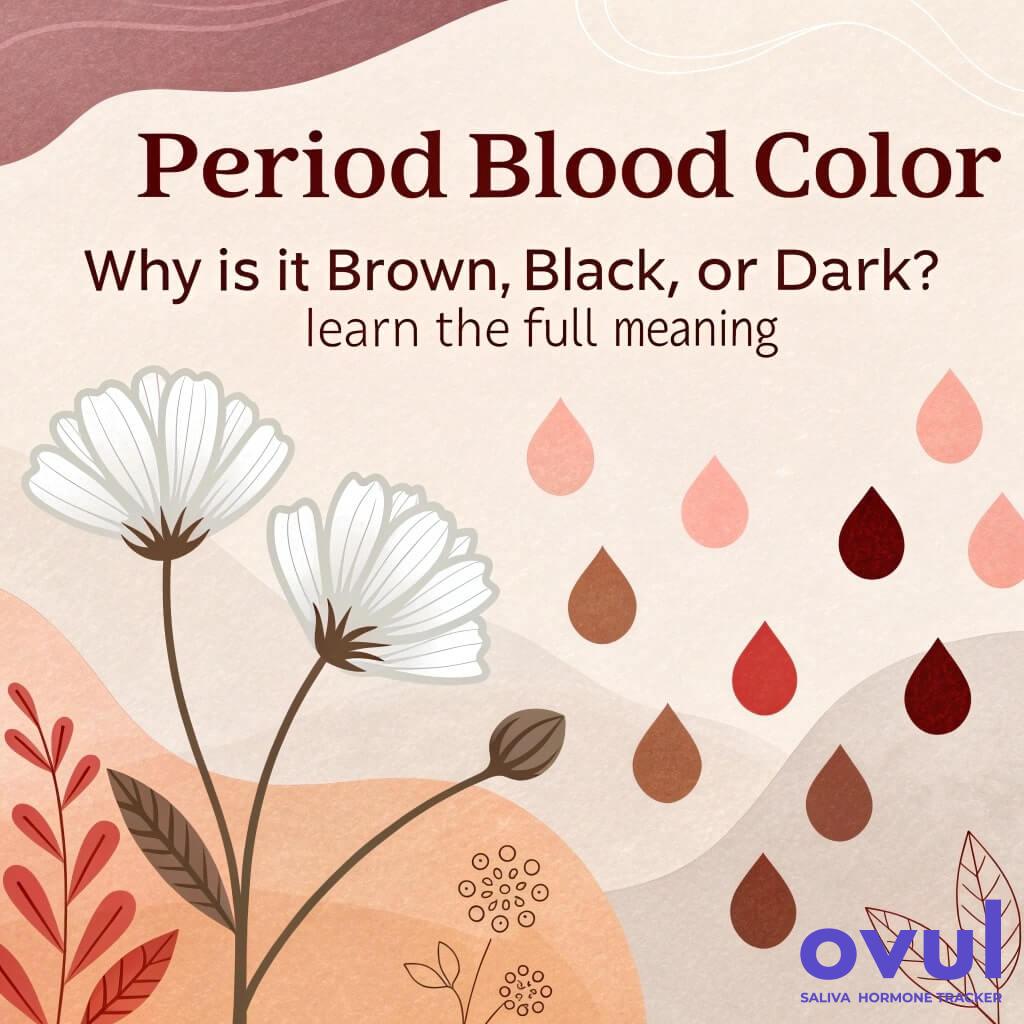
- Bright red: Fresh blood, active blood flow, normal in the middle of the cycle.
- Dark red: Slight oxidation, often at the end of the period.
- Brown: Old endometrial cells, usually harmless.
- Black: Severe oxidation, may indicate blood retention.
These shades help you understand the dynamics of your menstrual cycle.

Why is my period blood bright red?
The question “why is my period blood bright red?” has a simple answer: the blood comes out quickly, without having time to oxidize, which is typical of heavy bleeding. This is often seen in young women with regular cycles or during the peak days of menstruation. A bright red color is a sign of a healthy process, when blood does not linger in the uterus and comes out unchanged. If this color dominates throughout the entire period, it is usually a positive sign.
Light pink or watery period blood - What you should know
When a woman says that “ my period blood is light pink and watery”, it can be concerning because the color is different from the usual red. A light pink or watery color often occurs due to the blood being diluted by cervical mucus or very light blood flow. This can be normal, especially at the beginning of the cycle, but sometimes it indicates anemia, low estrogen levels, or other conditions that require attention. Women often worry about the question, “Is brown period blood a sign of pregnancy?” However, this color is rarely associated with pregnancy, more often reflecting hormonal changes or weak blood flow.
Causes of light pink blood
Light pink blood appears when blood mixes with vaginal discharge, which often occurs with light bleeding. This may be related to the onset of menstruation, ovulation, or low estrogen levels, especially in women in perimenopause or those who have recently stopped taking birth control. Pink blood can also appear with anemia, when the blood is less saturated with hemoglobin. Other causes include physical exertion or stress, which temporarily reduce blood volume.
When pink blood is a warning sign
A light pink or watery color becomes a warning sign if it is heavy, appears outside of your cycle, or is accompanied by pain. This may be a sign of infection or hormone problems. There is also a possibility of early miscarriage. If other symptoms (weakness or dizziness) accompany the pink color, you should see a specialist to rule out anemia and other dangerous conditions.
Hormones and period blood color – The hidden link
Hormones determine period color meanings and affect the thickness, volume, and speed of discharge. Estrogen and progesterone normally form a regular and stable cycle, and their imbalance causes shades of menstrual blood, including dark red blood period, brown, or light pink. Low estrogen levels can cause light periods, with more complete oxidation and a darker or almost black color. High hormone levels can increase blood flow, making the blood brighter.
How hormonal birth control affects blood color
Hormonal contraceptives, such as pills, patches, or intrauterine devices, can significantly affect the color of menstrual blood. They often make the blood lighter or darker by slowing blood flow and promoting oxidation. For example, pills can cause brown or dark red discharge due to reduced blood volume and changes in the endometrium. Here's how contraceptives affect color:
- reduced blood volume, leading to dark shades such as brown;
- changes in the structure of the endometrium, causing brown discharge;
- breakthrough bleeding, often light pink due to low blood flow;
- cycle stabilization, minimizing sudden color changes.
These effects explain why colors vary among women using contraception.
PCOS, thyroid issues, and their effect on period color
Polycystic ovary syndrome (PCOS) often causes dark brown period blood due to irregular cycles, which cause blood oxidation. Thyroid problems, such as hypothyroidism, make the blood thicker, leading to darker shades. For example, hypothyroidism can slow down the metabolism, affecting blood flow and increasing oxidation. These conditions require attention if the dark color is accompanied by irregularity or other symptoms such as fatigue or weight gain.

When to see a doctor about period blood color
Understanding period color meanings helps determine when color changes require medical attention. If shades change suddenly, last longer than usual, or are accompanied by other symptoms, it is a reason to see a specialist. For example, dark red blood period with severe pain may indicate fibroids or other conditions that require diagnosis.
Track your cycle with OVUL
Understanding changes in period blood color is just one part of hormonal health. To gain deeper insights into your fertility and hormonal balance, tools like OVUL can help. OVUL uses AI-powered saliva testing to track hormone fluctuations at home, providing a clearer picture of your cycle and making it easier to spot irregularities that may need medical attention.
Symptoms that require medical attention
Some symptoms associated with blood color require immediate attention. For example, persistent dark shades, such as black or brown, combined with pain or an unusual odor may indicate an infection or anatomical problems. Here are the key signs that require a visit to the doctor:
- Persistent black or brown color without an obvious cause.
- Heavy bleeding with large clots or severe pain.
- Menstrual changes after age 40, especially with irregularity.
- Combined with fatigue, dizziness, or weight change.
These symptoms help identify potential problems early and start treatment.
Common conditions linked to abnormal blood colors
Abnormal blood colors can be associated with various conditions. For example, fibroids often cause dark red brown period blood due to blood clotting and slowed blood flow. Endometriosis can manifest as brown discharge due to inflammatory processes, and infections can cause blood with an unpleasant odor. Hormonal disorders such as PCOS can cause light pink or dark shades due to irregular cycles.
FAQ
What does brown period blood mean?
This is usually old blood that has oxidized due to slow passage from the uterus. This is often normal, especially at the beginning or end of your cycle when blood flow is light.
Why is my period brown on the first day?
This may be due to residual blood from the previous cycle that has oxidized in the uterus before the start of a new period.
Can black period blood be normal?
Yes, if it is a one-time occurrence without pain, odor, or other symptoms, it is simply heavily oxidized blood.
Why is my period blood so dark this month?
Possible causes include stress, hormonal changes, medication, or slow blood flow.
Does dark red blood mean fibroids?
Dark red blood may signal the formation of fibroids if accompanied by pain and heavy bleeding. However, to be sure whether there is a problem, it is best to consult a doctor.
References

Understand Your Estrogen Rhythm
Take control by knowing what your body is really doing.
Reveal My Balance