
This article is for informational purposes only. It should not be considered medical advice. Please speak with your doctor before making decisions about your health.
What Is Ovulation Bleeding?
Ovulation bleeding is typically very light vaginal bleeding or spotting that coincides closely with your ovary releasing an egg. It usually appears as a small amount of pink or red blood, sometimes accompanied by clear stretchy discharge, around the midpoint of your menstrual cycle. Unlike your regular period, bleeding during ovulation tends to be minimal, and you probably won’t need pads or tampons.
Less than five percent of women actually notice spotting during ovulation, and if it occurs, it generally resolves within one or two days. Spotting during ovulation can often cause concern, but for most women, it’s simply a normal aspect of a healthy menstrual cycle.
When Does Ovulation Bleeding Occur?
Ovulation bleeding typically occurs between 11 to 21 days after the start of your last period, depending on your individual cycle length. While ovulation usually happens midcycle, timing can vary month to month. Spotting before ovulation or spotting after ovulation is common and often indicates you are in your fertile window.
The color and consistency can help identify ovulation spotting. It’s usually light pink, red, or even brown, particularly when mixed with clear cervical mucus, distinguishing it from heavier or prolonged bleeding.
What Causes Ovulation Bleeding?
Hormonal fluctuations, particularly involving estrogen and luteinizing hormone (LH), trigger ovulation bleeding. A sudden surge or drop in these hormones around ovulation can cause minor shedding of your uterine lining, resulting in light spotting.
Other ovulation symptoms might include heightened libido, mild cramps known as mittelschmerz, breast tenderness, or increased sensory sensitivity. Spotting during ovulation is often simply a sign your body is functioning normally and preparing for possible pregnancy.
ОVUL - Fertility Monitor (Hormone & Ovulation Tracker Device)
Buy Now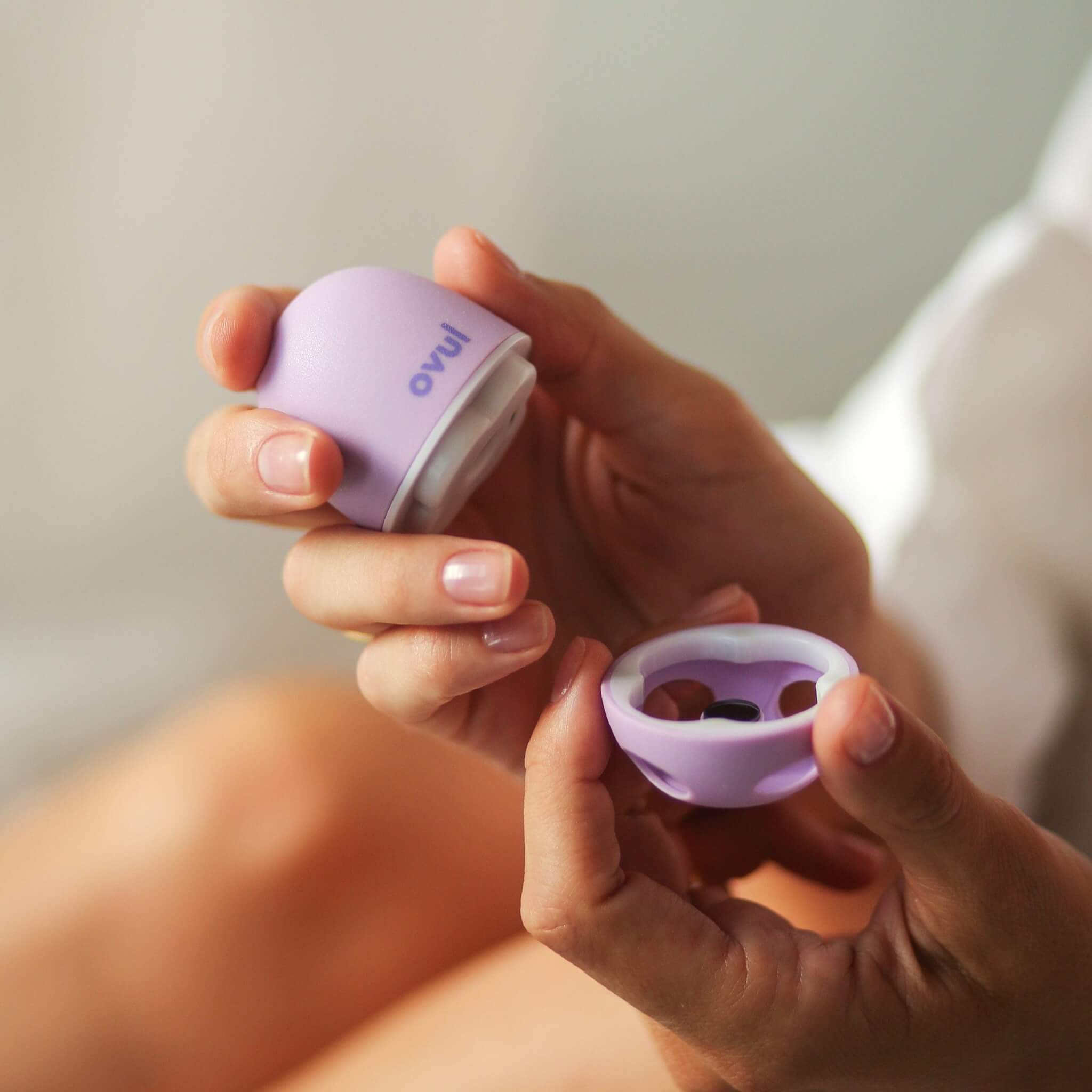
How to Track Ovulation and Spotting?
While marking spotting on a calendar is simple, there’s a more precise way to track ovulation spotting. Daily or hourly saliva ferning tests with Ovul can show real-time estrogen fluctuations, helping you identify fertile days accurately. Clear stretchy discharge with a little blood can be easily tracked, confirming ovulation before changes appear on a basal body thermometer.
With Ovul’s advanced AI technology, you get immediate clarity on whether bleeding is related to ovulation or other factors. This electronic fertility monitor removes guesswork, supporting you at each step to identify patterns clearly—even if your cycle isn’t always predictable.
Ovulation Bleeding After Ovulation: What Does It Mean?
It’s not unusual to see spotting after ovulation due to hormonal shifts as your body transitions from ovulation to preparing for potential pregnancy. If you’re wondering, “Is spotting during ovulation a good sign?” the answer is generally yes—it typically indicates a healthy ovulatory cycle.
Ovulation Bleeding Color and How Long Does Ovulation Bleeding Last?
Ovulation spotting often appears as light pink, red, or even brown if older blood is present. For most women, ovulation spotting lasts just one or two days, however, heavy ovulation bleeding with clots or spotting that extends beyond this typical range may signal an issue requiring medical attention.
Heavy Ovulation Bleeding with Clots: When to Worry
Typically, spotting during ovulation is very mild, but heavy ovulation bleeding or seeing noticeable clots should prompt medical consultation. This type of bleeding could indicate underlying conditions like uterine fibroids, polyps, or a hormonal imbalance, which merit professional evaluation.
Ovulation Bleeding vs. Implantation (Pregnancy) Bleeding: What’s the Difference?
Distinguishing between ovulation bleeding and implantation bleeding can be challenging, particularly if you’re trying to conceive. Here’s how you can differentiate:
Ovulation bleeding generally occurs midcycle, is pink or reddish, and is short-lived (1-2 days).
Implantation bleeding typically happens closer to your expected period, tends to be lighter, and can appear as pink, brown, or very faint.
If you're wondering, "Is ovulation bleeding a sign of pregnancy?" spotting around midcycle usually indicates fertility, whereas spotting roughly a week before your expected period might suggest implantation. Ovul’s daily hormone monitoring provides clarity on these distinctions, helping you precisely identify your cycle patterns. Studies have shown that saliva ferning continues past the fertile window when pregnancy is confirmed.
Ovulation Bleeding During Perimenopause: What to Know
During perimenopause, irregular cycles and unexpected spotting become more frequent. Ovulation bleeding may still occur but new or frequent episodes of spotting deserve professional advice. Ovul helps you track these hormone fluctuations clearly, giving you better insight into hormonal changes as you approach menopause.
Endometriosis Ovulation Bleeding: Causes and Treatment Options
If you’ve been diagnosed with endometriosis, you might experience ovulation bleeding more often due to inflammation and hormonal sensitivity. Daily tracking with a saliva fertility monitor like Ovul helps detect and monitor these changes early, providing critical data to share with healthcare providers. For women seeking a non-invasive approach, the saliva test for ovulation offers an easy and effective way to stay in tune with hormonal shifts. Treatment options typically include hormonal therapies (HRT), anti-inflammatory medication, or personalized care tailored to your cycle patterns.
Conclusion
Ovulation bleeding, although potentially alarming, is generally a normal and healthy sign of fertility. Tracking your symptoms with Ovul’s advanced saliva ferning technology can help replace uncertainty with clarity. If you have heavy, prolonged, or concerning bleeding—or simply need reassurance—always trust your instincts and consult your healthcare provider. With accurate information and supportive tools, you can confidently navigate your fertility journey, knowing exactly what to expect and when to seek help.
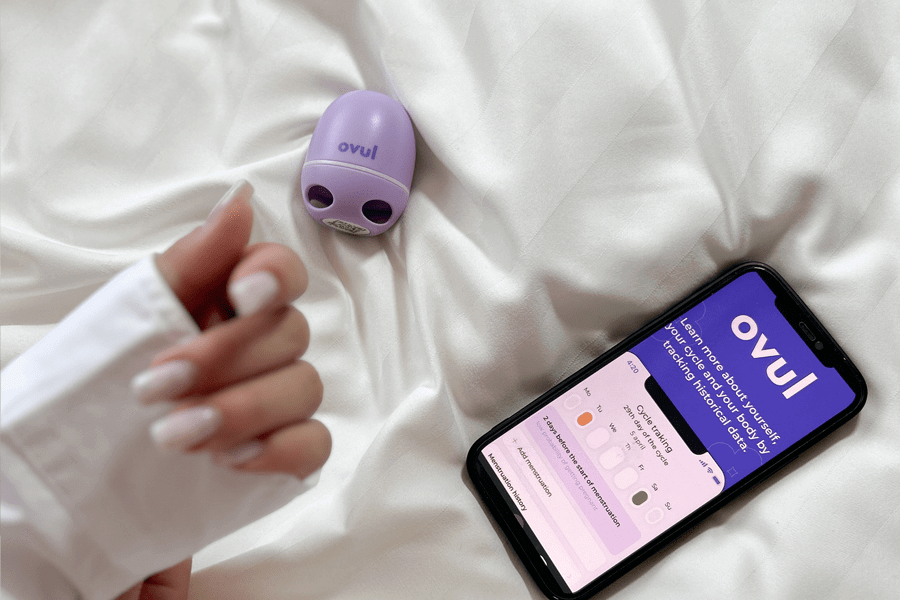
Your Smart Fertility & Ovulation Monitor
One year of AI-powered cycle tracking & hormone feedback.
Start Shopping NowFREE APPS
Free Period Tracker Apps – Start Free, Unlock Premium