This article is for informational purposes only. It should not be considered medical advice. Please speak with your doctor before making decisions about your health.
What Are Estrogens?
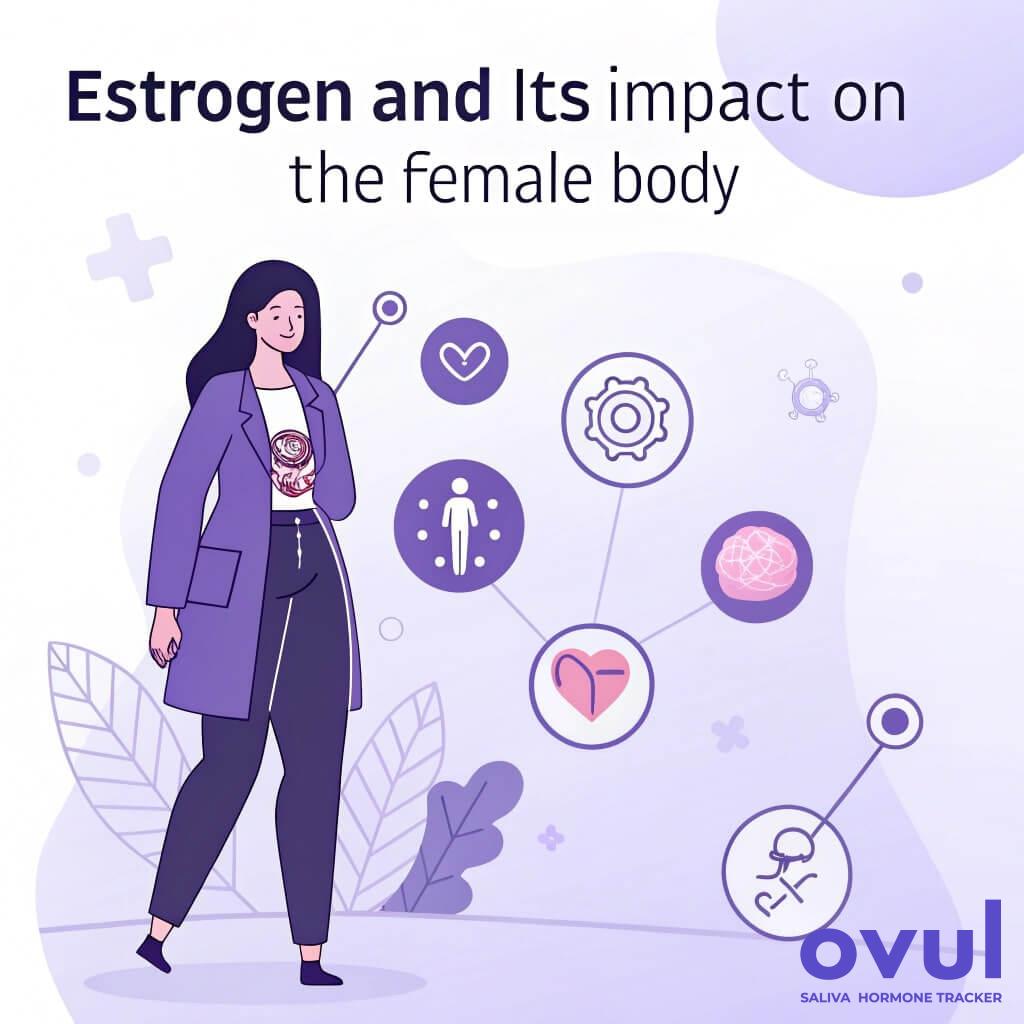
Estrogens are steroid hormones that play a vital role in female reproductive health, including puberty, the menstrual cycle, pregnancy, childbirth, and menopause. Estrogens are also essential for the proper function of bones, the brain, muscles, and internal organs such as the heart, liver, stomach, and intestines.
What Does Estrogen Do?
Hormones are special chemical messengers that regulate the functioning of nearly every system in the body. Estrogens are fundamental steroid hormones responsible for sexual development, reproductive function, bone health, disease resistance, and a woman’s overall well-being.
During and after puberty, the ovaries begin to secrete estrogens. Their levels fluctuate with the phases of the menstrual cycle. In the first two weeks, estrogen levels gradually rise, then decrease, which leads to menstrual bleeding. Throughout life, estrogen levels fluctuate — peaking during the reproductive years and significantly declining after menopause.
Systems Under Estrogen Control
- Reproductive system.
Estrogens are key to fertility and the normal menstrual cycle. They support the complex biological processes that enable pregnancy and childbirth: preparing the uterine lining, stimulating contraction of the fallopian tubes to move sperm toward the egg, and triggering menstruation if fertilization does not occur. - Cardiovascular system.
Before menopause, high estrogen levels help keep blood vessels elastic and strong, regulate cholesterol, and reduce inflammation. After menopause, when estrogen levels drop sharply, the risk of atherosclerosis, hypertension, and cardiovascular disease increases significantly. - Skeletal system.
Although the full mechanism is still being studied, estrogens affect bone tissue both directly (via estrogen receptors) and indirectly (through biological mediators). Estrogens regulate calcium excretion by the kidneys, calcium absorption in the intestines, and influence hormone levels like parathyroid hormone (PTH) and calcitonin. As estrogen declines, bone mineral density decreases, and the rate of bone resorption surpasses bone formation. This is why women over 40 are particularly susceptible to osteoporosis and fractures. - Skin.
Estrogens are often called the hormones of beauty and youth. They stimulate the production of collagen and hyaluronic acid, which are vital for maintaining bone structure as well as skin firmness, hydration, tone, and protection against photoaging. - Brain.
Estrogens indirectly participate in the formation of new neural connections, influencing memory, concentration, learning ability, and healthy sleep.
Main Types of Estrogens(2)
| Estrogen Type | Key Characteristics | Site of Production | Primary Functions |
| Estrone (E1) | The only estrogen that continues to be produced in measurable amounts after menopause. | Formed from androgens (converted in fat tissue, muscles), adrenal glands, and to a lesser extent, ovaries. Also synthesized from other estrogens (e.g., estrone sulfate, DHEA). | Supports reproductive tissue post-menopause; plays a role in menstrual cycle regulation, development of secondary sexual characteristics, fat distribution, metabolism, and bone health. |
| Estradiol (E2) | The most potent and dominant estrogen in premenopausal, non-pregnant women. | Primarily produced in the ovarian follicles (especially during ovulation); also synthesized in small amounts in adipose tissue, testes (in men), and the placenta during pregnancy. | Binds to estrogen receptors in the uterus, ovaries, and breasts. Regulates the menstrual cycle, brain and bone health, libido, and development of female secondary sex characteristics (e.g., breast growth, widened pelvis). |
| Estriol (E3) | The weakest estrogen; levels significantly increase during pregnancy. | Mainly produced by the placenta. Small amounts are made in the ovaries and adrenal glands. | Maintains vaginal and urinary tract mucosa, contributes to uterine and breast growth during pregnancy, and helps regulate the volume of amniotic fluid. Critical for maternal-fetal adaptation. |
🧬 Note: Other forms include estriol-16α-glucuronide, a metabolic byproduct of estriol, and estrone sulfate, a conjugated form stored in the liver that serves as a reservoir convertible to active estrogen when needed.
How to Check Estrogen Levels?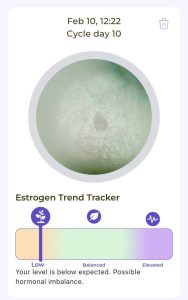
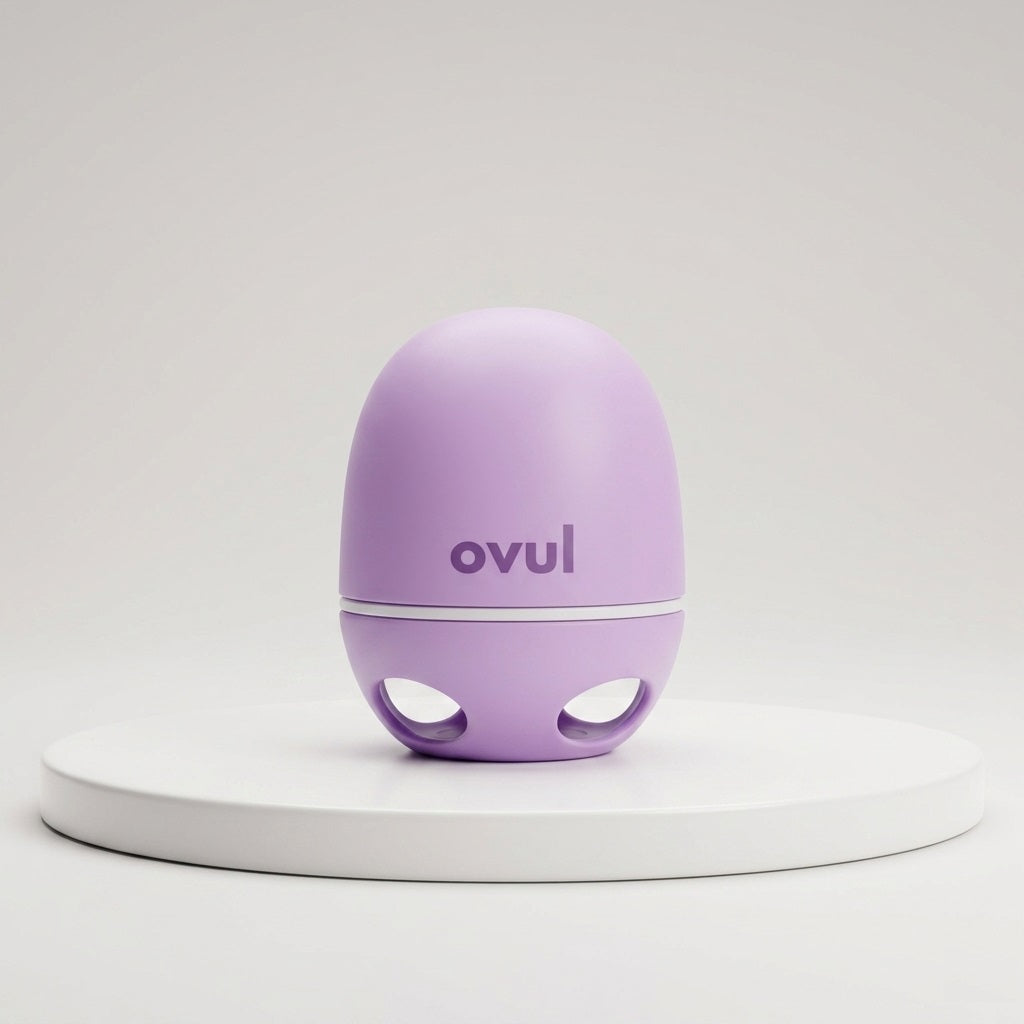
 One of the most advanced and convenient ways to monitor hormone levels today is through OVUL — an innovative saliva-based hormone tracking device. OVUL leverages AI-powered technology to detect key hormonal shifts throughout the menstrual cycle in real time.
By analyzing crystallization patterns in saliva, OVUL helps identify ovulation, track fertility status, and monitor hormonal balance without invasive procedures or lab visits. This non-invasive, user-friendly solution provides daily insights into reproductive health, allowing women to make informed decisions about their well-being.
Compared to traditional diagnostic methods, OVUL offers a more accessible, private, and continuous way to stay in tune with your body.
What Is the Normal Estrogen Level?
Estrogen levels fluctuate throughout a woman’s life. Before puberty, only minimal amounts are produced. As ovarian function increases, the production of sex hormones rises, and a girl transitions into womanhood.
Even after menstruation becomes regular, estrogen levels vary with the menstrual cycle. Estradiol rises during the follicular phase, peaks around ovulation, and declines during the luteal phase—assuming pregnancy does not occur.
Normal Estradiol Levels in Women (Non-Pregnant)(3):
| Cycle Phase | Estradiol Level (pg/mL) |
| Follicular Phase | 20–350 |
| Ovulatory Phase | 150–750 |
| Luteal Phase | 30–450 |
| Postmenopause | <10–30 |
Estrogen levels are especially important when planning pregnancy. Estradiol increases during ovulation to support egg release and fertilization. If pregnancy occurs, estrogen levels rise significantly to promote uterine growth, placental function, and blood flow.
Estradiol Levels During Pregnancy:
| Trimester | Estradiol Level (pg/mL) |
| First Trimester | 1,000–5,000 |
| Second Trimester | 5,000–15,000 |
| Third Trimester | 10,000–40,000+ |
After delivery, estrogen levels drop rapidly—usually returning to pre-pregnancy levels within a few days.
During menopause, estrogen levels decline dramatically due to reduced ovarian activity. In postmenopausal women, estradiol levels typically range from <10 to 30 pg/mL. This hormonal drop contributes to age-related symptoms such as dry skin, bone loss, and decreased tissue elasticity. However, low estrogen can also be seen in younger women due to underlying hormonal disorders.
Is Your Estrogen in Balance?
Test from home, understand your mood, energy & cycle signals.
Check My EstrogenWhat Causes High Estrogen Levels?
Estrogen naturally rises during puberty, ovulation, and pregnancy. However, there are also pathological causes of elevated estrogen levels, such as:- Overweight and obesity
- Excessive alcohol consumption
- Uterine fibroids (benign tumors)
- Chronic physical or emotional stress
- Hormone therapy
- Fibrocystic breast disease (benign breast lumps)
- Polycystic ovary syndrome (PCOS)
- Uterine polyps or fibroids
Symptoms of High Estrogen in Women
Hormonal imbalance in women can lead to rapid weight gain, especially around the waist and hips. Other common signs include:- Weight gain
- Breast tenderness and swelling
- Bloating
- Memory issues
- Worsening PMS
- Mood swings
- Thickening of breast tissue
- Sleep disturbances (including insomnia)
- Heavy or light menstrual bleeding
- Decreased productivity
- Fatigue and drowsiness
- Low libido
- Anxiety
In men, elevated estrogen may lead to gynecomastia (breast tissue growth), erectile dysfunction, and infertility
Why Does Estrogen Decrease?
Estrogen levels peak around age 20 and gradually decline, dropping by about 50% by age 50. Common causes of low estrogen include:- Eating disorders (anorexia, bulimia)
- Primary ovarian insufficiency (early menopause)
- Radiation or chemotherapy
- Surgical removal of one or both ovaries
- Chronic kidney disease
- Uncontrolled diabetes
- Genetic conditions (e.g., Fragile X syndrome, Turner syndrome)
- Autoimmune disorders (e.g., lupus, chronic thyroiditis, Graves’ disease)
- Pituitary dysfunction (e.g., adenoma, posterior cranial fossa syndrome)
Symptoms of Low Estrogen
Estrogen deficiency may delay puberty and result in late onset of menstruation (after age 16). Other symptoms include:- Night sweats and hot flashes
- Fragile bones and joint weakness
- Persistent fatigue and drowsiness
- Irregular periods
- Breast tenderness
- Headaches or migraines
- Mood instability
- Poor concentration
- Insomnia or difficulty falling asleep
- Vaginal dryness or atrophy
- Pain during intercourse
- Irritability
- Unexplained weight gain
How to Lower Estrogen Levels
Reducing body fat can decrease estrogen levels, as adipose tissue produces estrogen. Other strategies include:- A high-fiber, low-fat diet
- Reducing or eliminating alcohol
- Choosing organic meat free from growth hormones
- Avoiding plastic containers and packaging (to limit xenoestrogen exposure)
How to Increase Estrogen Levels
Estrogen levels may be supported by maintaining a healthy weight, engaging in moderate exercise, and getting quality sleep. Medical treatments include:- Hormone replacement therapy (HRT): Prescribed for estrogen deficiency during menopause or after oophorectomy. Forms include pills, creams, patches, injections, and vaginal suppositories.
- Estrogen-only therapy: Used after hysterectomy (removal of the uterus).
- Phytoestrogen supplements: Plant-based compounds (e.g., soy isoflavones, red clover extract) with estrogen-like effects.
How to Maintain Balanced Estrogen Levels
Balanced estrogen and progesterone can be supported by:- A diverse, nutrient-rich diet with moderate fat and carbohydrate intake
- Regular physical activity
- Maintaining a healthy weight
- Stress reduction (e.g., meditation, yoga, deep breathing)
- 7–9 hours of quality sleep per night
- Minimizing exposure to toxins (e.g., pesticides, heavy metals, plastics)
What Happens to Estrogen During Menopause?
During menopause, levels of estrogen, progesterone, testosterone, FSH, and LH all decline. Estrogen begins to drop during perimenopause (marked by irregular periods) and reaches its lowest point in menopause (defined by 12 consecutive months without menstruation)(5). Symptoms of estrogen deficiency during menopause include hot flashes, night sweats, flushing, mood swings, and unexplained sadness or anxiety. Skin becomes thinner and more wrinkled, the risk of urinary tract infections rises, and some women experience urinary incontinence.Which Doctors Diagnose and Treat Estrogen Imbalance?
Consult a gynecologist or endocrinologist if you suspect hormonal imbalance. General practitioners, urologists, neurologists, or cardiologists may also identify and manage estrogen-related conditions.Which Foods Contain Estrogens?
Some foods are rich in phytoestrogens, plant compounds that help reduce menopause symptoms, maintain bone density, and lower the risk of cardiovascular disease and cancer.Phytoestrogen-Rich Foods:
| Category | Examples |
| Soy products | Soybeans, soy milk, tofu, soy yogurt, soy oil |
| Whole grains | Oats, wheat, quinoa, rice, barley, whole-grain bread |
| Fruits | Apples, pears, cherries, peaches, grapefruit, plums |
| Vegetables | Broccoli, cauliflower, carrots, tomatoes, garlic |
| Nuts | Almonds, walnuts, pine nuts, macadamia |
| Seeds | Flaxseeds, sesame, sunflower |
| Legumes | Beans, chickpeas, lentils |
| Herbs/spices | Red clover, alfalfa, sage, thyme, succession herb |
Which Foods Help Lower Estrogen?
A high-fiber diet may help reduce serum estrogen levels. Fiber is found in:- Whole grains
- Legumes (peas, lentils, chickpeas)
- Vegetables (pumpkin, bell peppers, potatoes)
- Dried fruits (prunes, apricots, dates)
- Leafy greens (spinach, cilantro)
Conclusion
But if, due to natural and inevitable changes, you begin to experience estrogen deficiency — don’t panic. Today, the moderate symptoms of hypoestrogenism can be managed safely and effectively. With the right approach, you'll soon notice improvements in your health and a renewed sense of vitality. The most important thing? Don’t ignore the early signs of hormonal decline. Prompt attention can make all the difference.References:
- Estrogens and the risk of breast cancer: A narrative review of literature - ScienceDirect
- Estrogen - Wikipedia
- Estradiol: Reference Range, Interpretation, Collection and Panels
- High Estrogen: Causes, Symptoms, Dominance & Treatment
- Menopause - StatPearls - NCBI Bookshelf

Estrogen Clarity Starts Here
One test, real insights — for days you feel off or just want to optimize.
See My Estrogen Levels