This article is for informational purposes only. It should not be considered medical advice. Please speak with your doctor before making decisions about your health.
How Does Basal Body Temperature Work?
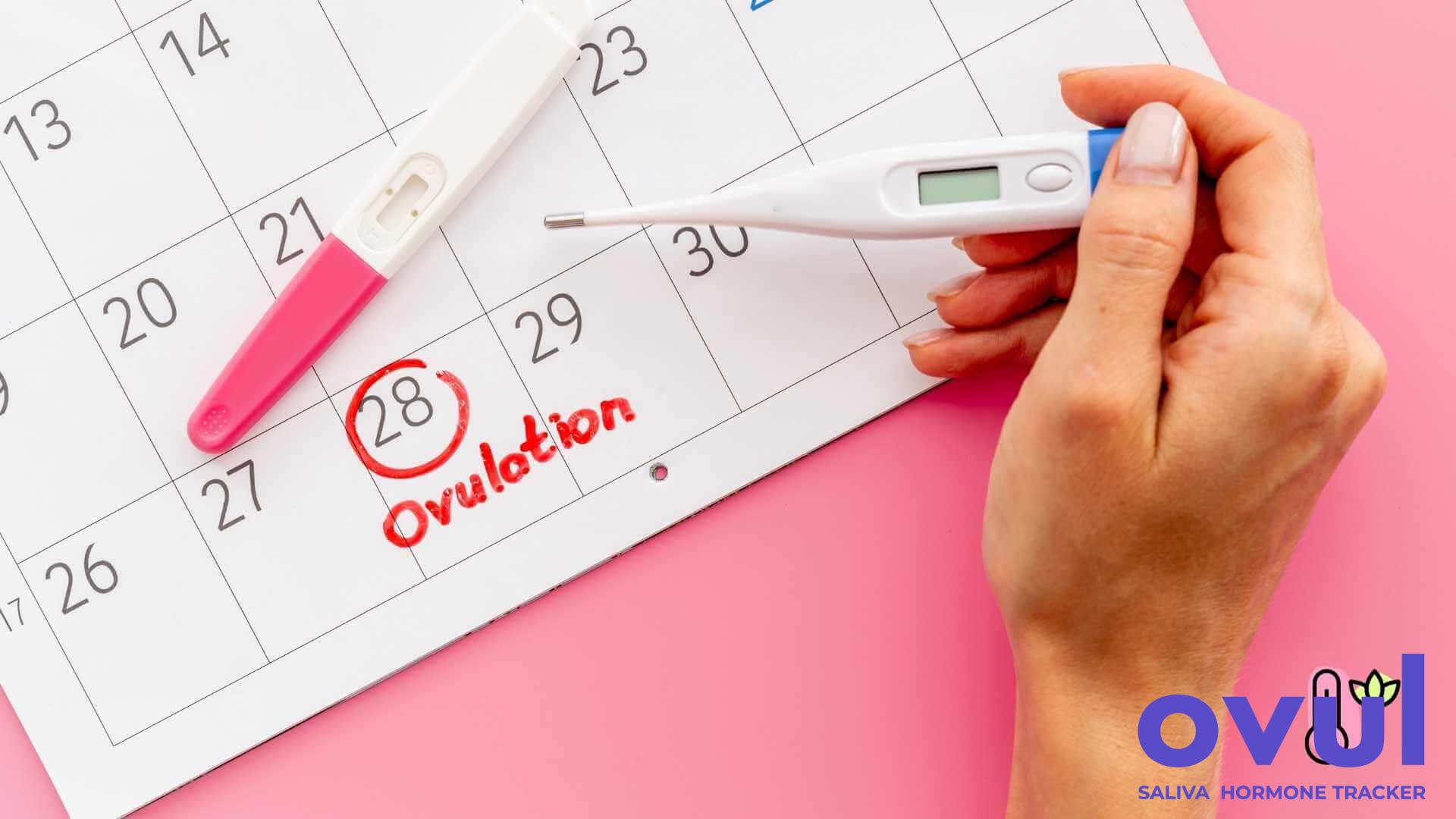
Tracking BBT relies on the hormone progesterone. After ovulation, your body releases progesterone, which increases your resting temperature slightly, usually by about 0.5°F. That means by the time you see your temperature rise, your most fertile window may have already passed. This delay is one of the main reasons BBT isn't ideal for real-time ovulation prediction. Modern fertility monitors offer a more advanced alternative by analyzing hormone levels—such as estrogen—directly and continuously. Unlike BBT, they can identify ovulation as it approaches, not after it has already occurred, helping users better understand their cycles and time conception more effectively.Useful Information About Basal Body Temperature and BBT Tracking
| Aspect | Details |
|---|---|
| When to Take Measurements | Immediately upon waking, before getting out of bed |
| How Long to Track BBT Changes | Minimum of 3 menstrual cycles to detect patterns |
| When to Start Your Basal Body Temperature Chart | First day of your menstrual cycle (first day of bleeding) |
| Which Basal Thermometer to Use | Digital basal thermometer with two-decimal accuracy |
Why Measure Basal Body Temperature?
BBT is helpful for confirming ovulation after the fact and understanding long-term cycle patterns. Over several months, it can give you a better sense of your average cycle length and luteal phase. It may even help identify hormonal irregularities. However, it’s not designed to predict your fertile window in real time. If your goal is to conceive as quickly as possible, relying solely on BBT could mean you're always one step behind.Normal Basal Body Temperature and Changes During the Cycle
Basal Body Temperature During Ovulation |
With a Missed Period |
| Typically, your BBT will increase by about half a degree Fahrenheit right after ovulation. The problem? By the time you notice this shift, the egg has already been released, and your best chances of conception may have passed. | If your period is delayed and your BBT remains elevated for 18 days or more, this could signal early pregnancy. However, this method requires diligent daily tracking and consistent sleep patterns. |
Basal Body Temperature in Pregnancy |
During Menopause |
| During pregnancy, progesterone keeps your BBT elevated. Many women use this clue as an early sign before testing. Still, other factors like illness or stress can also cause elevated temps, so it’s not foolproof. | During menopause, hormone levels fluctuate unpredictably, leading to erratic BBT patterns. Tracking BBT during this phase is generally unreliable. |
With Hormonal Imbalances |
|
| If you have PCOS or thyroid issues, your cycle may not include ovulation every month. That makes BBT charts hard to read, and sometimes misleading. In these cases, BBT should only be part of a broader hormone tracking strategy. | |
When and How to Measure Basal Body Temperature Correctly
Measure your temperature first thing in the morning at the same time every day. You’ll need at least three hours of uninterrupted sleep for the reading to be accurate. Place the thermometer under your tongue, wait for it to beep, then log your temp right away. Any deviation in timing, sleep, or routine can throw off your data.What Should Your Basal Body Temperature Be?
During Ovulation |
Before Your Period (Before a Missed Period) |
| BBT usually rises 0.5°F after ovulation, but remember, that’s too late to plan intercourse for conception. | Just before your period starts, you might see a slight drop in temperature as progesterone levels decline. |
With a Missed Period |
In Early Pregnancy |
| If your BBT stays elevated past your expected period date, it may suggest pregnancy. But without consistent data over multiple cycles, it’s hard to say for sure. | Consistently high temperatures that extend beyond 18 days post-ovulation often suggest early pregnancy. This can be a helpful sign, especially if paired with other symptoms. |
How to Create a Basal Body Temperature Chart for Pregnancy Planning
BBT charts work best when they include at least three months of daily readings. Start on day one of your cycle, log your temp every morning, and track symptoms like cervical mucus changes. Look for a biphasic pattern, a clear rise in temperature that stays elevated after ovulation. Just be aware: BBT won’t help you know when to time sex during the current cycle. It’s more of a hindsight tool.From Which Day of the Cycle Should You Start Measuring Basal Body Temperature?
Start charting from the very first day of your period. The more consistent your data, the more accurate your insights will be. However, remember that even with perfect tracking, BBT won't predict ovulation before it happens.Unfortunately, the Basal Temperature Method Is Not the Most Accurate
Let’s be honest, BBT has some big limitations. It’s slow, it’s retrospective, and it demands perfect daily habits. For women with irregular cycles, shift work, kids who wake them up at night, or just busy lives, BBT can be more frustrating than helpful. And because it only signals ovulation after it happens, you risk missing your fertile window entirely if you're relying on temperature alone.What Is Basal Body Temperature (BBT)?
Basal body temperature (BBT) is your body's lowest resting temperature, measured first thing in the morning before any physical activity. It’s a widely used method for understanding hormonal shifts during your menstrual cycle. But here's the catch, BBT rises only after ovulation has already happened, so while it can confirm that you ovulated, it can’t warn you in advance.
Also read: What is ovulation bleeding and when does it occur?
Digital Ovulation Test: Science Meets Simplicity
Track your cycle with lab-grade technology, without discomfort or guesswork.
Track My Cycle NowFalse Positives and Inconveniences of BBT
False positives in BBT tracking can occur due to inconsistent measurement times, disrupted sleep, illness, alcohol consumption or even environmental temperature changes. Women leading active or busy lifestyles may find the method impractical due to the strict measurement timing required.
BBT tracking is best suited for women with regular routines and consistent sleep patterns. It's less convenient for shift workers, frequent travelers, or anyone with irregular schedules.
Combining BBT with Saliva Ferning
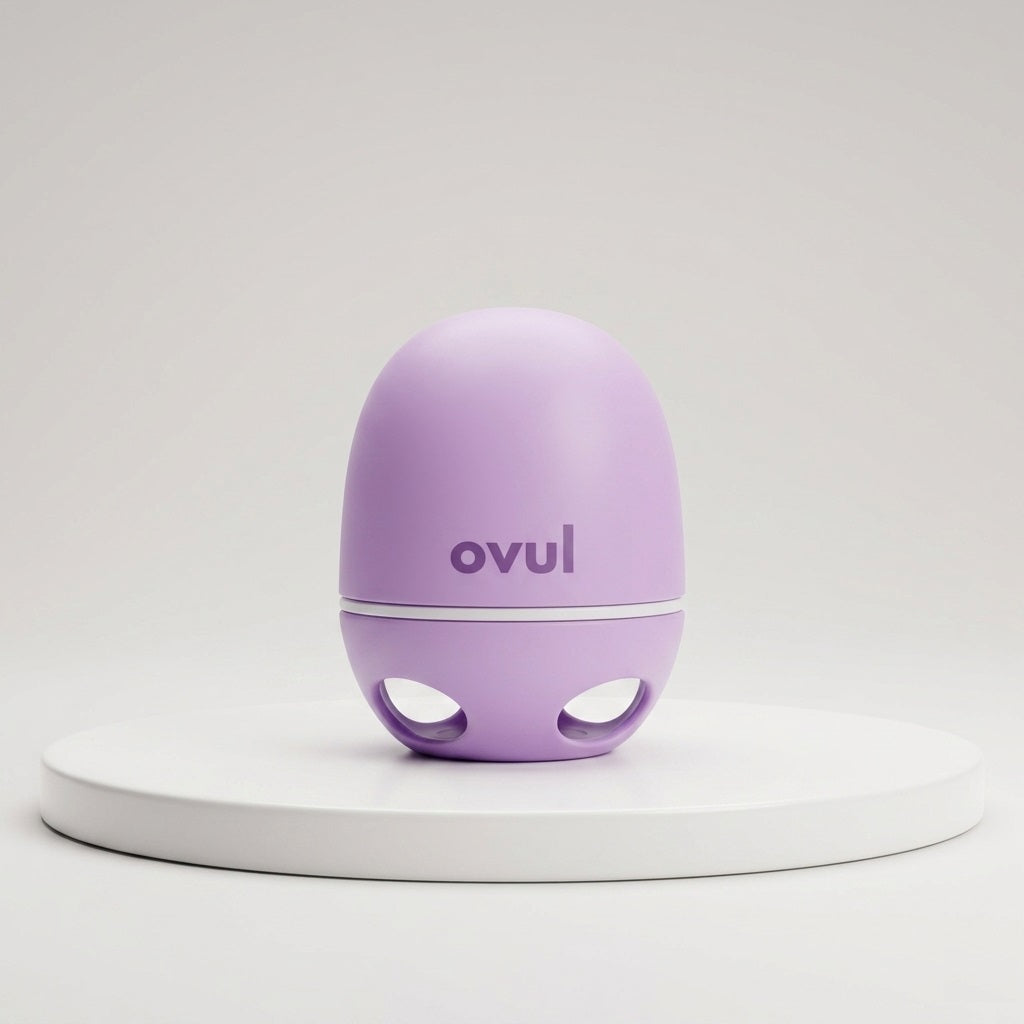
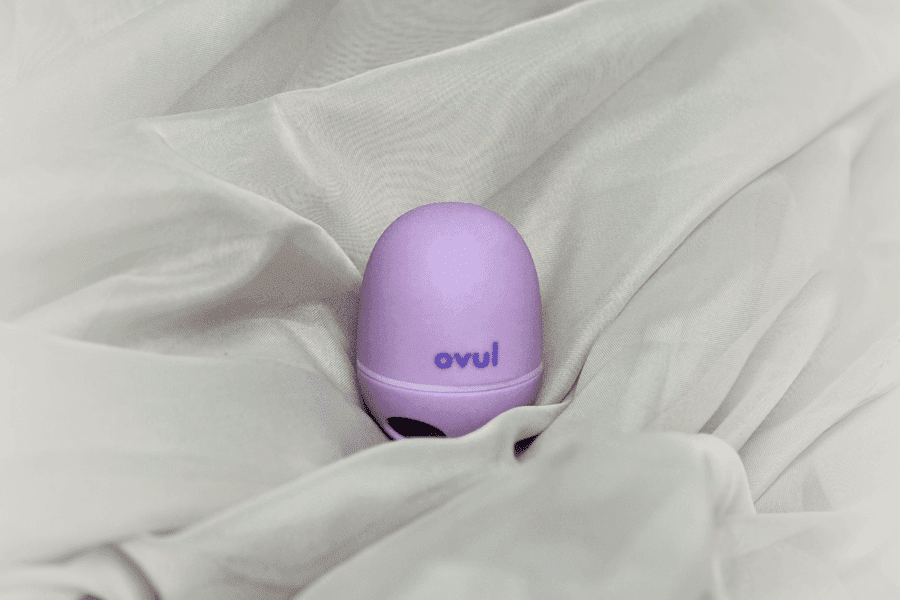
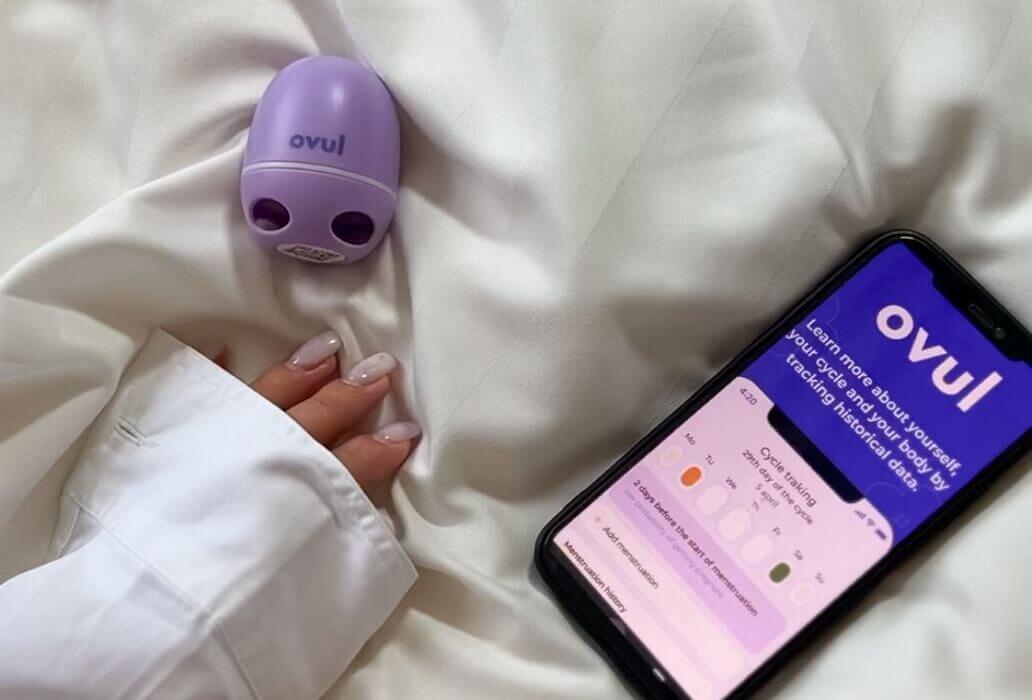
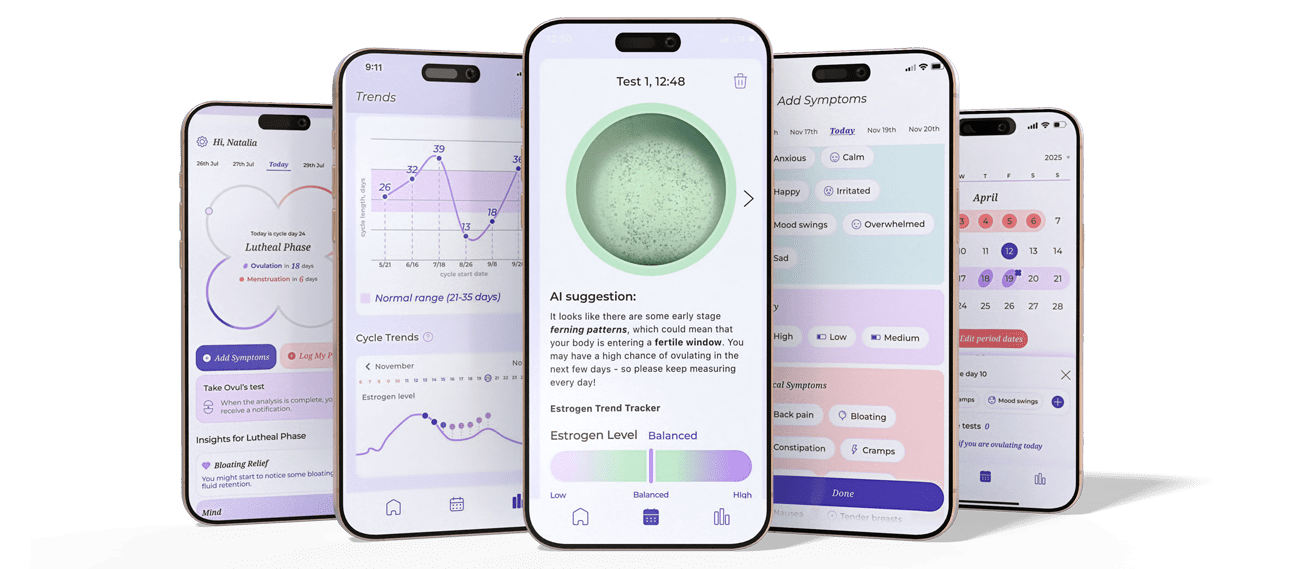
Using Ovul’s saliva best fertility tracker device alongside BBT tracking significantly boosts reliability and convenience. Ovul tracks estrogen changes in your saliva, helping you identify your fertile window days before ovulation, not after. It’s perfect for women who don’t want to rely on first-morning routines or keep charts for months. If you miss a morning BBT reading or first morning urine with an OPK, Ovul will be there to bridge the gap. Saliva ferning tests can be done hourly throughout the day, greatly improving timing, reducing false positives and supporting you whether you're TTC or monitoring hormonal health.
Ovul is the only consumable free, daily estrogen monitor on the market today. Use Ovul beyond fertility tracking to detect hormonal imbalances early, making it the perfect companion from first period to female menopause.
Download on the App Store · Get it on Google Play
Saliva Ferning: A Reliable Complement or Alternative
If you're looking for real-time fertility insights instead of confirmation after the fact, saliva ferning offers a clear advantage. This method has been studied and used for decades as a natural, non-invasive way to track the fertile window. Compared to traditional methods, an ovulation saliva test is easy to use, discreet, and cost-effective. For those comparing options, it’s also worth noting that the ovulation test price for saliva-based tools is often lower over time, especially with reusable digital devices.
Saliva ferning works by detecting changes in estrogen levels. As estrogen rises in the days leading up to ovulation, a distinct crystal-like pattern, resembling frost or fern leaves, begins to form in dried saliva. This pattern typically appears 24 to 72 hours before ovulation, giving you an advanced signal that your most fertile days are approaching.
The science behind saliva ferning is well established. Peer-reviewed studies have shown that it can accurately predict ovulation with high sensitivity and specificity, especially when used consistently. Unlike basal body temperature, which only rises after ovulation has already occurred, saliva ferning gives you a proactive view into your cycle.
It's also incredibly convenient. No need to pee on sticks or wake up at the same time every morning to take your temperature. All it takes is a small amount of saliva and a clear lens. With modern digital ovulation trackers, the process becomes even easier. These tools automatically analyze your saliva sample and interpret the results for you, offering a smart, non-invasive, and effortless way to identify your fertile window in real time.
Saliva ferning is ideal for women with irregular cycles, shift work, or busy lifestyles. It removes the guesswork and gives you timely, reliable insight—exactly when it matters most.
Popular Questions and Answers
What hormone regulates the rise and fall of basal body temperature?
Progesterone is the key hormone responsible for raising your body temperature following ovulation. It stimulates the thermoregulatory center of the brain, leading to a measurable increase in basal body temperature during the luteal phase of the menstrual cycle.
02In which phase of the menstrual cycle is basal body temperature higher?
Your BBT is higher in the luteal phase, after ovulation.
03How can you tell if you are pregnant by tracking your BBT chart?
If your BBT stays high for 18 days past ovulation, it may indicate pregnancy, but you’ll need to track for multiple months to recognize that pattern.
04How much should BBT rise after ovulation?
Typically, about 0.5°F (0.2–0.6°C).
05What is the difference between a basal thermometer and a regular thermometer?
Basal thermometers are more sensitive; they show temperatures to two decimal places, which is essential for detecting subtle shifts.
Helpful References and Links:

Understand Your Estrogen Rhythm
Take control by knowing what your body is really doing.
Reveal My Balance