Take our PCOS Quiz
Answer 10 short questions to estimate your likelihood. This is not a diagnosis.

Women with PCOS often have irregular menstrual cycles - periods may be delayed, absent for months, or come too frequently. These irregularities usually happen because ovulation does not occur every month. Without consistent ovulation, the chances of becoming pregnant decrease, making PCOS one of the leading causes of infertility.

Infertility is one of the most common challenges in women with PCOS. Hormonal imbalances interfere with the release of eggs, meaning ovulation is irregular or absent. Even when conception occurs, hormonal changes can increase the risk of early miscarriage, which is why PCOS is often diagnosed in women struggling with fertility.

PCOS is strongly associated with weight gain and difficulty losing weight. Insulin resistance and hormonal imbalance make the body store fat more easily, especially around the abdomen. Many women find that even with healthy eating and exercise, weight loss is slower, and small improvements in weight can still bring major health benefits.

Cravings for sweets and carbohydrates are common in PCOS and are usually linked to insulin resistance. When cells don't respond well to insulin, the body struggles to use sugar for energy, leading to higher blood sugar levels. This triggers stronger hunger signals, making it harder to resist high-carbohydrate foods.

PCOS tends to run in families, suggesting a genetic link. If your mother, sister, or another close relative has PCOS, your chances of developing it are higher. This genetic predisposition may influence how your body produces and responds to hormones, making family history an important risk factor.

PCOS often leads to higher levels of androgens (male hormones), which increase oil production in the skin. This can result in persistent acne that may be more severe and harder to treat than typical breakouts. Acne caused by PCOS often affects the face, chest, and back.

Skin changes such as skin tags or darkened, velvety patches (acanthosis nigricans) are often linked to insulin resistance in PCOS. These patches usually appear in skin folds like the neck, armpits, or under the breasts, and they can serve as an early sign of metabolic imbalance.

Many women with PCOS experience blood sugar fluctuations because of insulin resistance. When glucose levels rise and fall quickly, symptoms such as dizziness, lightheadedness, or fatigue may appear. These episodes reflect how closely PCOS is connected to the body's metabolism.

Elevated androgen levels in PCOS can cause two opposite hair problems: excessive facial or body hair (hirsutism) and thinning of scalp hair (female-pattern hair loss). These changes can be distressing but are a direct result of hormonal imbalance.

Women with PCOS are more likely to store fat in the abdominal area rather than in the hips or thighs. This “central obesity” is not just a cosmetic issue - it increases the risk of developing type 2 diabetes, high blood pressure, and heart disease.

Do you have Polycystic Ovary Syndrome (PCOS)?
Wondering how to know if you have PCOS? This quick PCOS quiz is designed to help you spot common symptoms. In just two minutes, the “Do I have PCOS Quiz” can guide you toward understanding whether your experiences match the classic signs of PCOS. While only a doctor can give a true PCOS diagnosis, this quiz can help you learn what to look for.
Symptoms of Polycystic Ovarian Syndrome (PCOS)
Core Characteristics of PCOS
PCOS is typically defined by three main characteristics, often called the Rotterdam criteria. A diagnosis is made when at least two of the three are present:
- Irregular or absent ovulation: This leads to irregular menstrual cycles or no periods at all.
- Excess androgens: Higher-than-normal levels of “male” hormones like testosterone can cause acne, excess facial or body hair (hirsutism), and hair thinning on the scalp.
- Polycystic ovaries: Ovaries that are enlarged and contain multiple small, immature follicles that look like “cysts” on ultrasound. These are not actual cysts. They’re eggs that have not matured properly.
Symptoms of PCOS
The signs and symptoms of PCOS in women can vary, but some of the most frequent include:
- Irregular or absent periods
- Difficulty conceiving due to irregular ovulation
- Acne and oily skin
- Excess hair growth on the face, chest, or stomach
- Thinning scalp hair or PCOS hair loss
- Weight gain or difficulty losing weight (PCOS weight gain)
- Darkened skin patches (acanthosis nigricans), often on the neck, groin, or underarms
- Mood swings, fatigue, or low energy
Some women even report symptoms of PCOS with regular periods, which can make the condition harder to detect. Elevated estrogen can also play a role, leading to patterns sometimes described as signs of estrogen dominance with PCOS.
PCOS and Ovulation Tracking with Ovul
Understanding Saliva Ferning for Women with PCOS
What Causes PCOS?
The exact cause is not fully understood, but several factors contribute:
- Genetics: PCOS often runs in families, which suggests a strong hereditary component.
- Insulin resistance: Many women with PCOS have difficulty processing insulin, leading to higher insulin levels. This can drive the ovaries to produce more androgens.
- Hormonal imbalance: Higher androgens disrupt normal ovulation, leading to irregular cycles and fertility challenges.
Long-Term Health Effects
PCOS is more than just a reproductive health issue. It is linked to increased risk of:
- Type 2 diabetes and insulin resistance
- High cholesterol and cardiovascular disease
- Endometrial hyperplasia (thickened uterine lining) and, in some cases, increased risk of endometrial cancer
- Emotional effects such as anxiety and depression, which are more common in women with PCOS
PCOS and Fertility
One of the most common concerns is “can you get pregnant with PCOS?”. The answer is yes, many women with PCOS conceive naturally or with medical support, but irregular ovulation makes timing more difficult. Treatments range from lifestyle changes to ovulation-inducing medications and assisted reproductive technologies.

Diagnosis of Polycystic Ovary Syndrome (PCOS)
Getting a proper PCOS diagnosis is essential. Doctors usually look for three markers: irregular ovulation, high androgen levels, and multiple small follicles on ultrasound. If you’ve been searching for how to know if you have PCOS, professional evaluation is the only way to confirm. Remember that this quiz is an educational tool, not a substitute for medical advice.
Prevention of PCOS
There is no guaranteed way to prevent PCOS, but lifestyle choices can minimize the effects of PCOS. Regular exercise, balanced nutrition, and tools that track your hormones can help you manage symptoms and improve fertility.
At-Home Hormone Monitoring and PCOS
One of the biggest challenges with PCOS is that symptoms vary widely from woman to woman. Some struggle with irregular cycles, others with acne or hair loss, and many with unexplained weight gain. But underneath these symptoms lies a key hormonal signal: estrogen dominance.
In PCOS, the ovaries often produce too much estrogen compared to progesterone. This imbalance can disrupt normal ovulation and lead to irregular or absent periods. Elevated estrogen is now recognized as one of the biomarkers for PCOS, especially when paired with high androgens and insulin resistance.
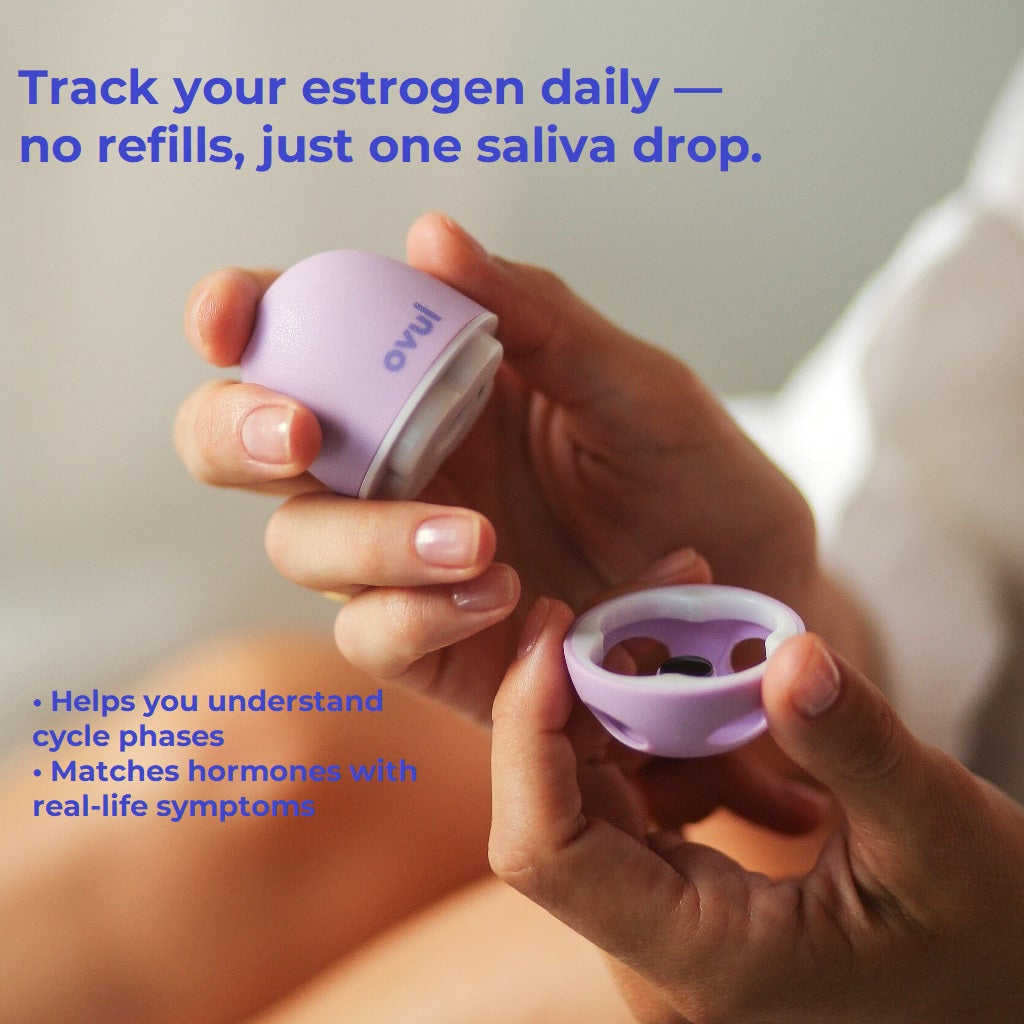
Recent breakthroughs in hormone testing are shining new light on at-home estrogen monitoring with a simple saliva test. Estrogen testing is one of the easiest ways to track your cycle at home, and it is increasingly recognized by medical professionals worldwide as a reliable tool for identifying estrogen imbalance and estrogen dominance.

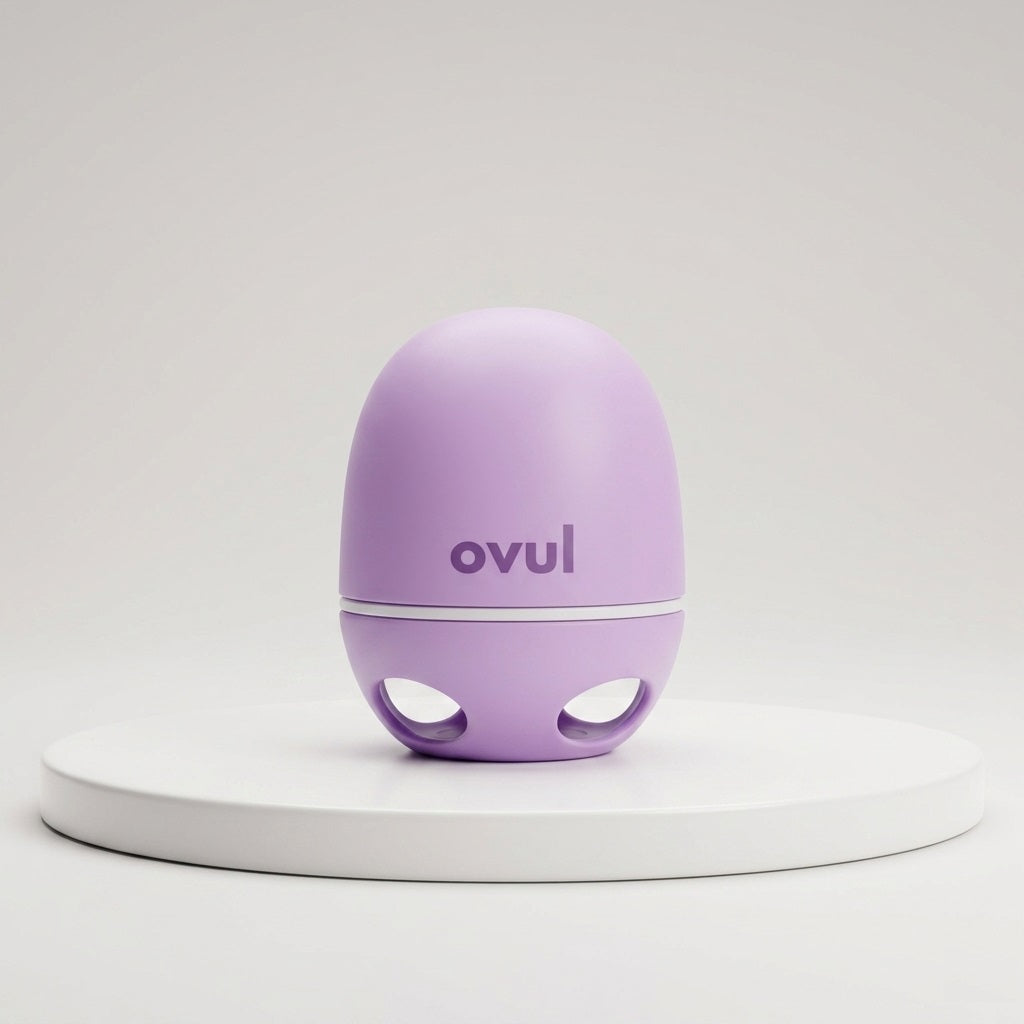
Ovul Tracker.
The Ovul monitor is a scientifically designed product for tracking ovulation. With its precise and accurate measurements, it helps you easily and effectively monitor your most fertile days, increasing your chances of conception by 95%.
PCOS

Frequently Asked Questions
The symptoms shift after menopause, but the condition does not disappear. Risks for diabetes and heart disease remain.
The exact cause is unknown. Genetics, insulin resistance, and hormone imbalances are all contributors. If you are wondering is PCOS genetic, the answer is that family history plays a strong role.
Yes. PCOS hair loss happens when excess androgens shrink scalp follicles, leading to thinning hair.
Yes. Many women experience PCOS weight gain due to insulin resistance. With the right nutrition and lifestyle strategies, weight can be managed.
Still have a question? Contact us?