This article is for informational purposes only. It should not be considered medical advice. Please speak with your doctor before making decisions about your health.
Helpful Information About Ovulation
|
Topic |
Details |
|
Start of Ovulation |
In a typical 28-day cycle, ovulation usually occurs around day 14. |
|
Role of Luteinizing Hormone (LH) |
A surge in LH triggers the release of the egg from the ovarian follicle. LH levels typically begin to rise about 34–36 hours before ovulation. |
|
Changes in the Body During Ovulation |
Around 24 hours before ovulation, progesterone production increases. This hormone helps relax muscles, reduces the likelihood of cramps and inflammation, and decreases blood clotting. |
|
Causes of Ovulation Disorders |
• Stress • Poor nutrition • Hormonal imbalances • Reproductive system disorders • Infections, etc. |
|
When Conception Is Possible |
Fertilization is most likely during the five days leading up to ovulation and on the day of ovulation itself. |
12 Main Signs of Ovulation in Women
Throughout the menstrual cycle, a woman’s body undergoes regular changes. Some signs of ovulation can be noticed through physical sensations, while others require clinical testing. Being able to identify the beginning and end of this phase is useful not only for those trying to conceive but also for all women who monitor their health.
1. Rise in Luteinizing Hormone (LH)
This hormone stimulates the secretion of estrogen and progesterone — key sex hormones necessary for ovulation. LH levels can be tracked through blood or urine tests.
2. Increase in Follicle-Stimulating Hormone (FSH)
This hormone stimulates the growth and maturation of the dominant follicle in the ovary. FSH levels peak in the middle of the cycle — during ovulation. You can check FSH levels through blood or urine tests.
3. Rise in Progesterone and Estradiol
An increase in LH triggers progesterone production. Together with estradiol, progesterone plays a key role in regulating ovulation. These hormone levels can be monitored through blood or urine analysis. Progesterone typically peaks 3–4 days after ovulation.
4. Change in Basal Body Temperature
This refers to the lowest body temperature during sleep or rest. It can be measured at home using a standard thermometer. To detect reliable patterns, it’s best to take daily measurements over the course of at least three menstrual cycles.
6. Increased Libido
This sign cannot be scientifically measured and is based solely on subjective feelings. Many women notice a rise in sexual desire around the time of ovulation.
7. Short-Term Lower Abdominal Pain
Mild pain or discomfort on one side of the lower abdomen may occur due to the rupture of the dominant follicle releasing an egg, or due to increased tone of smooth muscles.
8. Dilation of the Cervical Os
This sign can only be observed by a healthcare provider using a vaginal speculum. If the external cervical opening appears round, shiny, and dark — resembling a pupil — it indicates that ovulation has begun.
9. Presence of a Small Amount of Fluid in the Douglas Pouch
The Douglas pouch is the pelvic cavity space located between the uterus and the rectum. Detecting fluid in this area requires an ultrasound scan.
A small amount of fluid during ovulation is normal. However, fluid detected at other times in the cycle, or an excessive amount during ovulation, may indicate a pathological condition. Stagnation of this fluid can lead to inflammation.
10. Appearance of a Stigma on the Ovarian Follicle Wall
A stigma is a small bulge on the follicle wall through which the egg is released during ovulation. This sign cannot be detected on your own; it requires ultrasound. It’s one of the more reliable indicators, as ultrasound can clearly show the enlargement of the follicle right before ovulation.
11. Increase in Alkaline Cations in Saliva
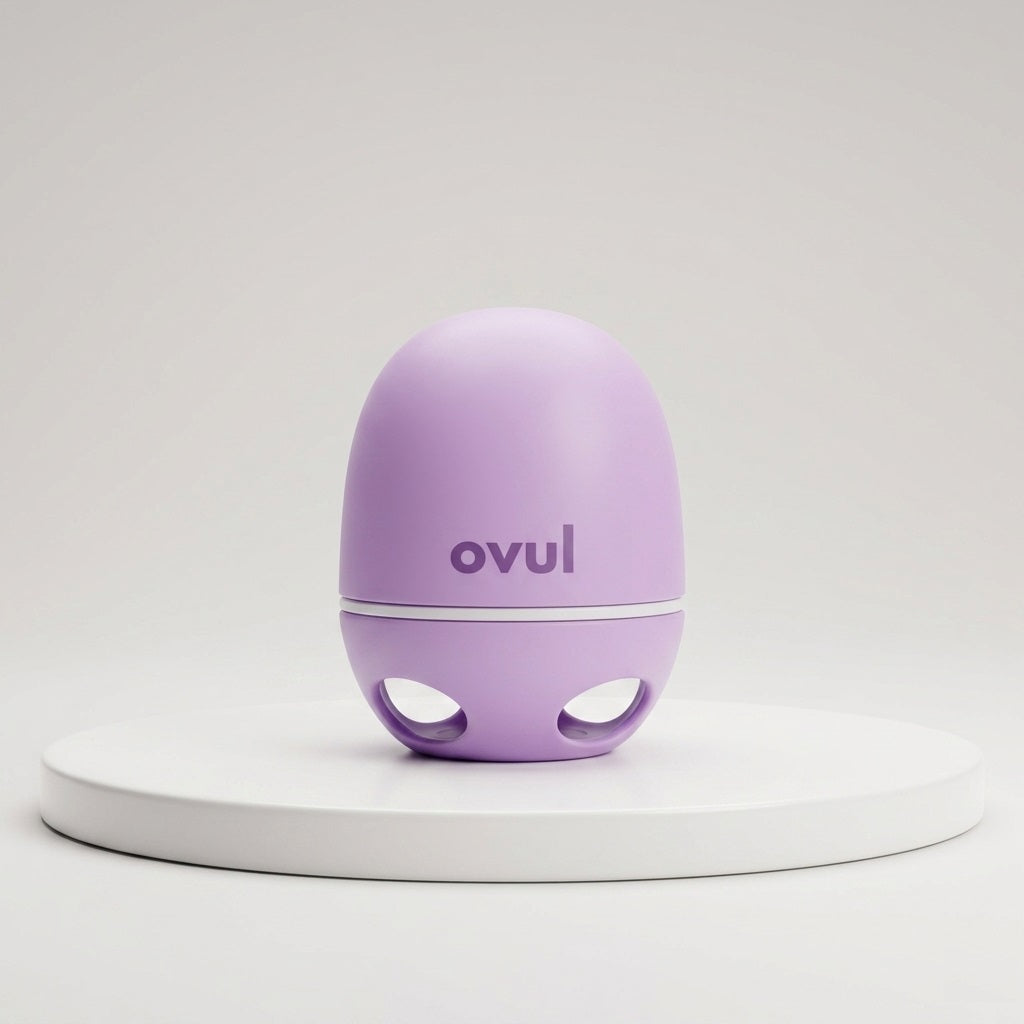
As ovulation approaches, rising estrogen levels increase the concentration of sodium and potassium salts in saliva. With Ovul, you can track these changes easily using advanced saliva-based ovulation testing — no need for lab visits. Ovul’s AI analyzes subtle shifts in electrolyte patterns to help detect your fertile window with precision.
12. Mood Changes
Since the menstrual cycle is regulated by hormones secreted by the hypothalamus (a part of the brain), hormonal fluctuations can influence a woman’s emotional state. For some, this results in mild mood swings, while others may experience more pronounced symptoms, such as cyclical depressive episodes that come and go each month.
What Are the Signs That Ovulation Is Approaching?
This phase of the cycle can be identified by a mix of objective and subjective signs. Some can be measured through lab tests, while others are only noticeable by the woman herself.
-
Physical Sensations
In the days leading up to ovulation, some women experience cramping, sharp sensations, or a feeling similar to a "popping bubble" in the lower abdomen. Increased sensitivity to cold is also reported, even if the room temperature hasn’t changed. -
Discharge
About three days before ovulation, cervical mucus becomes more watery, clear, and stretchy. Many women also notice an increase in its quantity. -
Body Temperature
To track ovulation using temperature, it must be measured every morning before getting out of bed. This is done rectally, with the woman remaining still for five minutes. A noticeable rise in basal body temperature usually indicates that ovulation has occurred. -
Mood
Due to hormonal fluctuations, many women experience changes in mood throughout the cycle. These can include irritability, anxiety, impulsiveness, or emotional sensitivity just before ovulation. On the other hand, some women report a noticeable increase in sexual desire during this period. -
Hormonal Profile
Accurate assessment of hormone levels requires laboratory testing of blood and/or urine samples. It is best to conduct these tests over the course of at least three menstrual cycles.
While hormonal shifts affect mood, temperature, and physical sensations, it’s important not to rely solely on subjective feelings. External factors like environment, diet, stress, and overall well-being also play a significant role. Therefore, for reliable ovulation tracking and hormonal evaluation, medical consultation is recommended.
Frequently Asked Questions and Answers
How many days does ovulation last in women?
— “Ovulation itself lasts only a moment — it’s simply the rupture of the follicle. A not-so-pleasant but clear analogy: a maturing follicle is like a pimple that bursts once it’s fully developed.”
How can you tell if pregnancy has occurred after ovulation?
— “The most reliable indicator of pregnancy is a blood test for the hCG hormone. A missed period can also suggest pregnancy, but not always, especially in people with irregular cycles.”
Other possible — but subjective — signs of early pregnancy include:
- Breast tenderness
- Mood swings
- Increased appetite
- Nausea
- Pulling sensations in the lower abdomen
What should you do if there are no signs of ovulation?
— “There are diagnostic methods for ovulation, including testing for LH and progesterone levels, or ultrasound imaging. If ovulation signs are absent and pregnancy does not occur, it’s important to consult a physician.”
How does ovulation affect well-being?
— “A few days before ovulation, clear, mucus-like discharge may appear, produced by the cervical glands. By the time ovulation begins, estradiol levels rise. This hormone reduces appetite, boosts energy use, and increases libido.”
What symptoms might occur during ovulation?
— “Some women may experience abdominal pain, and in rare cases, even bleeding that requires medical attention or surgery. A regular menstrual cycle usually indicates that ovulation is occurring. Without ovulation, hormonal balance may be disrupted, leading to irregular cycles or even missed periods.”
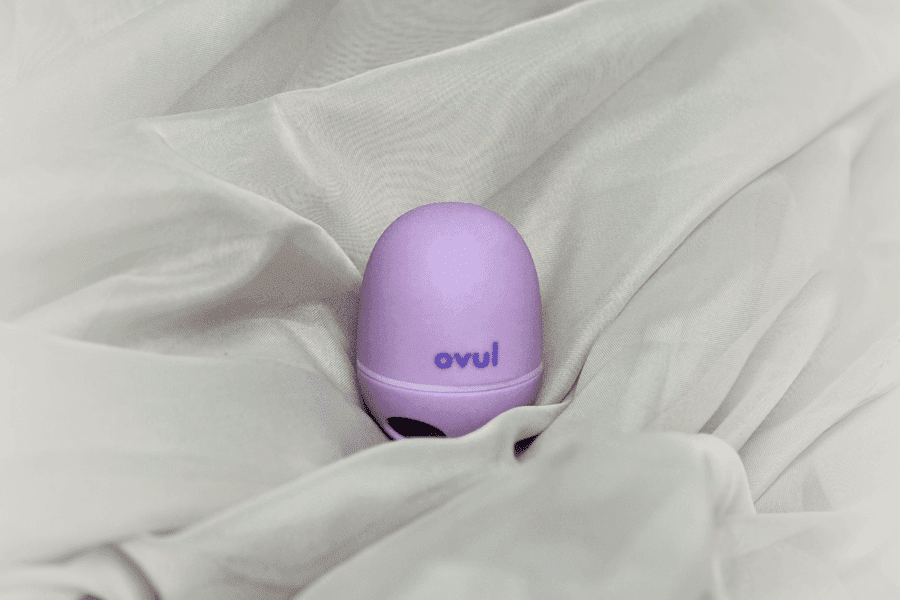
Digital Ovulation Test: Science Meets Simplicity
Track your cycle with lab-grade technology, without discomfort or guesswork.
Track My Cycle Now