Skip links
Menopause nutrition guide

Menopause Nutrition Guide: Biohacking Menopause

Biohacking menopause is rapidly becoming a preferred approach for women looking to take control of their symptoms without relying on prescription hormones. As estrogen (particularly estradiol) begins to decline during perimenopause and menopause, women can experience hot flashes, mood swings, disrupted sleep, and other hormone-related symptoms. But instead of defaulting to hormone replacement therapy, many are exploring natural, evidence-based strategies to support hormonal balance and overall well-being. 

Why Daily Estrogen Tracking Changes Everything

So how do you know which of these strategies is working for you?

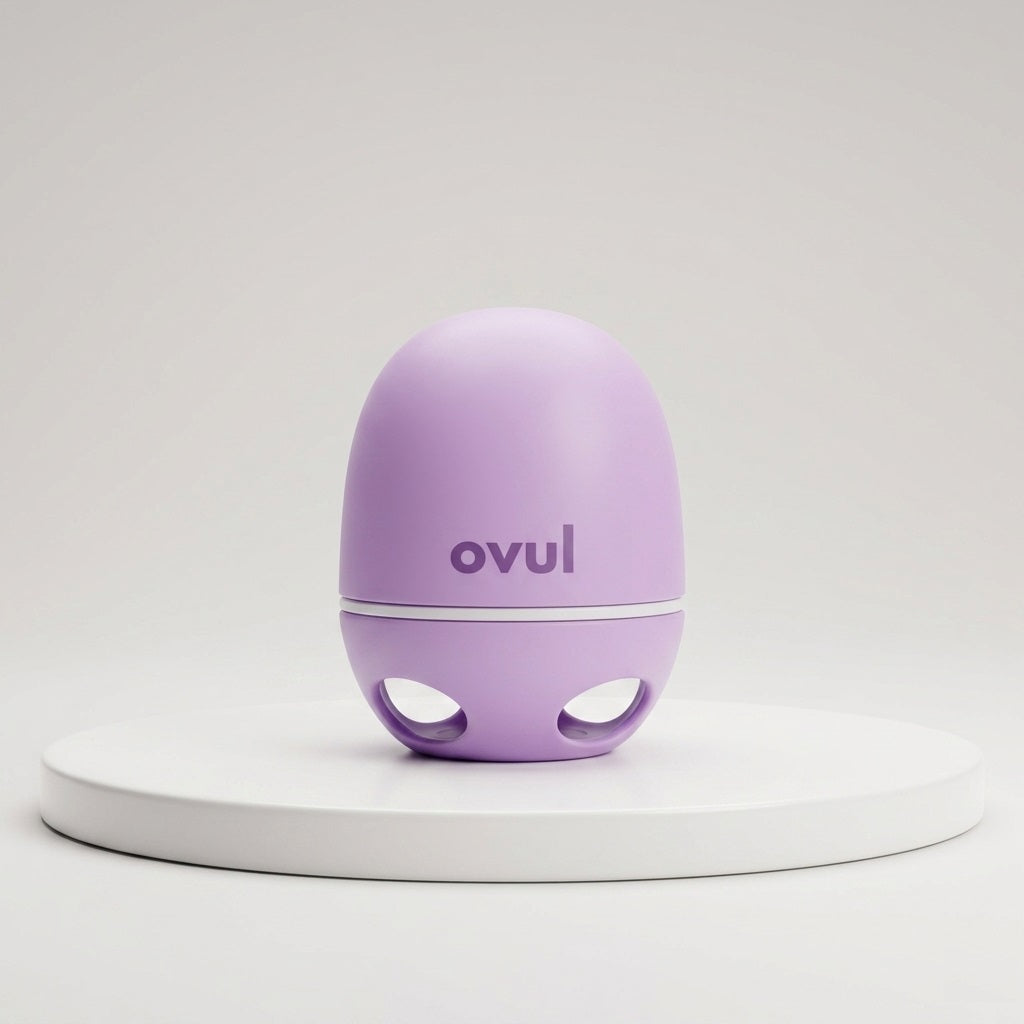
This is where Ovul comes in.

With Ovul, you can see changes in your estrogen trend every day. One drop of saliva gives you a real time view of what your hormones are doing. Instead of guessing, you get a clear picture of your body’s response over days, weeks, and months. You can:

Unlike a one-time blood draw (which only captures a single moment), Ovul helps you:

  • See how supplements or food changes impact your hormones
  • Notice if sugar, poor diet, or skipped meals are pulling your estrogen down
  • Track progress from interventions like improved sleep or stress relief
  • Understand your hormonal “ups and downs” over days, weeks, and months
  • Connect symptoms like hot flashes or mood swings to estrogen trends

It’s empowering, educational, and easy. You’ll no longer wonder if something is working – you’ll see it happening.


What Is a Hormone Test and Why It's Important

  1. Choose one intervention: Adding maca, increasing flax, or changing your sleep routine.
  2. Track daily with Ovul: Monitor estrogen changes over time. Log spikes, improvements or imbalances.
  3. Log your symptoms: Connect the dots between symptoms, nutrition, exercise and test results.
  4. Review trends: Keep what works – drop what doesn’t.
  5. Adjust gradually: You’re building your own custom hormone playbook.

You don’t need to overhaul everything overnight. You just need data, consistency, and curiosity.

To better understand what works, we reviewed human clinical trials and peer-reviewed reports on herbs, nutrients, functional foods, and dietary interventions aimed at easing menopause symptoms, restoring menstrual function, or improving estrogen levels. Our Menopause Nutrition Guide summarizes the most studied categories, including key randomized controlled trials (RCTs), targeted nutrients, and real-world outcomes. 

  • Herbs/Adaptogens: Black cohosh, sage, licorice, St. John’s Wort, maca, etc.
  • Phytoestrogens & Functional Foods: Soy isoflavones, flaxseed lignans, red clover, whole soy foods.
  • Vitamins/Minerals: Vitamin E, B6, D, calcium, omega-3, etc.
  • Dietary Patterns: Mediterranean diet, low-fat vegan with soy, ketogenic (few data), overall diet.
  • Menstrual Restoration: Focus on underweight or hypothalamic amenorrhea – increasing energy intake or correcting deficits.

Each section highlights key human studies (mostly RCTs) and outcomes (hot flash frequency, severity or hormone levels). Where possible we note populations (peri- or postmenopausal).

Best Herbal Supplements and Botanicals for Menopause

Below we’ve researched and organized the best herbal supplements and botanicals to biohack menopause at home. 

Black Cohosh (Cimicifuga racemosa): Multiple RCTs in menopausal women show significant improvement in vasomotor symptoms. For example, in an 8-week trial of early postmenopausal women (using dried root extract ~6.5 mg/day), Greene Climacteric Scale scores (total and subscales) fell significantly vs placebo. Likewise, in an RCT of 84 postmenopausal women, black cohosh capsules halved both frequency and severity of hot flashes by 4–8 weeks (versus no change in placebo). Its efficacy is comparable to mild estrogen in some studies. Black cohosh is generally well tolerated; no uterine stimulation was seen in trials.

87da5843 c757 4fbd 802e 6621f48f1737

Menopause Age Calculator (Greene Climacteric Scale)

Sage (Salvia officinalis)

Dosing details:
Form: Dried root extract
Typical dose: ~6.5 mg per day
Duration: 4 to 8 weeks
Results: ~50 % reduction in hot flash frequency and severity

In a multi-center open-label trial of 69 women with ≥5 hot flushes per day, standardized fresh sage leaf (1× daily) reduced the total hot-flush intensity score by ~50 % at 4 weeks and 64 % by 8 weeks. Severe flushes decreased by 79–100 %. Menopause Rating Scale (MRS) scores (somatic, psychological, urogenital) also improved. This provides the first clinical evidence of sage’s benefit in menopause.
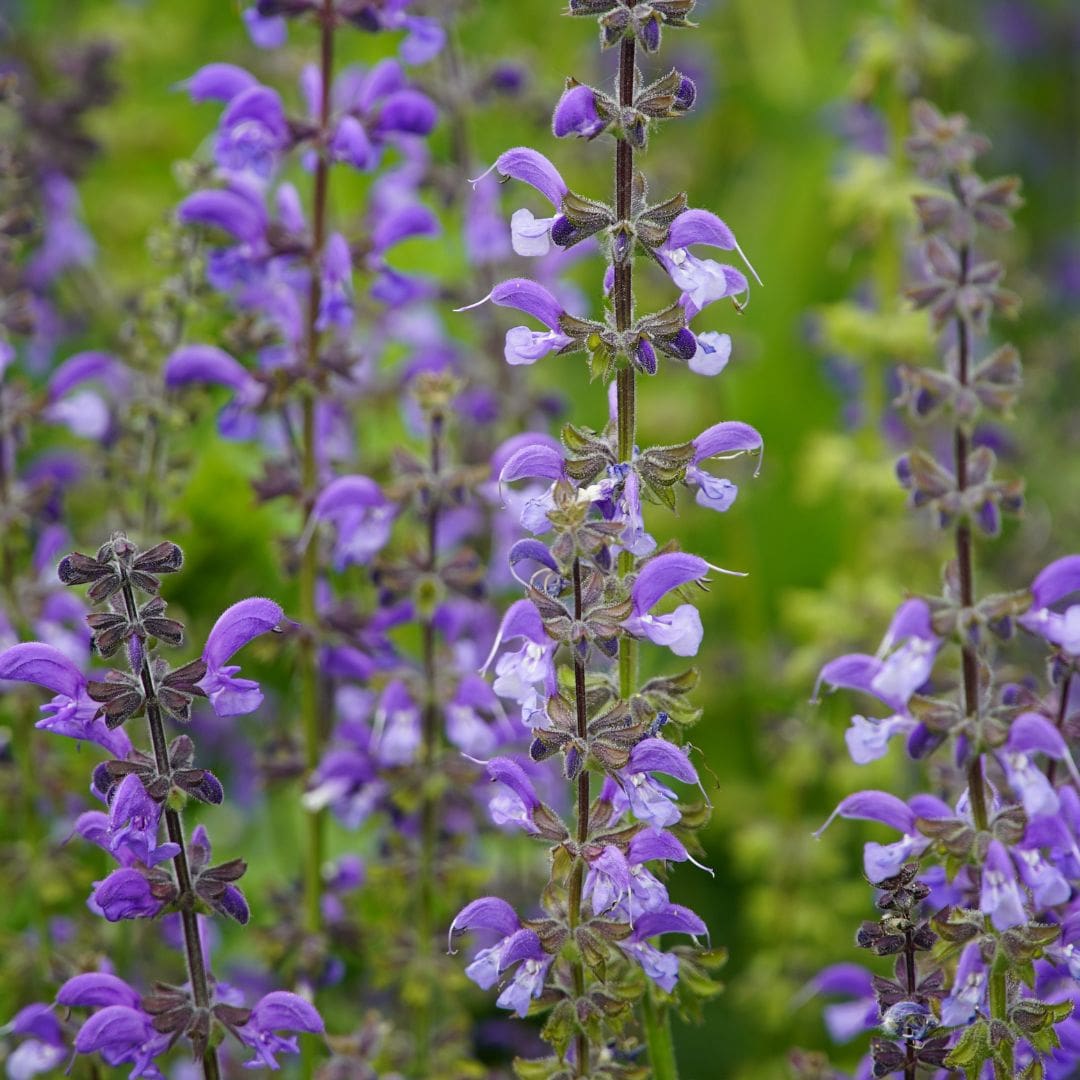
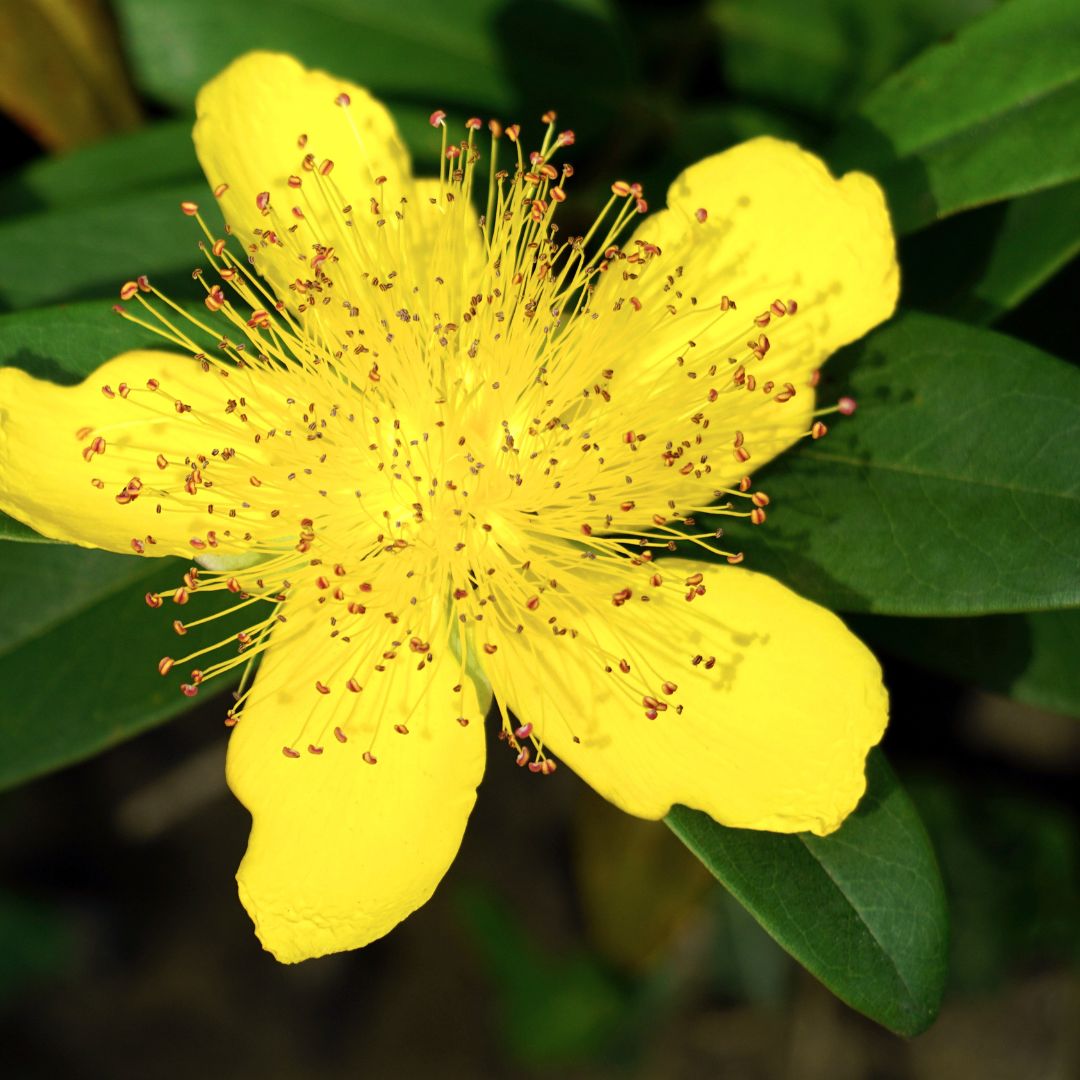
Sage (Salvia officinalis)
St. John’s Wort (Hypericum perforatum)

St. John’s Wort (Hypericum perforatum)

Dosing details:
Form: Standardized fresh sage leaf (liquid or tablet)
Typical dose: 1 serving daily
Duration: 4–8 weeks
Results: ~50–64 % reduction in hot flash intensity; ~80–100 % drop in severe flushes

Traditionally used for mood support, St. John’s Wort also reduced vasomotor symptoms. In an 8-week double-blind RCT of 100 peri- and postmenopausal women (Iran), the extract significantly outperformed placebo (p < 0.005). Hot-flash frequency and severity declined more in the SJW group by week 8. Authors concluded that St. John’s Wort “can be used as an effective treatment for the vasomotor symptoms of menopause.”

Licorice (Glycyrrhiza glabra)

Dosing details:
Form: Licorice root powder or standardized extract
Typical dose: ~990 mg per day
Duration: 8 weeks
Results: Reduced hot flash frequency and severity; benefits waned after stopping

In an RCT of 90 Iranian menopausal women (average age ~53 years), licorice root powder (~990 mg/day for 8 weeks) significantly reduced both frequency and severity of hot flashes compared with placebo. Symptoms returned after discontinuation. Researchers concluded that licorice “decreased the frequency and severity of hot flashes” and recommended it as a “harmless, inexpensive relief option.” Its estrogen-like compounds may explain the effect.
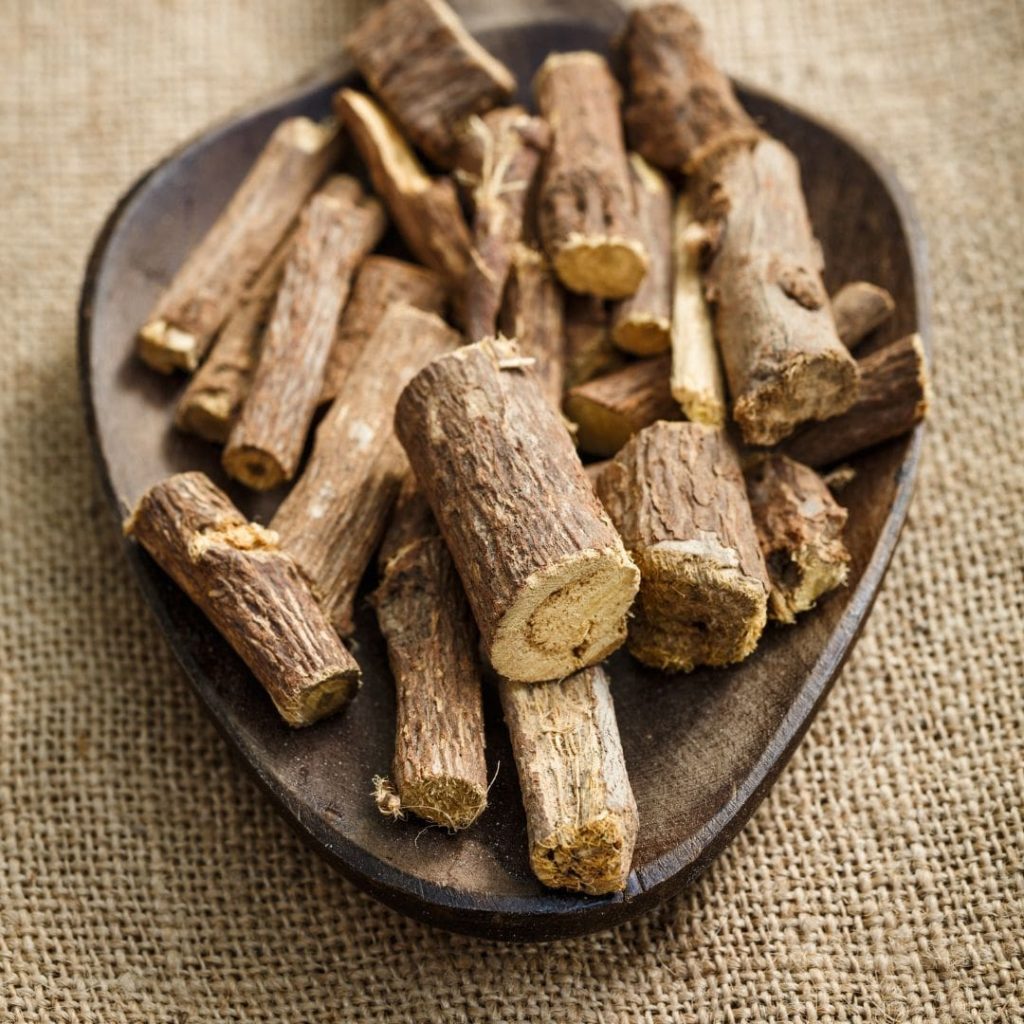
Licorice (Glycyrrhiza glabra)
Ginseng (Panax ginseng)

Ginseng (Panax ginseng)

Dosing details:
Form: Korean red ginseng extract or powder
Typical dose: 2 to 3 grams per day
Duration: 8 to 12 weeks
Results: Improved fatigue, sleep, and mood; no major effect on hot flashes

Two clinical trials found that Panax ginseng did not significantly reduce hot flashes but did improve other symptoms such as fatigue, insomnia, and depression. Korean red ginseng (2–3 g/day) showed no change in vasomotor scores, yet modest improvement in energy and mood. Thus, ginseng may support well-being rather than directly affect hot flashes.

Evening Primrose Oil (Oenothera biennis)

Dosing details:
Form: Evening primrose oil capsule (standardized for gamma-linolenic acid)
Typical dose: 500–1,000 mg twice daily (as used in trials)
Duration: 8 weeks
Results: No significant effect on hot flash frequency or severity

Despite its popularity, an RCT found no difference between evening primrose oil and placebo in reducing hot flash frequency or severity. Current evidence does not support its use for vasomotor symptoms in menopause.


Evening Primrose Oil (Oenothera biennis)

Dong Quai (Angelica sinensis)

Dosing details:
Form: Dong quai root extract or powder
Typical dose: Up to 1 gram per day (standardized extract)
Duration: 8 to 12 weeks
Results: No significant change in hot flash frequency or severity

Although widely used in traditional Chinese medicine, clinical evidence for dong quai alone is weak. A placebo-controlled trial found no difference in hot-flash frequency or intensity and no uterine stimulation. It is often combined with other herbs, but its isolated effect appears minimal.

Dong Quai (Angelica sinensis)
4

Maca (Lepidium meyenii)

Dosing details:
Form: Maca-GO gelatinized root powder or capsule
Typical dose: 2 grams per day
Duration: 2 months
Results: ↑ Estradiol levels, ↓ FSH, and fewer hot flashes and night sweats

A systematic review found four RCTs (perimenopausal and early postmenopausal women) where maca significantly improved menopausal symptom scores vs placebo. In one trial of early postmenopausal women (2 g/day Maca-GO for 2 months), serum estradiol rose (p < 0.05), FSH fell, and Greene symptom scores decreased — particularly hot flashes and night sweats. Overall, maca “balanced hormone levels and relieved menopausal discomfort.”

Table 1. Herbal supplements and botanicals studied in menopausal women.

Herb / ProductPopulation / DesignEffects on SymptomsReference(s)
Black cohoshEarly-postmenopausal women, RCT (8 wk)↓ Greene score (vasomotor, psych, physical); ↓ hot flashes frequency (another RCT: ~50% ↓ hot-flash severity vs placebo.pubmed.ncbi.nlm.nih.gov jcs.tbzmed.ac.ir
Sage (Salvia)Postmenopausal women, open trial (8 wk)50–64% reduction in hot-flush intensity score by 4–8 wk; ↓ mild/mod/severe flushes; improved total MRS.pubmed.ncbi.nlm.nih.gov
St. John’s WortPeri/postmenopausal women, RCT (8 wk)Significantly greater drop in hot flash frequency, duration, and severity than placebo by 8 wk.pubmed.ncbi.nlm.nih.gov
Licorice rootPostmenopausal, RCT (8 wk)↓ Hot flash frequency and severity vs placebo (significant reductions). “Harmless, inexpensive” relief.pubmed.ncbi.nlm.nih.gov
Maca (Lepidium)Early-postmenopausal, RCT (2 g/day)↑ Estradiol, ↓ FSH; improvement in Greene/Kupperman scores (esp. hot flashes)pdfs.semanticscholar.org
Ginseng (Panax)Menopausal women, RCTsNo change in hot-flash scores; some improvements in fatigue, insomnia, depressionpmc.ncbi.nlm.nih.gov
Evening primrose oilPostmenopausal, RCTNo difference from placebo on hot flash reductionpmc.ncbi.nlm.nih.gov
Dong quaiPostmenopausal, RCTNo effect on hot flushes (vs placebo)pmc.ncbi.nlm.nih.gov

Best Phytoestrogens & Functional Foods for Menopause

Phytoestrogens and functional foods like soy, flaxseed, and red clover offer plant‑based support that may help balance estrogen and reduce hot flashes, mood swings, during perimenopause and menopause.

  • Soy Isoflavones for Menopause: Despite widespread use, large trials give mixed results. In a 2-year RCT (n≈250) of women within 5 years of menopause given 200 mg/day soy isoflavones vs placebo, no improvements in bone density or menopausal symptoms were seen; in fact, more women on soy reported hot flashes and constipation A systematic review/meta-analysis likewise finds soy’s vasomotor benefit modest and inconsistent
  • Red Clover Isoflavones for Menopause: In contrast, some red-clover extracts appear more promising. A 12-week trial of a purified red clover isoflavone supplement (80 mg/day) showed a 44% reduction in hot-flash frequency in the treatment group (versus no change on placebo). At study end, hot flashes were 44% lower on red clover vs placebo. Thus red-clover isoflavones (e.g. Promensil) significantly outperformed placebo on hot-flush counts. (Meta-analyses suggest overall phytoestrogens modestly reduce flush frequency without serious side effects.)
  • Flaxseed (Lignans) for Menopause: Flaxseeds contain lignans (enterolignans) which weakly bind estrogen receptors. An open-label pilot (n=30) found 6 weeks of 40 g/day flaxseed significantly reduced hot-flash score by 57% and frequency by 50% (from ~7 to ~3.6/day). However, a larger RCT with 25 g flax muffins (≈50 mg lignans) for 16 weeks found no significant effect on overall menopausal quality-of-life or hot flash frequency vs control. Thus flaxseed may help some women but controlled trials are inconclusive.
  • Whole Soy Foods for Menopause: Diets rich in soy show better results than pills. In the WAVS trial, postmenopausal women randomized to a low-fat vegan diet + ½ cup cooked soybeans daily (versus no change) saw hot flashes drop 79% (vs 49% in control) and 59% of the diet group became free of moderate/severe flashes. Quality-of-life scores (vasomotor, psychosocial, etc.) improved significantly in the diet group. This suggests that whole-food soy (plus a healthy diet) can markedly ease vasomotor symptoms.
  • Other Phytoestrogens for Menopause: Observationally, higher intake of vitamin B6 and oily fish correlated with milder hot flashes in one study (not a controlled trial). Some fermented foods or lignan-rich foods may influence estrogen metabolism via gut microbiota, but clinical data are sparse.
Gemini Generated Image u6qypdu6qypdu6qy min

Menopause Stage Indicator

Table 2. Phytoestrogens and functional food trials.

Intervention

Population / Design

Effects on Symptoms/Hormones

Soy isoflavone tablets (200 mg/day)

Postmenopausal women (2-yr RCT)

No reduction in hot-flash frequency (placebo-like); more hot flashes reported on soy; no bone benefit.

Red clover isoflavones (80 mg/day)

Postmenopausal, RCT (12 wk)

44% reduction in hot-flush frequency vs baseline; significant difference vs placebo at 12 wk

Flaxseed (40 g/day, open-label)

Peri-/postmenopausal (pilot)

Hot flash score ↓57%, frequency ↓50% over 6 wk (RCTs with flax muffins showed no significant hot-flash benefit.

Low-fat vegan + whole soy

Postmenopausal (12 wk RCT)

Hot flashes ↓79% vs 49% in controls; 59% became free of moderate/severe flashes; QoL improved (vasomotor, psychosocial, etc.)

Myo-inositol (in PCOS)

(Not covered here)

Insulin sensitizer in PCOS, restoring ovulation/cycles; see PCOS reviews.

Gut microbiota (pro/prebiotics)

Postmenopausal (theoretical)

Gut flora helps reabsorb estrogen via β-glucuronidase; modulating microbiome (e.g. probiotics) may improve estrogen levels.

Best Vitamins and Supplements for Menopause

Vitamin E for Menopause

A small clinical study found that vitamin E may help reduce hot flashes and make them less intense. Women who took it daily for several weeks reported fewer and milder hot flashes compared with those on placebo. While newer reviews question the strength of this early evidence, vitamin E is still considered one of the more promising natural options.

Dosing details:

  • Amount: 400 IU per day
  • Duration: 4 weeks
  • Results: Average daily hot flashes dropped from 5.00 to 3.19 (compared with 2.37 to 1.80 for placebo)

Vitamin E

Vitamin B6 for Menopause

Vitamin B6 may play a subtle but supportive role in managing menopause symptoms. Women who consume more B6‑rich foods tend to report fewer severe hot flashes. This vitamin also supports energy production and mood balance, both of which can dip during menopause.
Dosing details:

  • Amount observed in study:  Every 10 µg of B6 per megajoule (MJ) of energy intake was associated with ~8 % lower odds of severe hot flashes
  • Food sources: Whole grains, fish, poultry, bananas, and potatoes
Vitamin B6

Vitamin D and Calcium for Menopause

 These nutrients are essential for strong bones and healthy immune function but haven’t shown much benefit for hot flashes or night sweats. Long‑term studies found no difference in menopause symptoms among women who supplemented daily. However, higher weekly doses of vitamin D may support vaginal health and comfort.
Dosing details:

  • Women’s Health Initiative: 1,000 mg calcium + 400 IU vitamin D daily for ~6 years (no effect on hot flashes)
  • High‑dose trial: 40,000 IU vitamin D per week improved vaginal dryness and pH (but not hot flashes)


SUPPLEMENTS AND FOODS FOR MENOPAUSE

Omega‑3 Fatty Acids for Menopause

Omega‑3s are widely known for heart and brain benefits, and they may also help improve mood or inflammation. However, their ability to reduce hot flashes hasn’t been proven. One randomized trial found no meaningful difference in hot flash frequency or intensity compared to placebo.
Dosing details:

  • Typical study range: 1–3 grams of omega‑3 fatty acids per day
  • Duration: Several weeks to months

Outcome: No significant change in hot flash frequency or severity

Omega-3

Best Diets and Lifestyle Patterns for Menopause

  • Mediterranean-Style Diet for Menopause: Observational studies link greater MD adherence to fewer menopausal symptoms. For example, one Iranian study reported that higher Mediterranean Diet scores (rich in fruits, vegetables, legumes, olive oil, nuts, fish) were associated with lower vasomotor and overall symptom scoresMechanisms may include anti-inflammatory and antioxidant effects of the diet. A meta-analysis notes MD’s phenolics could relieve hot flashes. However, evidence is not conclusive (an Australian cohort found no overall association, though reduced sugar/meat intake improved some complaints. In summary, a balanced Mediterranean-style diet may help by mitigating inflammation and supporting healthy weight, both of which can lessen menopausal symptoms. 
  • Low-Fat Vegan Diet + Soy for Menopause: As above, the WAVS trial demonstrated that switching to a very low-fat, high-vegetable diet including daily whole soybeans dramatically cut hot flashes and improved quality of life. Weight loss on such a diet may also contribute to symptom relief (especially in obese women). Other small studies suggest plant-based diets reduce vasomotor complaints, but this is the strongest RCT evidence.
  • Ketogenic / Low-Carb Diets for Menopause: There is little direct human data on keto or very low-carb diets for menopause. Theoretical benefits include weight loss and reduced insulin (which could indirectly modulate hormones). One review of female reproductive health notes ketogenic diets can improve metabolic health (PCOS, fertility). Some women report fewer hot flushes on keto (possibly due to weight loss), but no RCTs have tested it in menopausal women.

Other Diets for Menopause: Extremely low-fat (<15% calories) or low-estrogen diets tend to lower serum estradiol, which is the opposite of balancing. Diets rich in lignans (flax), phytoestrogens (soy, legumes), or probiotics may modulate estrogen metabolism (via the gut). Overall, maintaining a nutritious diet with sufficient calories/fat is advisable to support hormone levels and prevent bone loss during menopause.

1 3 e1760361460266

Estrogen & Estradiol Test at Home

News and blog

Latest Posts

FREE APPS

Free Period Tracker Apps – Start Free, Unlock Premium

Leave a comment