Understanding the Menopause Transition
The journey through menopause unfolds in distinct stages, beginning long before your final period. Understanding these phases helps make sense of the body changes you'll experience along the way.
What is perimenopause?
Perimenopause marks the beginning of your menopausal journey. This transition phase occurs as your ovaries gradually produce less estrogen and progesterone. During this time, your body starts preparing to end its reproductive years. The most noticeable early sign is typically irregular menstrual cycles, though you might also experience hot flashes, trouble sleeping, and vaginal dryness. I find it helpful to think of perimenopause as a rehearsal for menopause. Your hormone levels rise and fall unevenly, which explains why you might feel fine one day and overwhelmed by symptoms the next. Despite these fluctuations, it's important to note that pregnancy remains possible during perimenopause.
How long does the transition last?
The timeline varies significantly from woman to woman. Generally, perimenopause begins in your mid-40s, though it can start as early as your mid-30s or as late as your mid 50s. For most women, the average length of perimenopause is about four years, although it can last anywhere from a few months to eight years.
Furthermore, research indicates that women who begin perimenopause earlier tend to experience a longer transition period. A notable study called SWAN (Study of Women's Health Across the Nation) found that Black women typically experience longer perimenopause than white, Chinese, and Japanese women.
What signals the end of menopause?
The clearest signal marking the end of menopause is straightforward: 12 consecutive months without a menstrual period. This milestone indicates you've officially reached menopause and are entering the postmenopausal stage.
At this point, your ovaries have essentially stopped releasing eggs, and estrogen production has declined substantially. While the cessation of periods is the definitive marker, other signals include stabilizing hormone levels and gradually diminishing symptoms.
Healthcare providers can confirm this transition through hormone level testing, which typically shows elevated follicle-stimulating hormone (FSH) and decreased estradiol levels. Once you've reached this milestone, you're considered postmenopausal for the remainder of your life.

Hormonal and Physical Changes to Watch For
Your body's internal chemistry undergoes dramatic shifts as you progress through menopause. Understanding these hormonal patterns can help pinpoint where you are in your journey.
Drop in estrogen and progesterone
As menopause approaches, your ovaries produce less estrogen and progesterone. These hormones control your menstrual cycle, with estrogen also influencing how your body uses calcium and maintains cholesterol levels. Initially, these levels fluctuate unpredictably before steadily declining. Consequently, by postmenopause, estrogen typically falls below 100 pmol/L from pre-menopausal levels of 45-854 pmol/L. The most noticeable symptoms often appear toward the end of perimenopause when estrogen sharply declines.
Rise in FSH and LH levels
As estrogen decreases, your brain signals for more follicle-stimulating hormone (FSH) and luteinizing hormone (LH) to stimulate your ovaries. Since fewer follicles remain to respond, these hormones accumulate in your bloodstream. Notably, an FSH level above 30 mIU/mL typically indicates menopause. Throughout the transition, FSH and estrogen show a negative correlation—as one rises, the other falls. These hormone levels can fluctuate considerably, especially during perimenopause, making monthly testing sometimes necessary.
Changes in menstrual cycle
The clearest early signal of perimenopause appears in your menstrual cycle. Initially, you might notice a persistent difference of seven or more days between consecutive cycles. Subsequently, as you approach late perimenopause, cycles become more unpredictable—longer, shorter, heavier, lighter, or completely skipped. Eventually, amenorrhea lasting 60 days or more signals late transition, typically occurring about two years before your final period.
Hot flashes and night sweats
Up to 80% of women experience these vasomotor symptoms. Each hot flash typically lasts 1-5 minutes, characterized by sudden warmth, particularly in your face, neck, and chest. These occur when falling estrogen disrupts your body's temperature regulation center (hypothalamus). Night sweats—hot flashes during sleep—can significantly disrupt rest, potentially increasing depression risk tenfold.
Mood swings and fatigue
The same hormones controlling your menstrual cycle influence serotonin, affecting your emotional well-being. In fact, about 40% of women experience mood symptoms during perimenopause similar to PMS. Unlike PMS, nevertheless, these symptoms may appear randomly rather than with your cycle. Sleep disruption from night sweats often compounds fatigue and mood issues.
Mood swings and fatigue
The same hormones controlling your menstrual cycle influence serotonin, affecting your emotional well-being. In fact, about 40% of women experience mood symptoms during perimenopause similar to PMS. Unlike PMS, nevertheless, these symptoms may appear randomly rather than with your cycle. Sleep disruption from night sweats often compounds fatigue and mood issues.
How to Know You’ve Reached Menopause
12 months without a period
First and foremost, the medical definition of menopause is straightforward: you've reached menopause when you've gone 12 consecutive months without any menstrual bleeding. This is the gold standard criterion used by healthcare providers worldwide. Once you cross this threshold, you're officially in postmenopause.
Reduction in symptom intensity
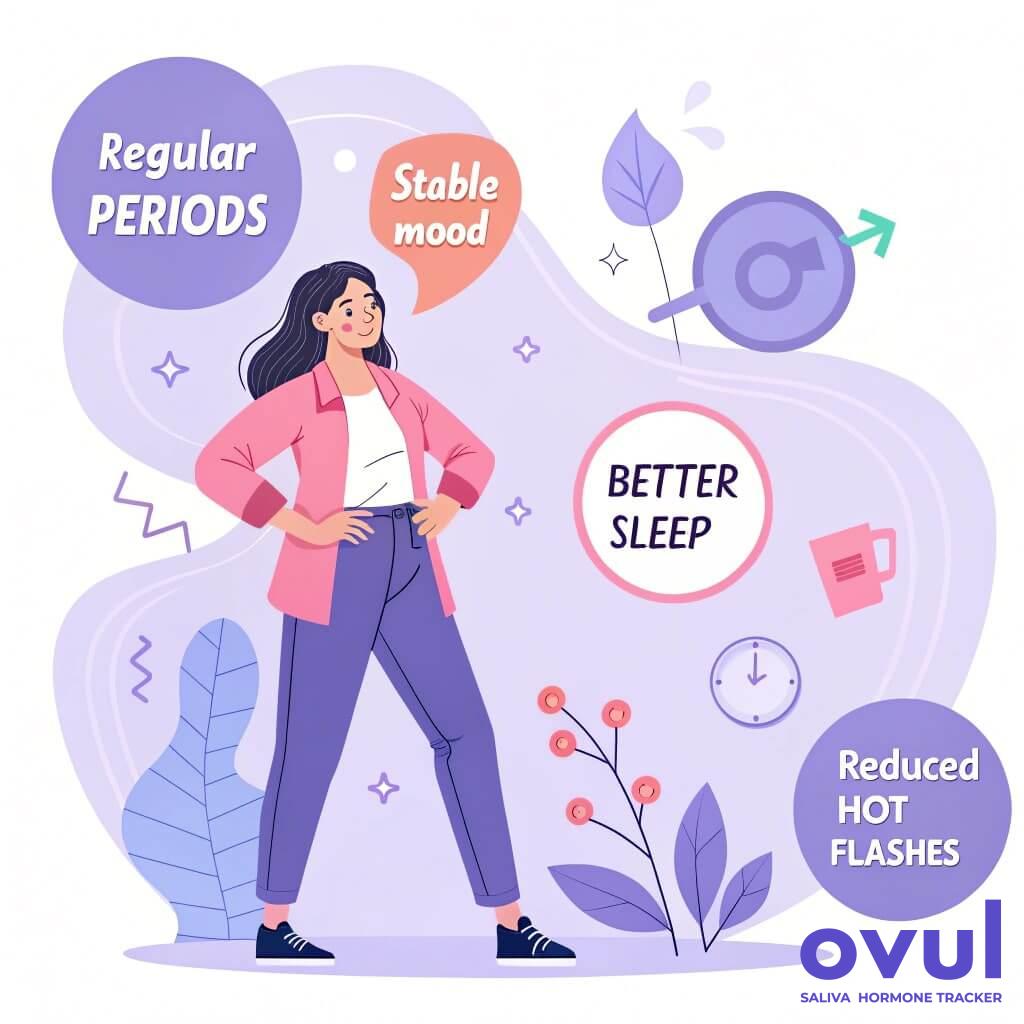
As you approach the end of menopause, many symptoms typically begin to subside. Hot flashes and night sweats often become less frequent and less intense. Mood swings may stabilize, and sleep disruptions might decrease. Nevertheless, some women experience lingering symptoms into the postmenopausal years, specifically vaginal dryness and changes in sexual function, which may require ongoing management.
Tracking hormone levels at home
For those seeking more concrete evidence, home testing kits now make it possible to monitor your hormone levels. These tests typically measure follicle-stimulating hormone (FSH) in urine samples. An elevated FSH level can indicate diminished ovarian function consistent with menopause. Still, remember that hormone levels can fluctuate considerably during perimenopause, making a single test result less reliable than repeated measurements over time.
GET A FREE 12 MONTH SUBSCRIPTION Play VideoWhen to consult a doctor
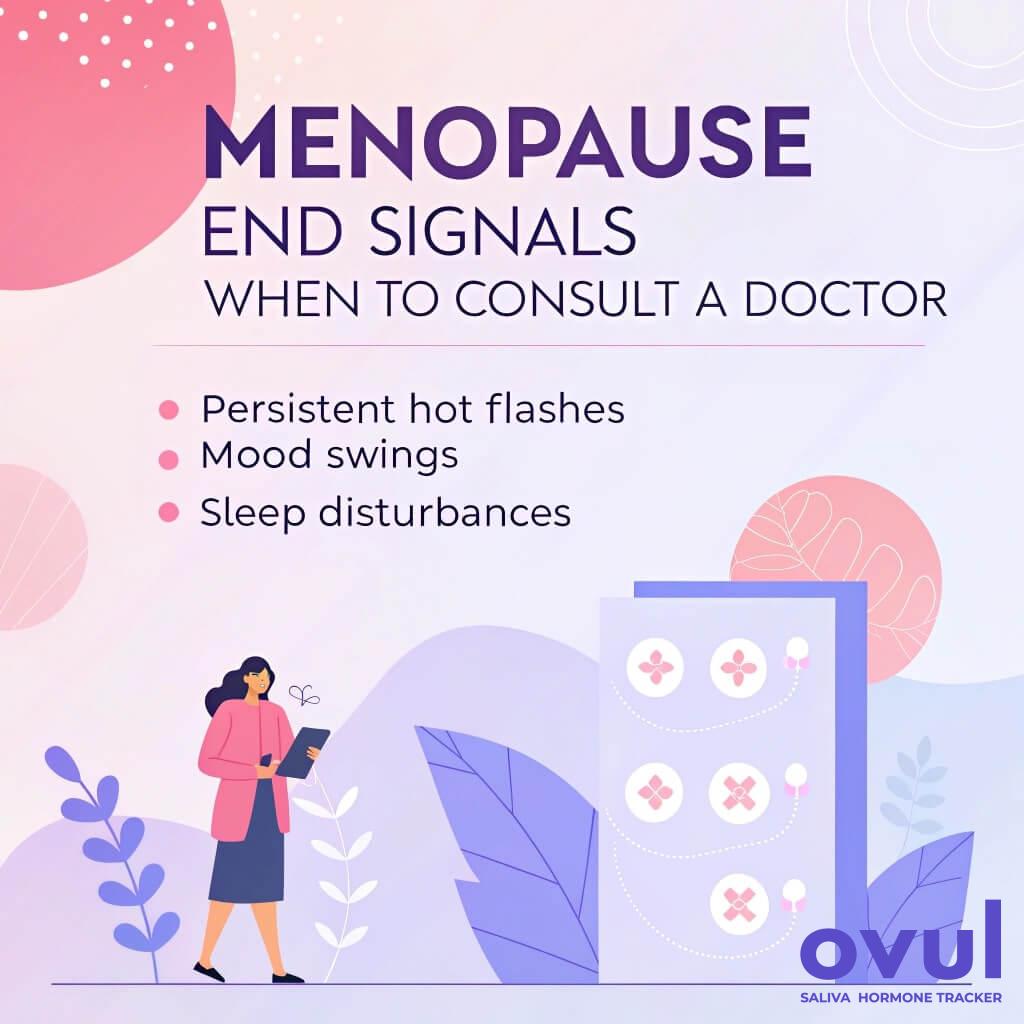
Ultimately, consulting with your healthcare provider remains important for several reasons. They can:
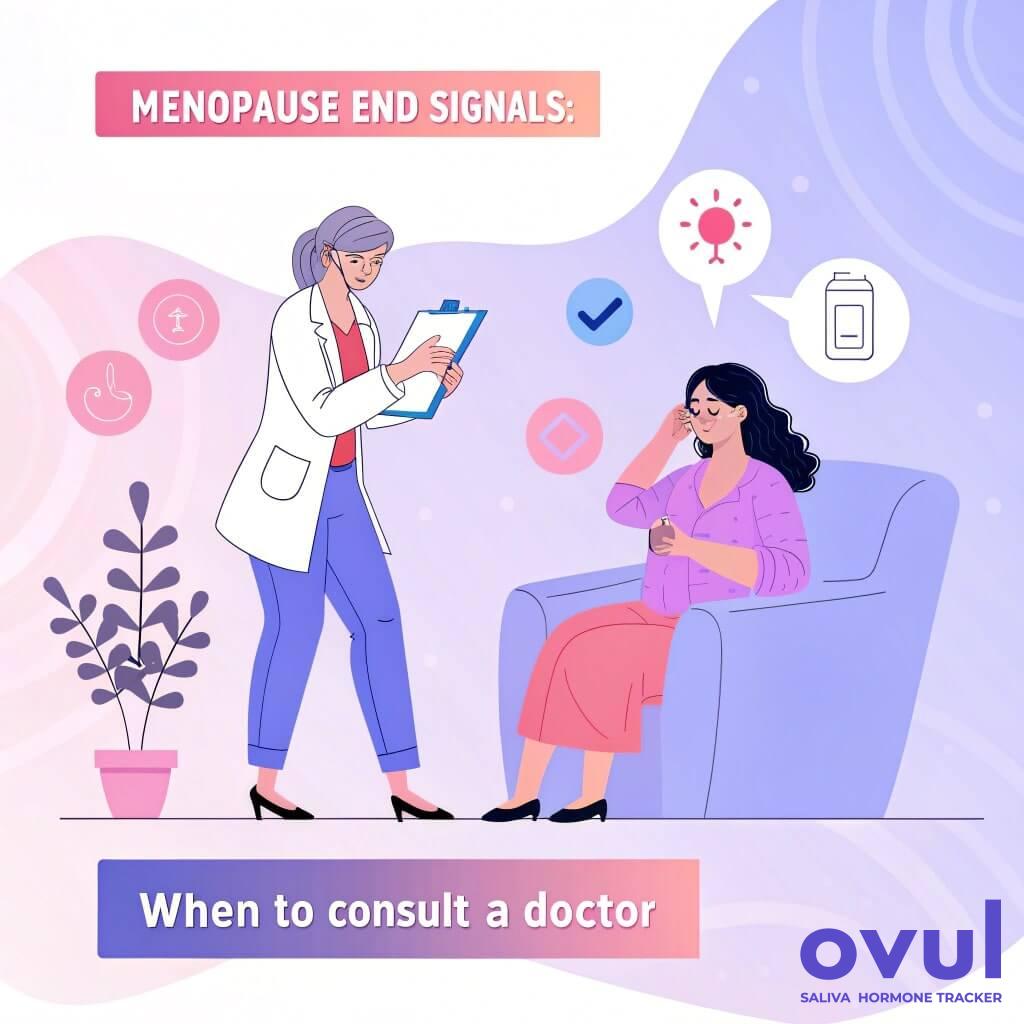
Confirm you've reached menopause through blood tests measuring FSH and estradiol levels
Rule out other conditions that might cause menstrual changes
Help manage any persistent or troublesome symptoms
Discuss preventive strategies for postmenopausal health concerns like osteoporosis and heart disease
Additionally, any unusual bleeding patterns after you believe you've reached menopause warrant immediate medical attention, as these could indicate other health concerns requiring investigation.
What Happens After Menopause Ends
Postmenopause marks a new chapter that brings both challenges and opportunities after that final 12-month milestone.
Postmenopausal symptoms that may linger
Even after menopause officially ends, many women continue experiencing symptoms. Remarkably, up to 84% of postmenopausal women struggle with chronic genital, sexual, and urinary symptoms. These include vaginal dryness, painful intercourse, and urinary issues collectively called Genitourinary Syndrome of Menopause (GSM). For some women, hot flashes persist for years—with a median duration of 7.4 years from onset.
Health risks due to low estrogen
The decline in estrogen affects multiple body systems. Bone density loss accelerates to approximately 1-2% annually after menopause, potentially leading to osteoporosis. Moreover, cardiovascular disease risk increases as estrogen's protective effect on arteries diminishes. Estrogen reduction may also impact cognitive function, with some women reporting memory lapses or difficulty concentrating.
Positive changes in mood and sleep
Over time, many women experience welcome improvements. Hot flashes and night sweats often become less intense or disappear completely. Indeed, some women report improved emotional stability once hormonal fluctuations settle. Sleep quality may improve as night sweats diminish, though sleep disorders like sleep apnea become 2-3 times more common in postmenopausal women.
Tips for long-term wellness
To support long-term health:
- Engage in regular exercise to strengthen bones and maintain healthy weight
- Consume a balanced diet rich in essential nutrients
- Consider calcium and vitamin D supplements for bone health
- Maintain regular health screenings and preventive care
The Bottom Line
Navigating through menopause represents a significant journey unique to each woman. Throughout this article, we've explored how our bodies signal the end of this natural transition. The most definitive marker remains 12 consecutive months without a period, though the path to this milestone varies widely among us. Many symptoms gradually subside as we enter postmenopause. Hot flashes become less frequent, mood swings often stabilize, and hormone levels eventually reach a new equilibrium. Despite these improvements, certain challenges like vaginal dryness or bone density concerns might persist, requiring ongoing attention. The hormonal shifts we experience—decreased estrogen and progesterone alongside elevated FSH levels—tell an important story about our changing bodies. These chemical messengers confirm what many of us intuitively sense during this transition. Thankfully, postmenopause also brings welcome relief for many women. The unpredictability of perimenopause ends, sleep quality might improve as night sweats diminish, and a new sense of emotional stability often emerges. Our bodies certainly change after menopause, yet this phase also offers opportunities for renewed focus on health and wellness. Regular exercise strengthens our bones, nutritious eating supports overall health, and preventive healthcare helps address potential concerns before they become serious. Understanding these signals allows us to work with our bodies rather than against them. While each woman's experience differs, recognizing these patterns helps us navigate this transition with greater confidence. Menopause certainly marks an end to one phase of life, but it equally represents the beginning of another potentially fulfilling chapter.
Menopause End Signals
Frequently Asked Questions
How do I know if I've reached menopause?
The definitive sign of reaching menopause is when you've gone 12 consecutive months without a menstrual period. This marks the end of your reproductive years and the beginning of the postmenopausal stage.
What are the common symptoms during the menopause transition?
Common symptoms include irregular periods, hot flashes, night sweats, mood changes, fatigue, low libido, and vaginal dryness. These symptoms can vary in intensity and duration for each woman.
How long does the menopausal transition typically last?
The menopausal transition, or perimenopause, typically lasts between two to eight years. However, this can vary significantly among women, with some experiencing it for just a few months while others for up to a decade.
Are there any positive changes after menopause?
Yes, many women experience positive changes after menopause. These can include improved emotional stability, better sleep quality as night sweats diminish, and relief from menstrual-related discomforts.
What can I do to support my health after menopause?
To support your health after menopause, engage in regular exercise, maintain a balanced diet rich in essential nutrients, consider calcium and vitamin D supplements for bone health, and keep up with regular health screenings and preventive care.
Still have a question? Contact us?
News and blog
Latest Posts
Serhii Zatsarynin
The Day My Own Ovul Pattern Changed
Serhii Zatsarynin
Hormonal imbalance: causes, symptoms, and diagnosis
Serhii Zatsarynin
Hormone Quiz: How Your Hormones May Be Affecting Your Body
FREE APPS
Free Period Tracker Apps – Start Free, Unlock Premium