Fertility 101 · Free tool
Do I have PCOS? 10 questions, 2 minutes.
Answer 10 short questions to estimate your likelihood of PCOS. This is not a diagnosis — only a doctor can confirm your health status — but it can help you learn what to look for.
By Serhii Zatsarynin · Published September 30, 2025
Do You Have Polycystic Ovary Syndrome (PCOS)?
Wondering how to know if you have PCOS? This quick PCOS quiz is designed to help you spot common symptoms. In just two minutes, the "Do I have PCOS Quiz" can guide you toward understanding whether your experiences match the classic signs of PCOS. While only a doctor can give a true PCOS diagnosis, this quiz can help you learn what to look for.
Core Characteristics of PCOS
PCOS is typically defined by three main characteristics, often called the Rotterdam criteria. A diagnosis is made when at least two of the three are present:
- Irregular or absent ovulation: this leads to irregular menstrual cycles or no periods at all.
- Excess androgens: higher-than-normal levels of "male" hormones like testosterone can cause acne, excess facial or body hair (hirsutism), and hair thinning on the scalp.
- Polycystic ovaries: ovaries that are enlarged and contain multiple small, immature follicles that look like "cysts" on ultrasound. These are not actual cysts — they're eggs that have not matured properly.
Symptoms of PCOS
- Irregular or absent periods
- Difficulty conceiving due to irregular ovulation
- Acne and oily skin
- Excess hair growth on the face, chest, or stomach
- Thinning scalp hair or PCOS hair loss
- Weight gain or difficulty losing weight
- Darkened skin patches (acanthosis nigricans), often on the neck, groin, or underarms
- Mood swings, fatigue, or low energy
Some women even report symptoms of PCOS with regular periods, which can make the condition harder to detect. Elevated estrogen can also play a role, leading to patterns sometimes described as signs of estrogen dominance with PCOS.
What Causes PCOS?
The exact cause is not fully understood, but several factors contribute:
- Genetics: PCOS often runs in families, which suggests a strong hereditary component.
- Insulin resistance: many women with PCOS have difficulty processing insulin, leading to higher insulin levels. This can drive the ovaries to produce more androgens.
- Hormonal imbalance: higher androgens disrupt normal ovulation, leading to irregular cycles and fertility challenges.
Long-Term Health Effects
PCOS is more than just a reproductive health issue. It is linked to increased risk of type 2 diabetes and insulin resistance; high cholesterol and cardiovascular disease; endometrial hyperplasia and, in some cases, increased risk of endometrial cancer; and emotional effects such as anxiety and depression, which are more common in women with PCOS.
PCOS and Fertility
One of the most common concerns is "can you get pregnant with PCOS?" The answer is yes — many women with PCOS conceive naturally or with medical support, but irregular ovulation makes timing more difficult. Treatments range from lifestyle changes to ovulation-inducing medications and assisted reproductive technologies.
At-Home Hormone Monitoring and PCOS
One of the biggest challenges with PCOS is that symptoms vary widely from woman to woman. But underneath these symptoms lies a key hormonal signal: estrogen dominance. In PCOS, the ovaries often produce too much estrogen compared to progesterone. This imbalance can disrupt normal ovulation and lead to irregular or absent periods. Elevated estrogen is now recognized as one of the biomarkers for PCOS, especially when paired with high androgens and insulin resistance.
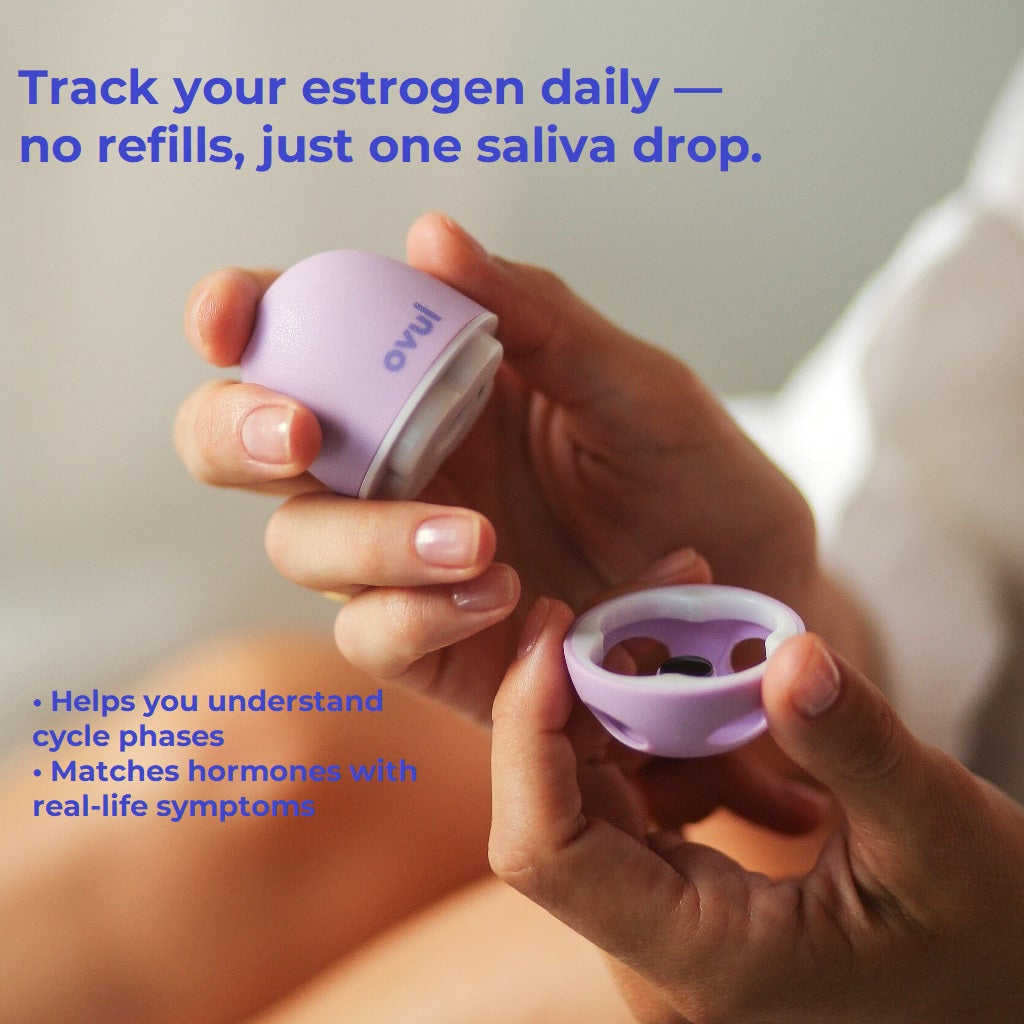
Recent breakthroughs in hormone testing are shining new light on at-home estrogen monitoring with a simple saliva test. Estrogen testing is one of the easiest ways to track your cycle at home, and it is increasingly recognized by medical professionals worldwide as a reliable tool for identifying estrogen imbalance and estrogen dominance.
PCOS questions, answered
Frequently asked questions
Made for PCOS & irregular cycles
Track your real hormones — not a calendar's guess
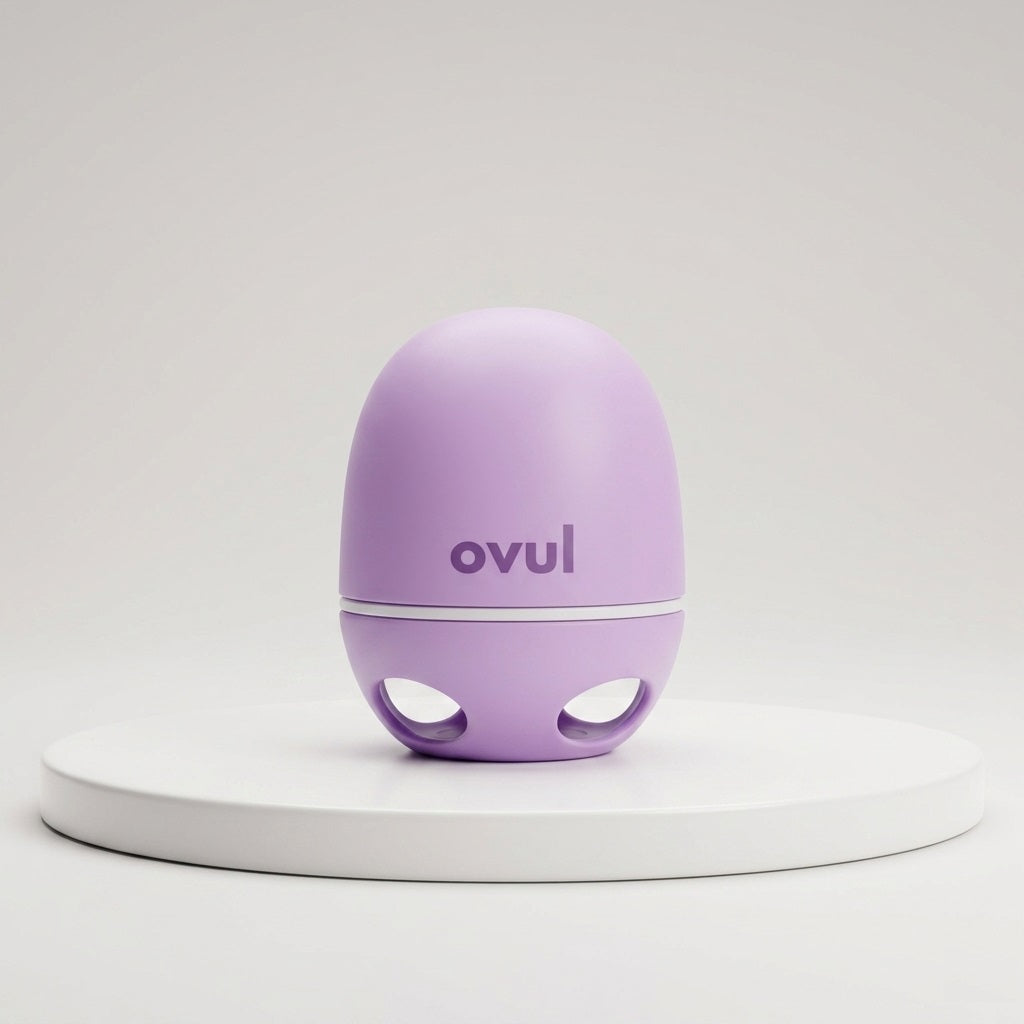
The Ovul monitor helps you easily and effectively track ovulation and estrogen trends from a drop of saliva — ideal for the unpredictable hormone patterns of PCOS. Get one year of unlimited testing.