The Science Behind 8 DPO
Your menstrual cycle has two main stages:
- The follicular phase (days 1–14): begins on the first day of your period. Estrogen rises, the uterine lining thickens, and follicles in the ovaries mature.
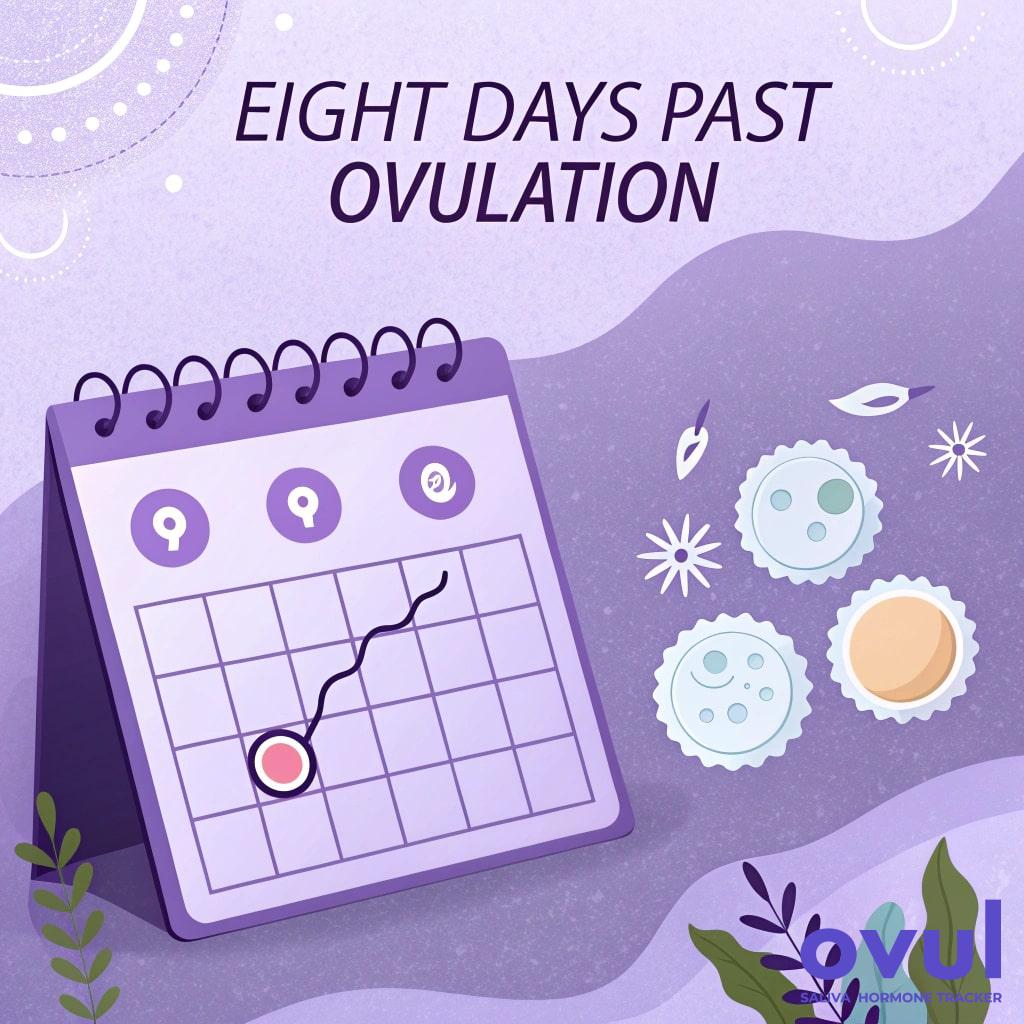
- The luteal phase (days 14–28): starts right after ovulation, when one ovary releases an egg. The empty follicle becomes the corpus luteum, producing progesterone to prepare the uterus for possible implantation.
If fertilization occurs, the developing blastocyst travels down the fallopian tube and typically implants between 6 DPO and 10 DPO. Once attached, the placenta begins forming and secreting human chorionic gonadotropin (hCG) — the hormone detected in pregnancy tests.
But hCG is only one part of the story. Estrogen also matters. After ovulation, estradiol often drops, then may rise again during the middle of the luteal phase. If pregnancy occurs, early hCG helps support the corpus luteum, allowing continued progesterone and estradiol production. We’ll come back to why this matters when we talk about symptoms and testing below.
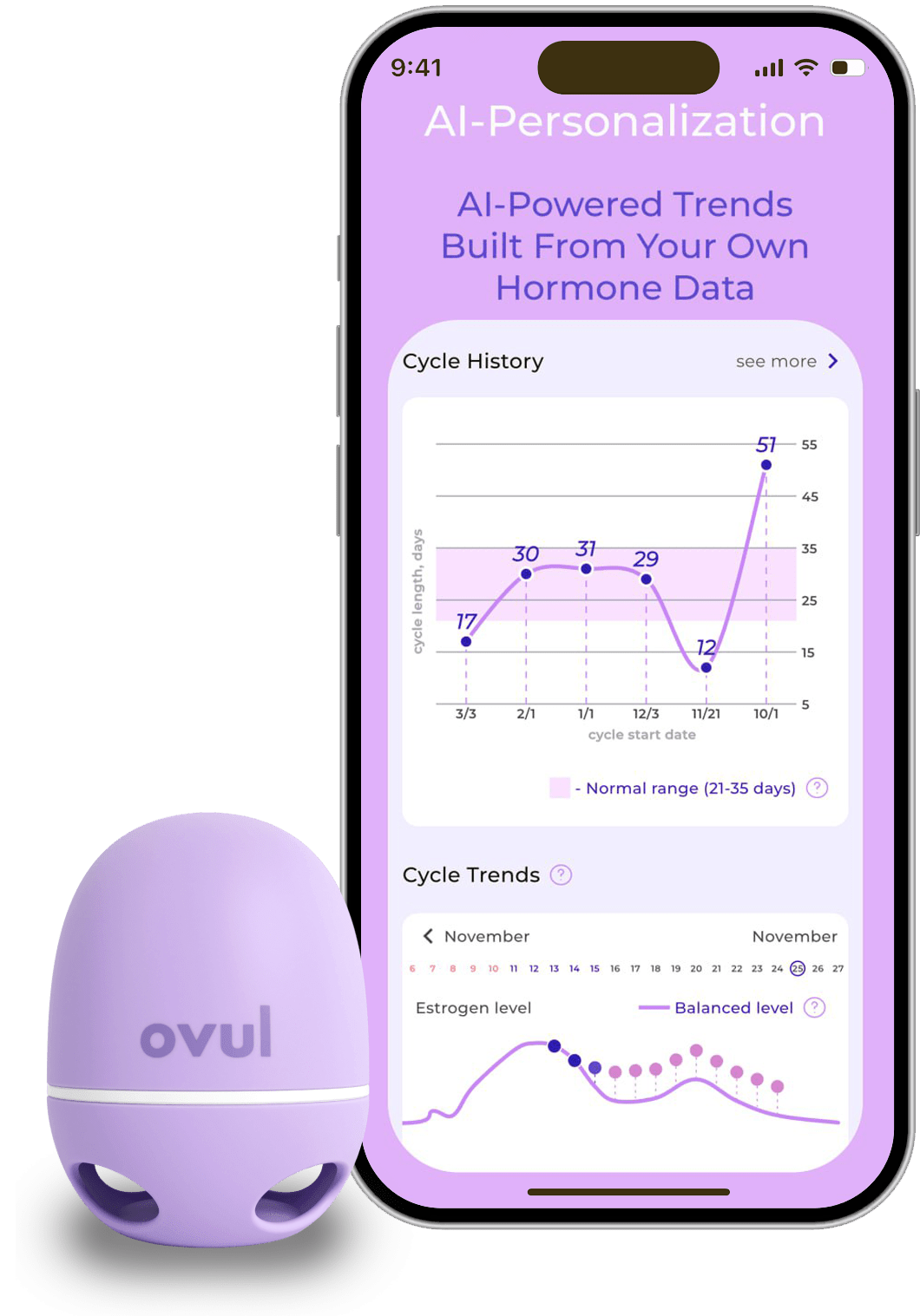
AI Saliva Estrogen Tracking
TRY OVUL TODAY

8 DPO Symptoms — Pregnant or PMS?
Early pregnancy symptoms often resemble PMS, which makes 8 DPO confusing. At this point, implantation may be starting, but hCG is usually still too low for a reliable pregnancy test. This is where estrogen becomes more interesting. Estrogen does not disappear after ovulation. It often drops after the ovulatory peak, then may rise again during the luteal phase. If implantation happens, hCG helps support the corpus luteum, which continues producing progesterone and estradiol.
The science supports the idea that estrogen remains part of the early pregnancy hormone story. In one first trimester study, serum estradiol was higher in normal pregnancies than in pregnancies that ended in miscarriage, with reported estradiol cutoffs of 320 pg per mL at 5 to 6 weeks and 576 pg per mL at 7 to 9 weeks. Ovul helps track estrogen related saliva patterns, which may complement LH and hCG testing by adding more cycle context before and after ovulation.
Cramping and Back Pain
Light 8 DPO cramping may feel like dull period twinges. It may happen around the time implantation begins, but it can also come from progesterone, digestion, or normal luteal phase changes. Estrogen shifts may also make your body feel more sensitive during this window.
Spotting or Implantation Bleeding
Faint pink or brown spotting around 8 to 10 DPO could be implantation bleeding. It is usually lighter than a period and shorter in duration. Still, spotting can also come from hormone changes or an early period. This is why symptoms alone are not enough.
Cervical Mucus Changes
Estrogen and progesterone both affect cervical mucus. After ovulation, progesterone usually makes mucus thicker or creamier. If estrogen rises again in the luteal phase, you may notice changes in texture or moisture. Ovul tracks estrogen related saliva patterns, which can offer another way to understand hormone shifts without needing to decode mucus texture alone.
Heightened Smell, Taste, and Cravings
Some women notice stronger smells, metallic taste, food aversions, or cravings. These can happen with early pregnancy, but they can also come from estrogen and progesterone shifts during the luteal phase.
Frequent Urination
Frequent urination is usually not a reliable pregnancy sign at 8 DPO. It can come from hydration, caffeine, stress, or urinary irritation. After implantation, hCG may eventually contribute to pregnancy related changes, but this usually becomes clearer later.
Breast Tenderness or Swelling
Progesterone and estrogen can both affect breast tissue. Soreness, heaviness, or nipple sensitivity can happen before a period or in early pregnancy. The symptom matters, but the hormone pattern matters more.
Nausea and Indigestion
Progesterone can slow digestion, causing bloating, constipation, gas, or indigestion. Estrogen shifts may also affect appetite and nausea sensitivity. At 8 DPO, these symptoms can feel meaningful, but they are still not pregnancy proof.
Headache and Dizziness
Early estrogen and circulation shifts can trigger headaches or light-headedness. Staying hydrated and eating regularly helps maintain stable blood sugar and prevent faintness.
Mood Swings and Fatigue
Estrogen and progesterone influence mood, sleep, and energy. A mid luteal estrogen rise may affect mood or sensitivity, while progesterone can make you feel sleepy or foggy.
What’s Normal for 8 DPO Discharge?
Hormonal changes drive cervical fluid throughout the cycle. Around ovulation, discharge is usually clear and stretchy like egg white. After ovulation, it often becomes creamy, white, sticky, or drier.
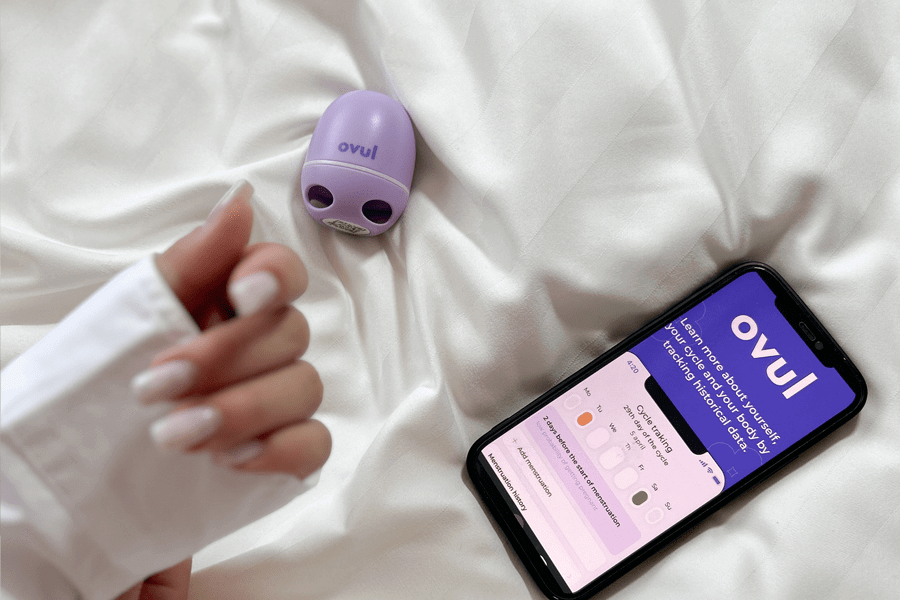
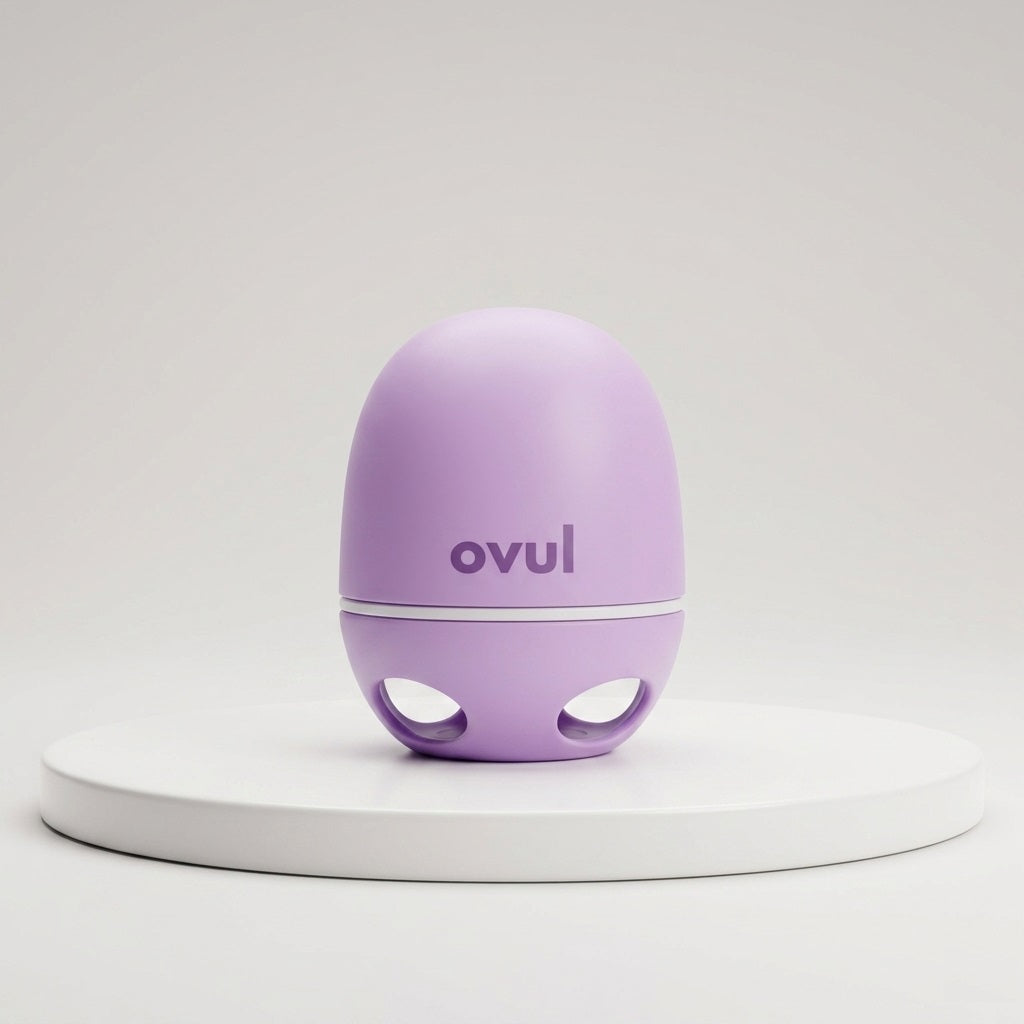
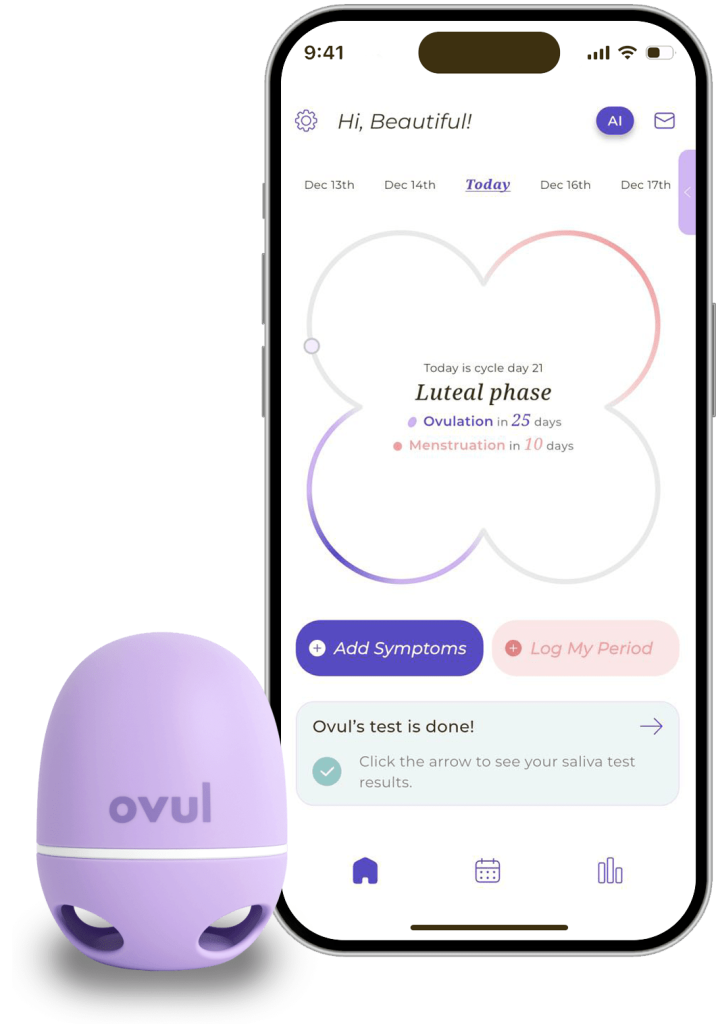
The same physiological changes that affect cervical mucus can also affect saliva. Estrogen influences salt crystal patterns in dried saliva, often called ferning. This is where Ovul’s technology becomes practical.
Instead of becoming an expert in cervical mucus texture, use Ovul to monitor estrogen related changes through your saliva. Using AI powered image analysis, Ovul translates those saliva patterns into easier cycle insight, which can be especially helpful for irregular cycles, PCOS, late ovulation, or unpredictable fertile windows.
8 DPO Pregnancy Test — Too Soon or Worth a Try?
At 8 DPO, a pregnancy test is often too early because hCG only begins rising after implantation. Since implantation often happens around 8 to 10 DPO, a negative test today may simply mean your body has not reached the detectable hCG stage yet.
This is where estrogen tracking adds useful context. While hCG tests are approved for pregnancy confirmation, estrogen can help you understand the hormone activity leading into and through this window. Research shows estradiol remains important after implantation and into early pregnancy, with higher serum estradiol levels seen in normal pregnancies compared with pregnancies that ended in miscarriage.
And that matters most when symptoms disappear completely, which we will discuss next.
8 DPO and No Symptoms at All?
Don’t worry. Many people feel absolutely nothing at 8 DPO. As OB-GYN Dr. Renita White explains, “Some people don’t have pregnancy symptoms by 8 DPO because hormone levels are not yet high enough in the bloodstream.” Everyone’s timeline differs — some feel early changes within days; others only after a missed period.
Estrogen Ovulation Test at Home
TRY OVUL TODAY
Summary Table — 8 DPO Symptoms and Meaning
| Symptom | Typical Cause | Pregnancy Possible? |
| Cramping / Back Pain | Implantation or progesterone | ✔️ Possible |
| Spotting | Implantation bleeding | ✔️ Possible |
| White Discharge | Progesterone surge | ✔️ Common |
| Breast Tenderness | Blood flow increase | ✔️ Common |
| Nausea / Indigestion | Hormonal change | ✔️ Possible |
| Headache / Dizziness | Estrogen shift / Low blood sugar | ✔️ Possible |
| Fatigue | High progesterone | ✔️ Very Common |
| Mood Swings | Hormonal fluctuations | ✔️ Possible |
| Frequent Urination | Kidney blood flow increase | ✔️ Early Sign |
Tracking Your Cycle with Smart Technology
Understanding your body’s rhythm makes this journey easier. OVUL.AI — an AI-powered saliva fertility monitor — tracks estrogen patterns and predicts ovulation or fertile days with lab-level precision.
Its saliva ovulation test offers a non-invasive way to follow hormonal changes, helping you recognize when implantation and conception are most likely — and reducing the uncertainty of the two-week wait.

Learn How OVUL is Changing the Game.
Key Takeaways
- Implantation usually happens 6–10 DPO, often around 8 DPO.
- Early pregnancy signs like cramping, spotting, or creamy discharge may appear now, but many are identical to PMS.
- Pregnancy tests work by detecting hCG, which rises only after implantation — testing before 10–12 DPO often gives false negatives.
- No symptoms ≠ no pregnancy; everyone’s hormonal timeline is unique.
- Use cycle-tracking tools like OVUL.AI to better understand hormonal changes and time your tests accurately.
Final Thought
At 8 DPO, your body may be quietly preparing for new life — or gearing up for another menstrual cycle. Whether you feel cramps, fatigue, or nothing at all, remember that clarity is only days away. Be patient, kind to yourself, and trust your body’s signals.
References
- Cleveland Clinic. “Implantation Bleeding: Causes, Symptoms & What to Expect.” Cleveland Clinic Health Library.
- Wilcox AJ, et al. “Time of implantation of the conceptus and loss of pregnancy.” PubMed.
- American Pregnancy Association. “What Is Implantation Bleeding?”
- Cleveland Clinic. “Human Chorionic Gonadotropin (hCG): Purpose & Levels.” Cleveland Clinic Health Library.
- MedicalNewsToday. “How long does implantation bleeding last? Symptoms and treatment.”
- A review article: Aplin J., “A Review of Mechanisms of Implantation.” PMC.