Understanding 10 Days Past Ovulation
The term days past ovulation describes how many days have passed since an ovary released a mature egg. If fertilization occurred within 12–24 hours, the resulting embryo has already completed its journey through the fallopian tube and likely reached the uterus.
By the tenth day, implantation — the attachment of the embryo to the uterine lining — may be finishing or just beginning. Implantation typically happens between the 8th and 10th day after ovulation, although in some women it occurs as late as day 12. Once the blastocyst embeds in the endometrium, specialized cells start producing human chorionic gonadotropin (hCG), a hormone that sustains the corpus luteum and keeps progesterone levels high.
The Hormonal Landscape
At 10 DPO, progesterone remains the dominant hormone. It stabilizes the uterine lining, raises basal body temperature, and can influence digestion, energy, and mood. Estrogen is beginning to rise again, promoting blood flow to the uterus and breasts.
If implantation has already occurred, hCG levels are still modest — usually between 5 and 25 mIU/mL. These concentrations may trigger a faint line on a very sensitive test but are often below detection thresholds. If implantation happens later, hCG will not yet be measurable.

Physical Changes and Possible Sensations
Each woman’s luteal-phase experience is unique. Some notice many subtle sensations; others feel completely normal. Both are physiologically typical.
Abdominal Cramping
Mild abdominal twinges are common around this time. They may arise from uterine adjustment to progesterone or from the early implantation process. Cramps related to implantation are lighter than menstrual pain and usually short-lived. Gentle stretching, hydration, and adequate rest can ease the discomfort.
Spotting and Implantation Bleeding
If light pink or brown discharge appears around the tenth day, it could be implantation bleeding — a trace of blood released as the embryo embeds itself into the uterine lining. It is usually minimal, lasting less than two days. Heavy or bright-red bleeding, however, is more consistent with an impending period.
Breast Tenderness
Hormonal shifts increase blood flow and fluid retention in breast tissue, making breasts feel heavy, sore, or tingly. The areolae may darken slightly as melanin levels respond to estrogen and progesterone. These changes can occur in early pregnancy or as part of premenstrual preparation.
Fatigue
Hormonal changes, combined with metabolic adjustments, can lead to marked tiredness. If you’ve been feeling unusually exhausted, engage in calming activities, stay hydrated, and keep a consistent sleep routine. Gentle exercise and prenatal vitamins can also help restore energy.
Cervical Mucus
The consistency of cervical mucus offers clues to what’s happening hormonally. Around 10 DPO, it often becomes creamy, thick, and white — known as leukorrhea. This discharge is odorless and harmless, caused by estrogen and increased blood flow to the vaginal tissues. If pregnancy has begun, it may increase gradually in the coming days.
Bloating and Digestive Slowness
Progesterone relaxes smooth muscle, slowing intestinal transit. Gas can become trapped, causing bloating or mild abdominal distension. Small, frequent meals and adequate hydration help relieve these effects.
Nausea and Heightened Sense of Smell
Some women notice early waves of nausea or food aversions. Progesterone and rising estrogen alter gastric sensitivity and intensify smell perception. Everyday scents such as perfume, coffee, or cleaning products may suddenly seem overwhelming.
Loss of Appetite
Bloating, nausea, and fatigue often combine to reduce appetite. This is temporary and tends to normalize once hormonal levels stabilize.
Headaches and Backache
Fluctuating estrogen and progesterone can constrict or dilate blood vessels, causing mild headaches. Some women also feel lower-back tension because progesterone softens ligaments and joints. Rest, warm compresses, and good posture may bring relief.

Ovulation or Implantation Cramps? Here’s What Your Body is Really Telling You
Testing for Pregnancy at 10 DPO
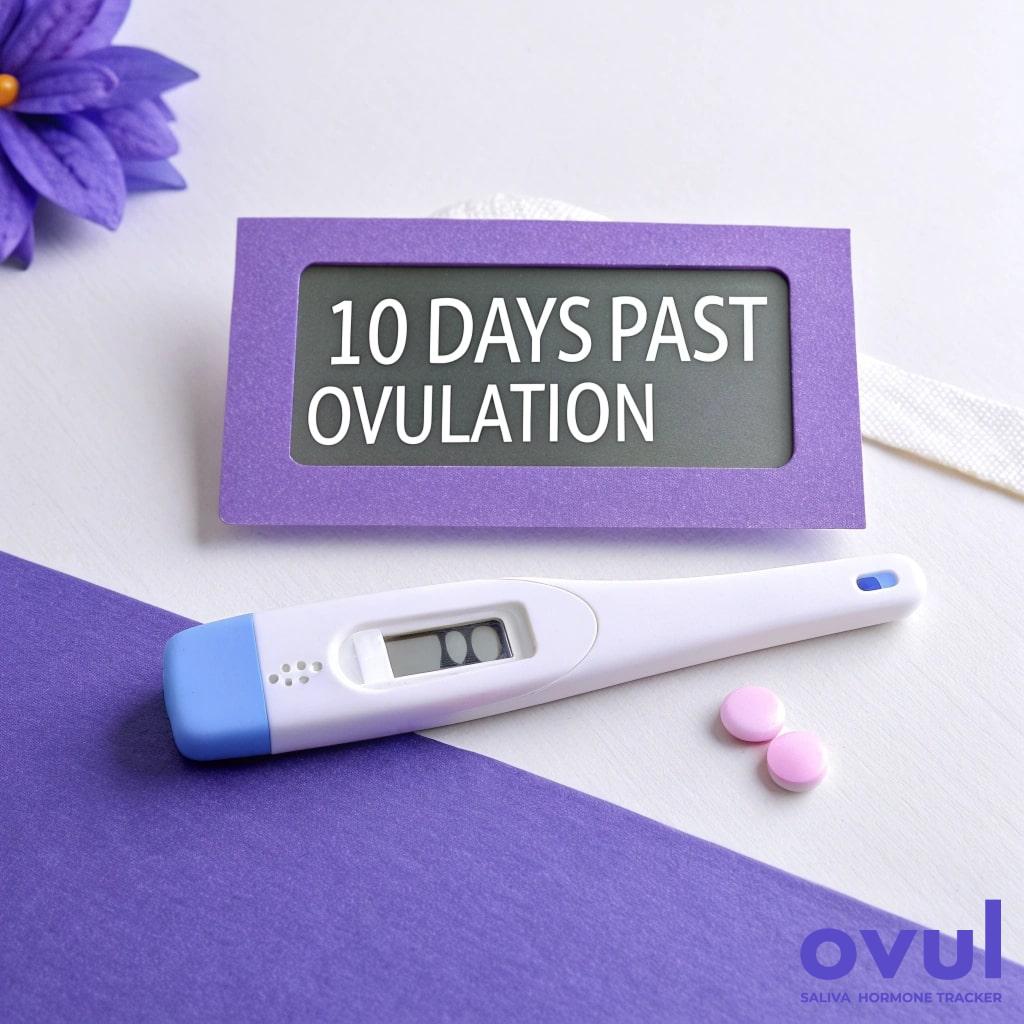
If menstruation doesn’t start when expected, retest after two or three days. In a regular 28-day cycle, 14 DPO corresponds to the day your period is due. Waiting until then prevents unnecessary stress and false negatives.
Those with longer or irregular cycles should count at least 14 days from their predicted ovulation before testing again.
If the Test Is Negative
A negative result at 10 DPO does not necessarily mean the cycle failed. hCG rises at different speeds in different pregnancies. Late implantation can delay detection by several days. If your period still hasn’t appeared by 14 DPO, repeat the test.
In rare cases, very high hCG levels — such as with twin pregnancies — can temporarily overwhelm the testing reagent, producing faint or inconsistent lines. If results seem confusing, a quantitative blood test is the most accurate method.
Emotional Side of the Wait
The two-week wait can feel unusually long. Many people analyze every twinge, sensation, or emotional swing for signs of pregnancy. It’s worth remembering that progesterone itself can mimic many “early pregnancy symptoms.” Grounding activities, balanced meals, and rest are the best supports during this emotionally charged window.
How Ovul Technology Helps
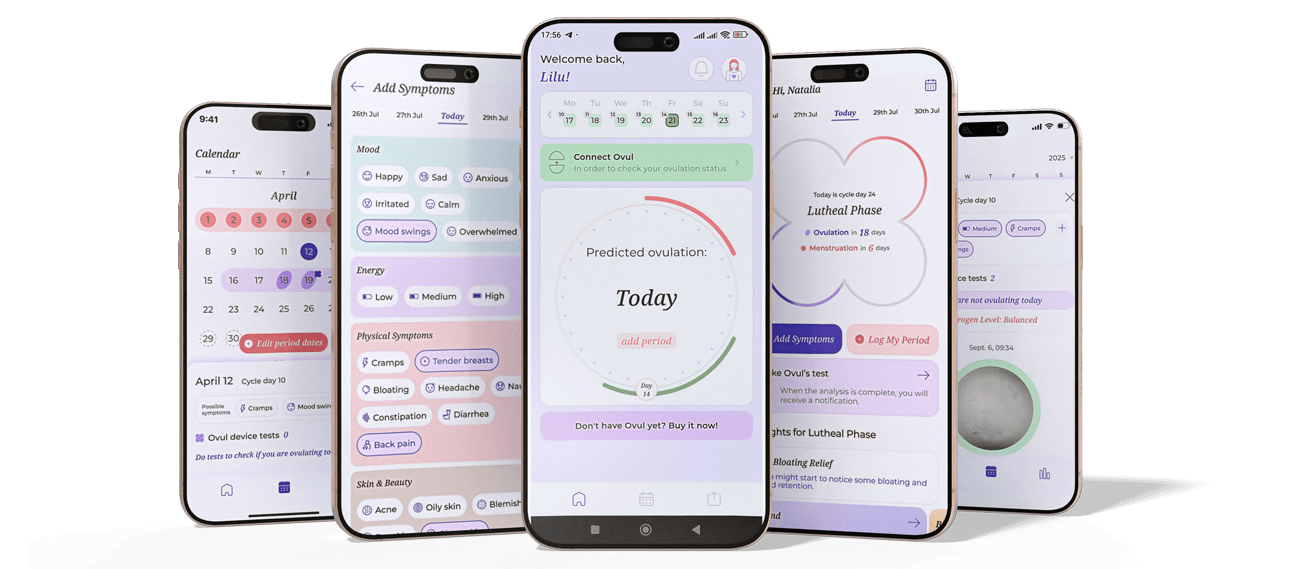
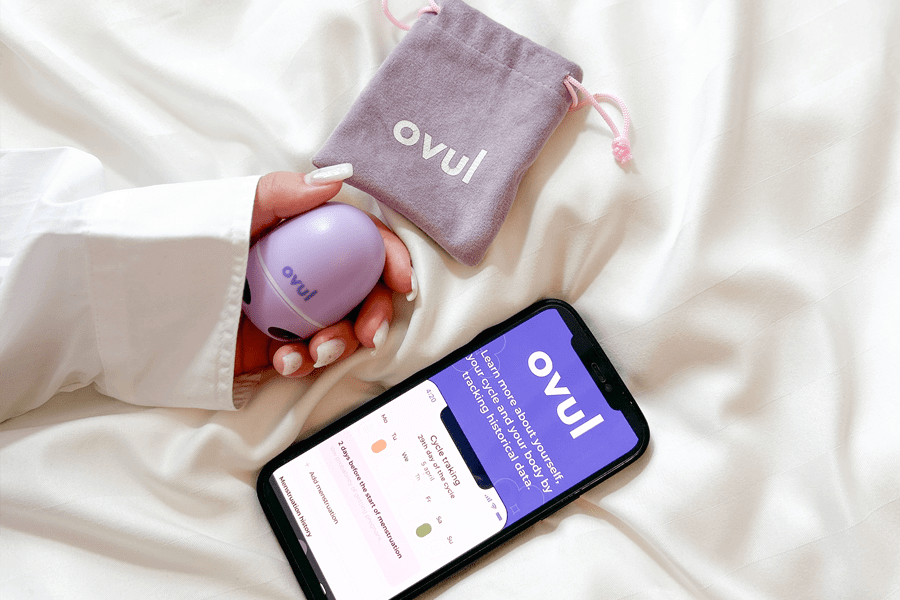
Understanding your body’s timing can make this phase far less uncertain. Smart fertility devices such as the Ovul Hormone and Ovulation Tracker use artificial intelligence to analyze estrogen fluctuations in saliva and accurately pinpoint ovulation. By tracking hormonal curves rather than just calendar days, they help you interpret results like 10 DPO with far greater precision.
The Ovul Digital Ovulation Test further personalizes cycle monitoring by learning your unique patterns, allowing you to test only when meaningful — saving both time and stress.
Key Insights
- Ten days after ovulation marks the late implantation window and early hormonal awakening of pregnancy.
- Mild cramps, bloating, breast tenderness, or creamy discharge are common but not diagnostic.
- The absence of symptoms is completely normal at this stage.
- Home pregnancy tests may still yield false negatives; blood tests remain the gold standard.
- Reliable testing generally begins from 12 to 14 DPO.
- Intelligent hormone-tracking tools like Ovul can identify your fertile window and predict optimal testing days with clinical-level precision.
References
- https://pubmed.ncbi.nlm.nih.gov/10362823/
- https://www.medicalnewstoday.com/articles/322723
- https://femia.health/health-library/getting-pregnant/trying-to-conceive/10-dpo/